Goldfish Care Guide: Tank Size, Feeding and Common Mistakes
Goldfish Care Guide: Tank Size, Feeding and Common Mistakes
How much space goldfish really need, what to feed them, the water they like and the common mistakes that cut their 10 to 15 year lifespan short.
By Fish Explain Editorial TeamUpdated November 20, 20267 min read
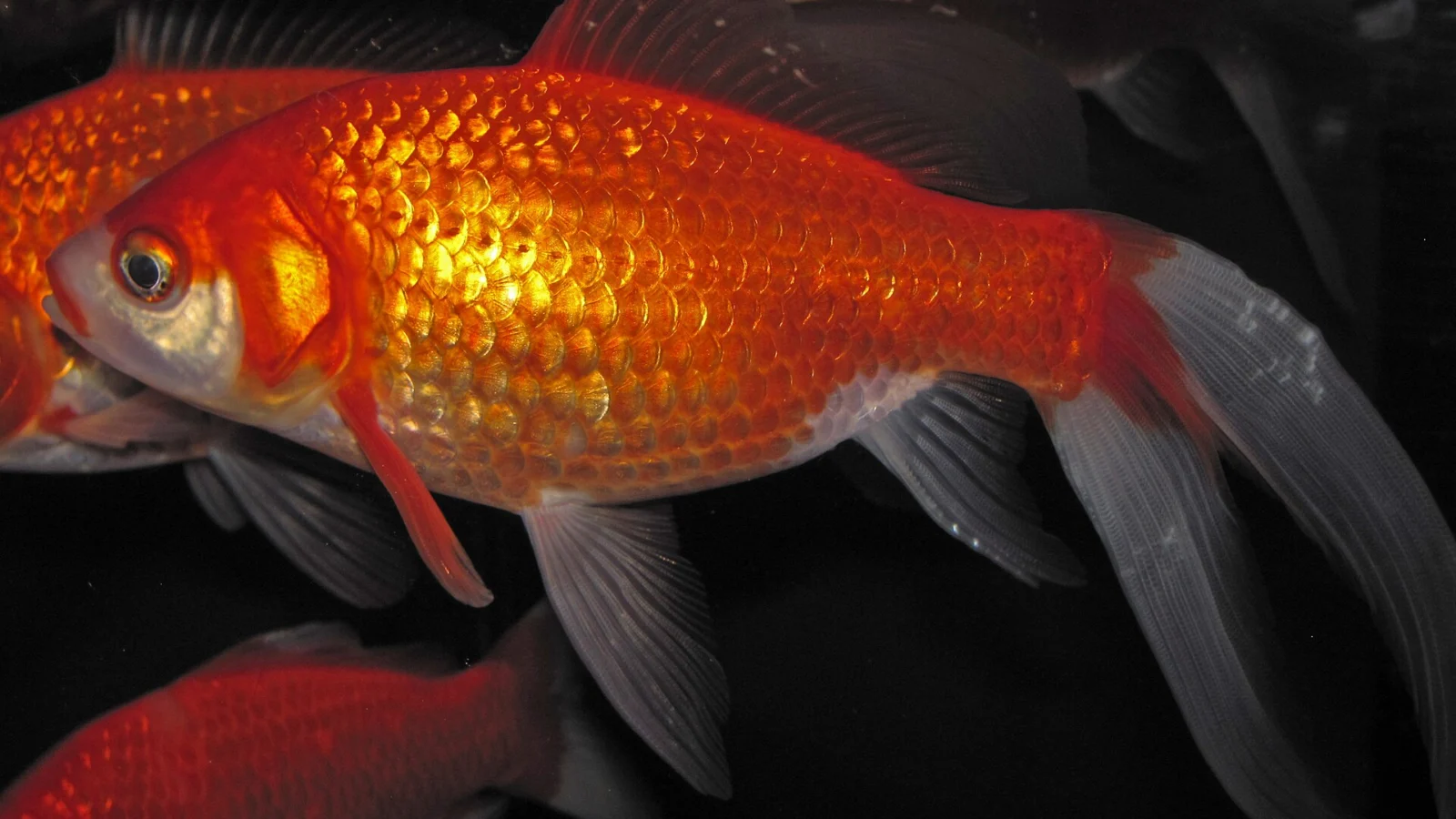
Photo: James St. John (CC BY 2.0), via Wikimedia Commons (cropped)
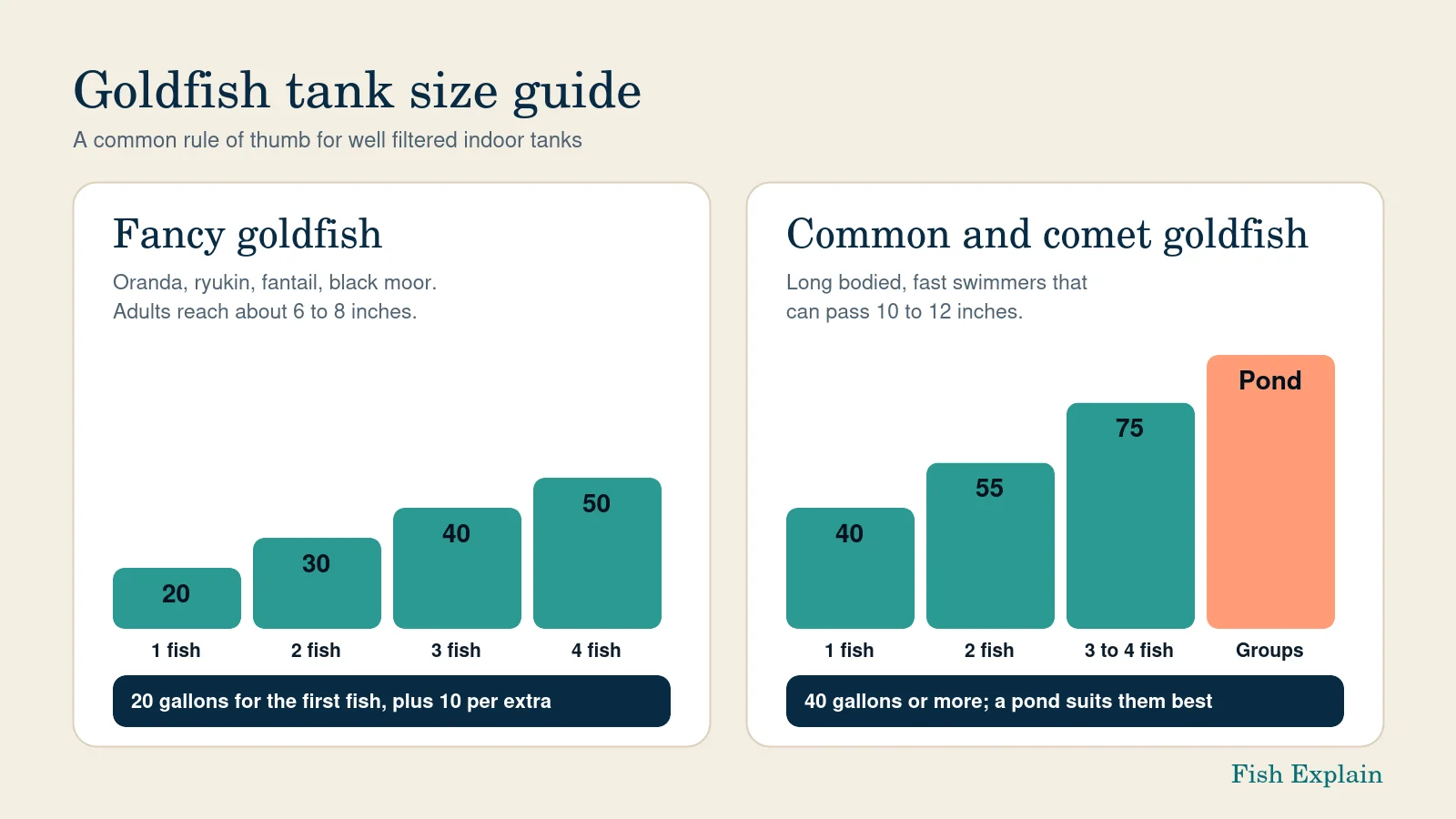
Goldfish care starts with space: about 20 gallons for one fancy goldfish plus 10 per extra fish, and 40 gallons or more for common goldfish. Keep the water around 65 to 75 °F with strong filtration, feed sinking pellets in small amounts, and change 25 to 30 percent of the water weekly.
On this page
- Goldfish Care Basics
- Goldfish Tank Size: How Much Space They Need
- Water Temperature and Quality for Goldfish
- What to Feed Goldfish
- Goldfish Tank Mates and Decor
- How to Choose and Bring Home Healthy Goldfish
- Can Goldfish Live in an Outdoor Pond?
- Common Goldfish Care Mistakes
- A Simple Goldfish Care Routine
- Goldfish Care FAQs
- Final Thoughts
Goldfish Care Basics
Goldfish care is simple once you know that goldfish are large, long lived coldwater fish, not small starter pets. A healthy goldfish can live 10 to 15 years, and sometimes close to 20, according to PetMD’s goldfish care guide. The fish that dies in a bowl after a few months usually fails because of its home, not its nature.
Goldfish (Carassius auratus) were bred from wild carp in China more than a thousand years ago, and they share a long history with koi. You can read about that background in our guide to koi fish meaning and symbolism.
Common versus fancy goldfish
There are two main groups. Single tailed goldfish, such as common, comet and shubunkin goldfish, have long, streamlined bodies and are fast swimmers that can pass 10 to 12 inches. Fancy goldfish, such as orandas, ryukins, fantails, black moors and ranchus, have round bodies and double tails, swim more slowly and usually reach about 6 to 8 inches.
Why goldfish are coldwater fish
Goldfish do best at room temperature and do not need a heater in most homes. They fit in a different group from tropical fish, which is why they appear on our list of coldwater aquarium fish.
Goldfish Tank Size: How Much Space They Need
Tank size is the part of goldfish care that most new owners get wrong. Goldfish grow large and produce a lot of waste, so a small tank quickly fills with ammonia.
| Goldfish type | First fish | Each extra fish | Example |
|---|---|---|---|
| Fancy goldfish | 20 gallons | Add about 10 gallons | 2 fancies in 30 gallons |
| Common, comet, shubunkin | 40 gallons or more | Add about 10 to 15 gallons | 3 to 4 commons in 75 gallons, or a pond |
These numbers are a widely used rule of thumb, not a hard law. Strong filtration and frequent water changes matter as much as gallons.
Why bowls do not work
A goldfish bowl holds too little water to dilute waste, has a small surface for oxygen exchange and has no room for a proper filter. Fish kept in bowls often suffer ammonia burns, stunted growth and a short life.
Long tanks beat tall tanks
Choose a tank with plenty of length and surface area. Common goldfish in particular need room to swim, and many owners eventually move them to a pond. Our guide to large fish tanks covers 55 to 125 gallon setups and the stands they need.
Water Temperature and Quality for Goldfish
| Parameter | Target |
|---|---|
| Temperature | About 65 to 75 °F; fancy goldfish like the warmer end |
| pH | 7.0 to 8.4 |
| Ammonia and nitrite | 0 ppm |
| Nitrate | Under 20 to 40 ppm |
Filtration
Goldfish need strong filtration. Many keepers choose a filter rated for a tank larger than the one they own, or run two filters. Gentle output is better for fancy goldfish, which are poor swimmers.
Cycle the tank before adding goldfish
Beneficial bacteria must be established before goldfish arrive, or ammonia will build up within days. Follow our guide on how to cycle a fish tank, and learn the warning signs in our article on ammonia in a fish tank.
Water changes
Change about 25 to 30 percent of the water every week with dechlorinated tap water at a similar temperature. Heavily stocked tanks may need two changes a week. Test nitrate to see whether your schedule keeps up.
What to Feed Goldfish
Goldfish are omnivores that will eat almost anything, which makes overfeeding easy. For a wider look at fish diets, see our guide on what fish eat.
A healthy goldfish diet
- Staple: sinking goldfish pellets, which reduce the air gulping linked to floating flakes
- Treats: frozen or live brine shrimp, daphnia and bloodworms a few times a week
- Greens: blanched peas without the skin, spinach or zucchini, which also aid digestion
How much and how often
Feed adult goldfish once or twice a day, giving only what they finish in about one to two minutes. Young goldfish can have small meals more often. Remove leftovers so they do not foul the water.
Swim bladder problems
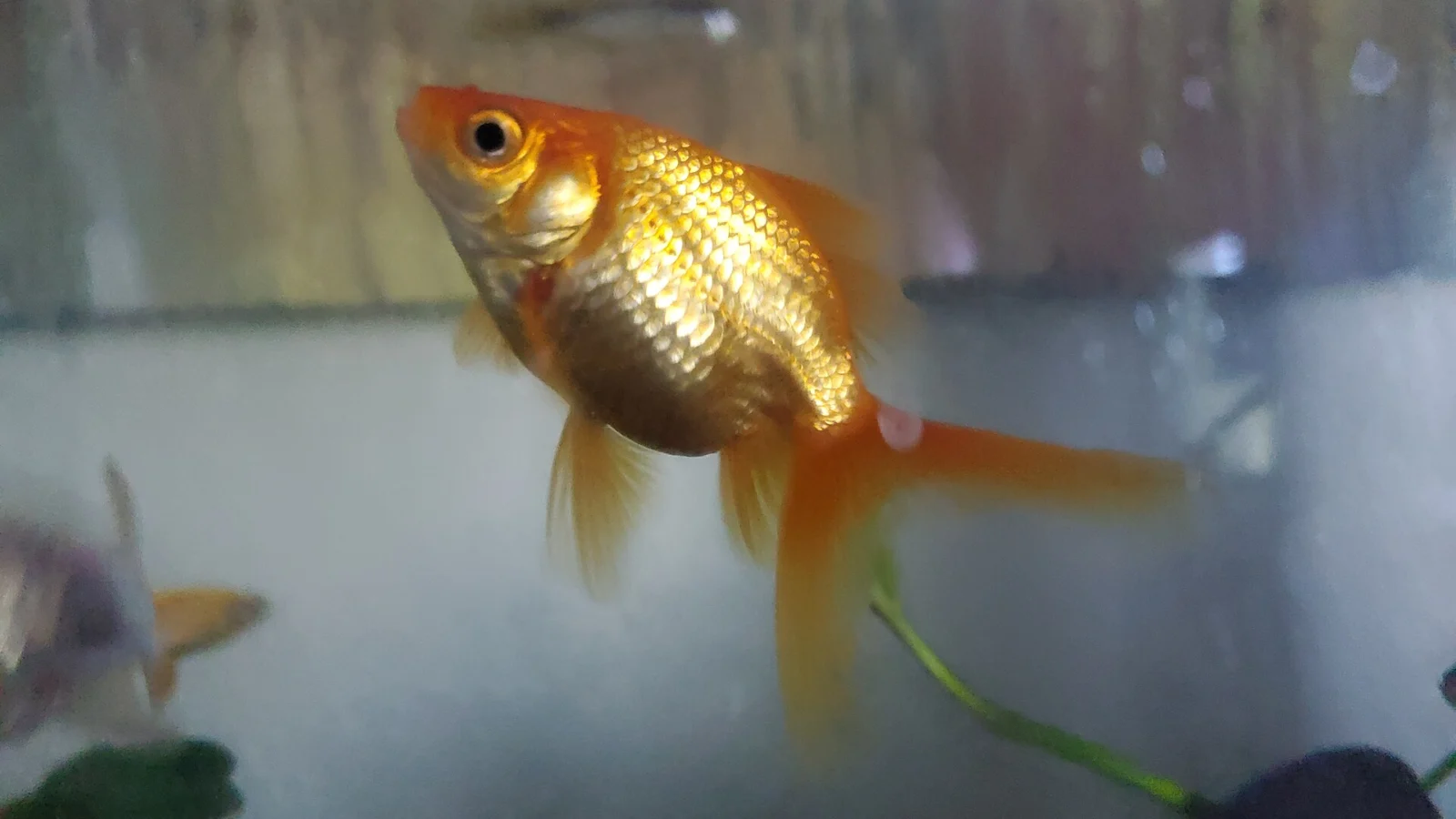
Fancy goldfish with round bodies are prone to floating or sinking problems after large meals. Soaking pellets before feeding, offering peas and feeding smaller portions often helps.
Goldfish Tank Mates and Decor
Best tank mates
The safest tank mates for goldfish are other goldfish of a similar type. Keep fancy goldfish with fancy goldfish, and single tailed goldfish with single tailed goldfish, because fast commons outcompete slow fancies for food.
Fish to avoid
Avoid small fish that goldfish can swallow, tropical fish that need warm water, and fin nippers that pick at long fins. Plecos sold as algae cleaners can latch onto the slime coat of slow goldfish.
Plants and decorations
Goldfish dig and graze, so they often uproot or eat soft plants. Hardy plants such as anubias and java fern attached to rocks or wood usually survive. Choose smooth decor with no sharp edges, especially for fancy goldfish with delicate eyes and fins, such as bubble eyes and telescope eyes.
How to Choose and Bring Home Healthy Goldfish
Good goldfish care starts before the fish reaches your tank. A strong, healthy fish settles in faster and is far less likely to bring disease with it.
Signs of a healthy goldfish
- Fins held open, with no ragged edges, red streaks or white spots
- Steady swimming with no listing, floating or sinking
- Clear eyes and a smooth body with no missing scales or fuzzy patches
- Interest in food when the store feeds the tank
Look at every fish in the display tank, not only the one you want. If several fish look sick or there are dead fish in the tank, buy elsewhere.
Feeder goldfish
Small comets sold as feeders are the same species as pet goldfish, but they are often kept crowded and stressed. They can make lovely pets with time, but they will grow into large single tailed goldfish that need a big tank or a pond.
Acclimation and quarantine
Float the bag to match temperature, then mix in tank water slowly over 15 to 30 minutes before netting the fish into the tank. If you already keep goldfish, a separate quarantine tank for two to four weeks helps stop disease from spreading. Our guide on how to acclimate fish walks through each method.
Can Goldfish Live in an Outdoor Pond?
Ponds suit single tailed goldfish
Common, comet and shubunkin goldfish do very well in a filtered garden pond with enough depth to stay cool in summer and avoid freezing solid in winter. Fancy goldfish are slower and more delicate, so they are better kept indoors in most climates.
Seasonal care
In ponds, goldfish slow down as the water cools in fall. Feed less as temperatures drop, and stop feeding in cold winter water when fish become inactive. Keep a small hole open in any ice so gases can escape.
Common Goldfish Care Mistakes
Mistakes that shorten lifespan
- Keeping goldfish in a bowl or a small tank
- Adding fish to an uncycled tank
- Overfeeding and skipping water changes
- Mixing goldfish with tropical fish in warm water
- Buying too many goldfish for the tank size
Signs of a sick goldfish
Watch for clamped fins, gasping at the surface, red streaks in the fins, white spots, fuzzy patches or a fish that floats or sinks and cannot right itself. Most of these problems start with poor water quality, so test the water first. Our guide to common fish diseases explains treatment options.
A Simple Goldfish Care Routine
Daily
Feed once or twice, watch each fish swim and eat, and check that the filter is running.
Weekly
Change 25 to 30 percent of the water, vacuum the gravel or sand, and test ammonia, nitrite and nitrate.
Monthly
Rinse the filter sponge in old tank water, trim plants and check that the tank is still big enough as the fish grow.
Goldfish Care FAQs
How big of a tank does a goldfish need?
A common rule is 20 gallons for one fancy goldfish plus about 10 gallons for each extra fish. Common and comet goldfish need 40 gallons or more, and a pond suits them best.
Do goldfish need a heater?
Usually not. Goldfish are coldwater fish that do well at about 65 to 75 °F, which matches room temperature in most homes. A heater only helps in very cold rooms.
How long do goldfish live?
With good care, goldfish often live 10 to 15 years, and some reach about 20. Poor water and small tanks are the main reasons they die young.
How often should I feed my goldfish?
Feed adult goldfish once or twice a day, only what they eat in one to two minutes. Sinking pellets with occasional peas and frozen foods make a balanced diet.
Can goldfish live in a bowl?
A bowl is not a suitable long term home. It is too small to keep ammonia and oxygen at safe levels, so goldfish in bowls rarely reach their natural lifespan.
Final Thoughts
Space and clean water come first
Good goldfish care rests on a few habits: a large, cycled tank with strong filtration, cool and stable water, sinking pellets in small portions and weekly water changes. Give a goldfish those basics and it can be a companion for well over a decade. For more species guides, browse our aquarium fish guides.
Keep exploring
More fish guides

Keep exploring
 Aquarium Fish
Cherry Shrimp Care: Tank Setup, Water Parameters and Breeding
Cherry shrimp care made easy: tank setup, ideal water parameters, feeding, molting, breeding and safe tank mates for a thriving colony.
 Aquarium Fish
Cheap Freshwater Fish: 15 Hardy Species That Cost Under $5
Cheap freshwater fish that stay hardy: 15 species under $5, with sizes, tank needs and a sample budget stocking plan for a…
 Aquarium Fish
Types of Freshwater Fish: 40 Species by Family, With Facts
Types of freshwater fish explained: 40 species across trout, bass, catfish, carp, cichlid, perch and more, with quick facts and where each…