Betta fish behavior before death usually includes lethargy, refusing food, faded color and long periods lying on the bottom or hanging near the surface. Many of these signs also appear with fixable problems, so test the water first. A well-kept betta lives three to five years, and fast action on water quality gives a sick fish its best chance.
Betta Fish Behavior Before Death: What To Watch For
Betta splendens is a tough labyrinth fish, yet it hides illness well until a problem is advanced. By the time behavior changes clearly, the fish has often been stressed for days. Fast action gives it the best chance.
This guide explains the warning signs, separates old age from disease and poor water, and lists the steps you can still take. It also covers comfort care, humane euthanasia and how to prepare a tank before a new fish arrives.
How Long Do Betta Fish Live?
A well-kept betta typically lives three to five years in captivity. Pet store bettas are often already six months to a year old when sold, so a fish bought as an adult may reach old age sooner than expected.
Lifespan depends heavily on care. A heated, filtered tank of at least 5 gallons, stable water quality and a varied, high-protein diet all extend life. Small unheated bowls shorten it, because cold, dirty water stresses the immune system.
Genetics matter too. Long-finned show types such as halfmoons carry heavy fins that tire them as they age. Shorter-finned plakats are often more active for longer, although every individual fish ages at its own pace.
Early Warning Signs A Betta Is Unwell
The earliest signs are often small changes in routine. A betta that normally rushes to the glass at feeding time may ignore food, swim slowly or rest on plants and decorations far more than usual.
Clamped fins are another early clue. Healthy bettas spread their fins wide, while a stressed fish holds them folded tight against the body. Dull color and horizontal stress stripes along the side often appear at the same time.
Keep a simple log of appetite, activity and water test results. Writing down small changes helps you spot a trend early, and it gives an aquatic veterinarian useful information if you need professional help later.
Lethargy And Lying On The Bottom
Bettas rest often, and many sleep on leaves near the surface or on the substrate. That alone is normal. The concern is a fish that stays motionless for most of the day and barely reacts when you approach the tank.
Persistent lethargy can come from low temperature, poor water quality, internal infection or simple old age. A heater failure is one of the most common causes, so check that the tank sits between 78°F and 80°F.
A fish that lies on its side, struggles to stay upright or sinks after every swimming attempt is in serious trouble. That behavior often points to swim bladder failure, severe organ disease or the final stages of life.
Loss Of Appetite
A healthy betta eats eagerly. Refusing food for a day or two is not always serious, especially after a water change, a tank move or a fasting day. However, refusal for longer than three days needs attention.
Spitting food out repeatedly can mean the pellets are too large or too hard. It can also signal mouth injury or internal illness. Try soaking pellets briefly or offering a thawed frozen food such as brine shrimp or bloodworms.
Older bettas often eat less and more slowly. Feed small portions, remove uneaten food after a few minutes and keep the water clean. Leftover food quickly raises ammonia, which adds stress to an already weak fish.
Color Loss And Stress Stripes
Fading color is common in older bettas, as pigment cells weaken with age. A gradual graying over months is usually part of aging. A sudden fade over a few days points instead to stress, illness or poor water conditions.
Stress stripes are pale horizontal bands along the body. They appear when a fish is frightened, cold, sick or living in bad water. In female bettas, vertical bars can signal readiness to breed, which is a different signal entirely.
Some bettas also change color naturally because of marble genes, which make patterns shift through life. If your fish is otherwise active and eating, a marble color change is not a warning sign of approaching death.
Gasping And Rapid Breathing
Bettas use a labyrinth organ to gulp air at the surface, so occasional trips up are normal. Constant gasping, fast gill movement or a fish that hangs at the surface with its mouth open signals a serious problem.
Ammonia and nitrite poisoning are common causes, because they damage gills and reduce oxygen uptake. Gill flukes, bacterial gill disease and high water temperature can create the same labored breathing pattern in a stressed fish.
Test the water immediately with a liquid test kit. If ammonia or nitrite reads above zero, carry out a partial water change straight away with dechlorinated water matched closely to the tank temperature.
Pineconing, Bloating And A Sunken Belly
Pineconing means the scales stick out from the body like a pinecone when viewed from above. It is the classic sign of dropsy, which is fluid build-up caused by organ failure, often linked to bacterial infection. The outlook is usually poor.
Simple bloating without raised scales is more common and often comes from overfeeding or constipation. A day or two of fasting, followed by smaller meals, frequently fixes it. Bloating that lasts for a week or more needs closer attention.
A sunken or hollow belly is the opposite problem. It can follow long-term underfeeding, internal parasites or a fish that has stopped eating near the end of its life. Weight loss with normal appetite suggests parasites.
Fin Damage, Sores And Cloudy Eyes
Ragged, shrinking fins with dark or white edges are signs of fin rot, a bacterial infection linked to poor water. Caught early, fin rot responds well to clean water. If it reaches the body, it becomes life-threatening.
White cotton-like patches suggest fungus, while red streaks or open sores point to bacterial infection. Tiny white dots that look like salt grains are ich, a parasite that spreads quickly in cool water and weak fish.
Cloudy or bulging eyes, called popeye, often come from bacterial infection or injury. One cloudy eye after a bump against decor may heal. Both eyes bulging together usually signals a deeper, systemic illness.
Old Age Vs Illness Vs Water Problems
Telling these apart helps you decide what to do. Use the table below as a quick guide, then confirm with a water test, because poor water causes or worsens almost every problem on this list.
| Sign | Old Age | Illness | Water Problem |
|---|---|---|---|
| Speed of change | Slow, over weeks or months | Days to a week | Hours to days |
| Color | Gradual fading | Patches, sores or sudden fade | Dull with stress stripes |
| Fins | Thinner, droopy | Ragged, rotting or clamped | Clamped |
| Appetite | Smaller, slower meals | Often stops eating | Reduced or refused |
| Breathing | Usually normal | Can be labored | Gasping at the surface |
| Body | Slight curve in the spine | Pineconing, bloating or lumps | Usually normal shape |
| Best response | Comfort care | Isolate, treat, ask a vet | Water change and testing |
Old bettas often develop a slight hunch, thinner fins and a slower swimming style. They still eat, explore and respond to you, just less often. That gentle decline is very different from a sudden crash.
If several fish in the same tank show signs at once, think water first. Illness spreads, but poisoned water affects everyone at the same moment. A single fish with sores, lumps or pineconing is more likely sick.
What You Can Still Do Right Now
Start with the water, because it is the one thing you can fix today. Test ammonia, nitrite, nitrate and pH. Ammonia and nitrite should both read zero, and nitrate should stay below about 20 ppm.

Next, change 25 to 50 percent of the water using a dechlorinator, matching the new water closely to the tank temperature. Check the heater and keep the tank steady at 78°F to 80°F, since cold water slows healing.
Then, reduce stress. Lower the water level slightly so a weak fish can reach the surface easily, add a floating leaf hammock and dim the lights. Remove aggressive tank mates and any sharp decorations that could tear fins.
Setting Up A Hospital Tank
A small hospital tank lets you treat one fish without harming plants, snails or beneficial bacteria in the main aquarium. A 2.5 to 5 gallon tank with a heater, a gentle sponge filter and a hiding spot works well.
Fill it with water from the main tank so the fish does not face a sudden change. Keep the hospital tank bare-bottomed, which makes cleaning easier and lets you watch droppings and uneaten food closely.
Change a portion of the water daily while treating. Medications can remove oxygen from the water and harm filter bacteria, so follow the label exactly and do not mix treatments unless a vet advises it.
When To Call An Aquatic Vet
Many people do not realize vets treat fish, but aquatic veterinarians exist and some offer remote consultations. The World Aquatic Veterinary Medical Association keeps a directory you can search.
Contact a vet if your betta shows pineconing, bulging eyes, ulcers or lumps, or if it stops eating for more than a week. A vet can take skin scrapes, prescribe antibiotics and advise on dosing for a small fish.
Bring your recent water test results, photos and a short video of the swimming behavior. That information saves time and helps the vet judge whether treatment is realistic or whether comfort care is kinder.
Comfort Care For An Old Or Dying Betta
When a betta is simply old, the goal shifts from cure to comfort. Keep the water warm and spotless, the current gentle and the lights soft. Small, frequent meals of easy foods help a fish with a weak appetite.
Lower the water level to about 6 to 8 inches so the fish can reach air without effort. Place resting spots near the surface, such as a betta hammock, floating plants or broad-leaved silk plants that will not tear fins.
Avoid moving the fish more than necessary, since netting and handling add stress. Many owners find that a calm, quiet tank lets an elderly betta keep eating and exploring for weeks or even months longer.
Humane Euthanasia When Suffering Cannot Be Relieved
Sometimes the kindest choice is a peaceful end. If a betta cannot stay upright, has advanced dropsy or has stopped eating entirely with no response to treatment, talk to an aquatic vet about humane euthanasia.
Vets typically use an overdose of a fish anesthetic, and clove oil is a method some owners use under veterinary guidance. Ask for advice on dosage, because an incorrect amount can cause distress rather than a peaceful passing.
Never flush a living fish, freeze it alive or leave it out of water. These methods cause pain and are considered inhumane. Flushing also risks releasing disease into local waterways.
How To Tell If A Betta Has Died
A resting betta can look lifeless, so check carefully. Watch the gills for at least a minute. A living fish moves its gill covers, even slowly, and usually responds when you gently touch the water near it.
A fish that has died shows no gill movement, does not react to a gentle touch with a net and often has dull, cloudy eyes. Most dead fish sink at first and then may float later as gases build up inside.
Remove the body promptly to protect water quality. Bury it in the garden away from water sources or follow local guidance. Then, deep clean the tank before adding a new fish, especially if disease was involved.
Preventing Early Death In Your Next Betta
Most early betta deaths trace back to small tanks, cold water and ammonia. A cycled, heated tank of at least 5 gallons with a gentle filter removes most of those risks before you even bring a fish home.
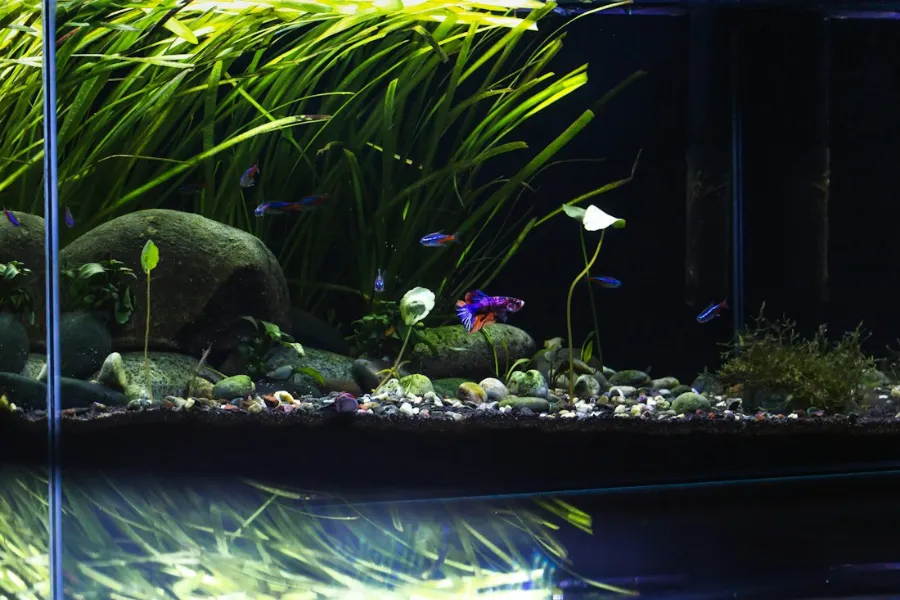
Cycle the tank for several weeks first, so beneficial bacteria can convert ammonia and nitrite into nitrate. Test weekly and change about 20 to 30 percent of the water every week to keep nitrate low.
Feed a quality insect-based pellet as the staple, with frozen foods a few times a week. Our guide to the best betta fish food ranks each type, and our feeding schedule guide covers how often to feed a betta fish.
Betta Fish Behavior Before Death FAQs
How Do I Know If My Betta Fish Is Dying?
Common signs include long periods lying on the bottom, refusing food for several days, faded color, clamped fins and labored breathing. Pineconed scales or an inability to stay upright usually signal a very serious problem.
Is My Betta Dying Or Just Sleeping?
Sleeping bettas rest calmly, often on leaves or the substrate, and wake when lights come on or food appears. A dying fish stays inactive most of the day, ignores food and may struggle to swim or breathe.
Can A Dying Betta Fish Be Saved?
Often, yes, if the cause is poor water, low temperature or an early infection. Test the water, perform a partial water change, check the heater and isolate the fish. Advanced dropsy and old age rarely respond to treatment.
Why Is My Betta Lying On Its Side?
Lying on its side usually points to swim bladder problems, severe constipation, organ failure or the final stage of life. Fasting for a day or two can help constipation. If the fish cannot right itself, contact a vet.
Do Betta Fish Lose Color Before They Die?
Many do. Older bettas fade gradually over months, while sick or stressed fish can lose color within days. Sudden fading combined with lethargy and appetite loss is a stronger warning sign than slow fading alone.
How Long Can A Betta Live Without Eating?
A healthy adult betta can survive about a week or longer without food, but it should not be left that long on purpose. Refusing food for more than three days is a warning sign that needs action.