Aquarium Fish Tank Buying Guide: The Short Answer
Choosing an aquarium fish tank is the first big decision in fishkeeping, and it shapes everything that follows: which fish you can keep, how stable the water stays and how much work the tank takes each week. Pick well and the rest of the hobby gets easier. Pick badly and you will fight cloudy water, sick fish and a cramped tank from day one.
This guide walks through tank sizes, shapes and materials, what equipment a home aquarium needs and where to put it. It ends with a simple checklist you can take to the store.
- Best first tank: a 20 to 40 gallon glass rectangle.
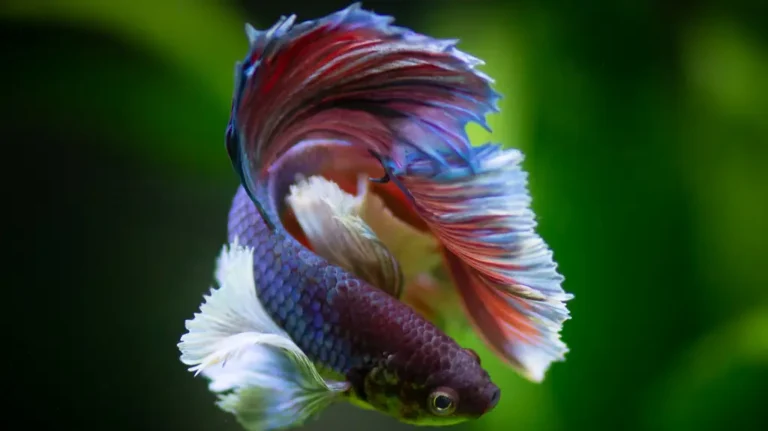
- Smallest sensible tank: 5 gallons, for a single betta or a few nano fish.
- Plan for weight: fresh water alone weighs about 8.3 pounds per gallon.
- Budget for gear: filter, heater, lid, light, test kit and water conditioner.
- Choose fish second: match the tank to the adult size of the fish you want.
Who this guide is for
This page is written for first-time buyers and for keepers moving up from a small tank. If you already know which fish you want, use the size table below to match a tank to them. If you are still deciding, our list of the best freshwater fish for fish tanks shows which species suit each tank size.
Three questions to answer first
Before you shop, answer three questions. Which fish do you want to keep? How much floor or furniture space do you have? How much time can you give to weekly water changes? The answers narrow the choice of fish tanks and aquariums down to a handful of sensible options.
Why Tank Size Matters More Than You Think
New fishkeepers often assume a small tank is easier. In practice the opposite is usually true.
Bigger tanks are more stable
Fish waste turns into ammonia, and heat, pH and oxygen all shift through the day. In a large volume of water these changes happen slowly, so you have time to spot and fix a problem. In a tiny tank one missed water change or one dead snail can poison the water within a day or two.
Match the tank to the adult fish
Many fish are sold as juveniles. A common pleco that is 3 inches long in the store can grow past a foot. Always check the adult size and activity level of a species before you buy the tank. Fast swimmers such as danios need length, while a single betta does well in a 5 gallon tank. Our guide to betta fish tank size explains why bowls fail and 5 gallons works.
Footprint beats height
The surface area of the water controls how much oxygen enters the tank, and most fish swim side to side rather than up and down. For the same number of gallons, a long, shallow tank usually holds more fish than a tall, narrow one. This is why many keepers prefer a 20 gallon long over a 20 gallon high.
Standard Fish Tank Sizes Compared
Most US glass aquarium tanks come in standard sizes, which makes it easy to find matching stands, lids and lights. Dimensions vary a little by brand, so check the box before you buy accessories.
| Tank | Approx. size (L x W x H, inches) | Water weight alone | Good for |
|---|---|---|---|
| 5 gallon | 16 x 8 x 10 | About 42 lb | One betta, shrimp |
| 10 gallon | 20 x 10 x 12 | About 83 lb | Nano fish, quarantine |
| 20 gallon long | 30 x 12 x 12 | About 167 lb | Small community, bottom dwellers |
| 29 gallon | 30 x 12 x 18 | About 242 lb | Community tank, planted tank |
| 40 gallon breeder | 36 x 18 x 16 | About 334 lb | Large community, dwarf cichlids |
| 55 gallon | 48 x 13 x 21 | About 459 lb | Angelfish, larger schools |
| 75 gallon | 48 x 18 x 21 | About 626 lb | Cichlids, big planted displays |
The best size for beginners
A 20 to 40 gallon tank is the sweet spot for most beginners. It is large enough to stay stable and hold a real community of fish, yet small enough to fit on a sturdy stand and to clean in under an hour. If you are unsure how many fish fit in one of these sizes, see our guide on how many fish in a 20 gallon tank.
Plan for the weight
According to the US Geological Survey, a gallon of fresh water weighs about 8.34 pounds. Glass, gravel, rock and the stand all add to that. A common rule of thumb is to plan for roughly 10 pounds per gallon once the tank is fully set up, so a 55 gallon aquarium can weigh well over 500 pounds.
Types of Fish Tanks
Aquarium tanks come in several shapes. Each shape suits different fish and different rooms.
Standard rectangular tanks
The classic rectangle is the most practical shape. It gives good swimming length, fits standard equipment and is the cheapest per gallon. Most people should start here.
Long and breeder tanks
Long and breeder tanks are low and wide. The extra floor space suits bottom dwellers such as corydoras, territorial fish and breeding projects. A 40 gallon breeder is one of the most popular all-round sizes in the hobby.
Tall and column tanks
Tall tanks look striking and suit tall-bodied fish such as angelfish. They have less surface area for their volume, though, and can be awkward to reach into when you clean.
Cube and nano tanks
Cubes and nano tanks of 5 to 15 gallons fit on desks and shelves. They work for shrimp, snails, a single betta or a small group of tiny fish. Because the water volume is small, they need careful stocking and regular water changes. See our list of best nano fish for small tanks for species that fit.
Rimless tanks
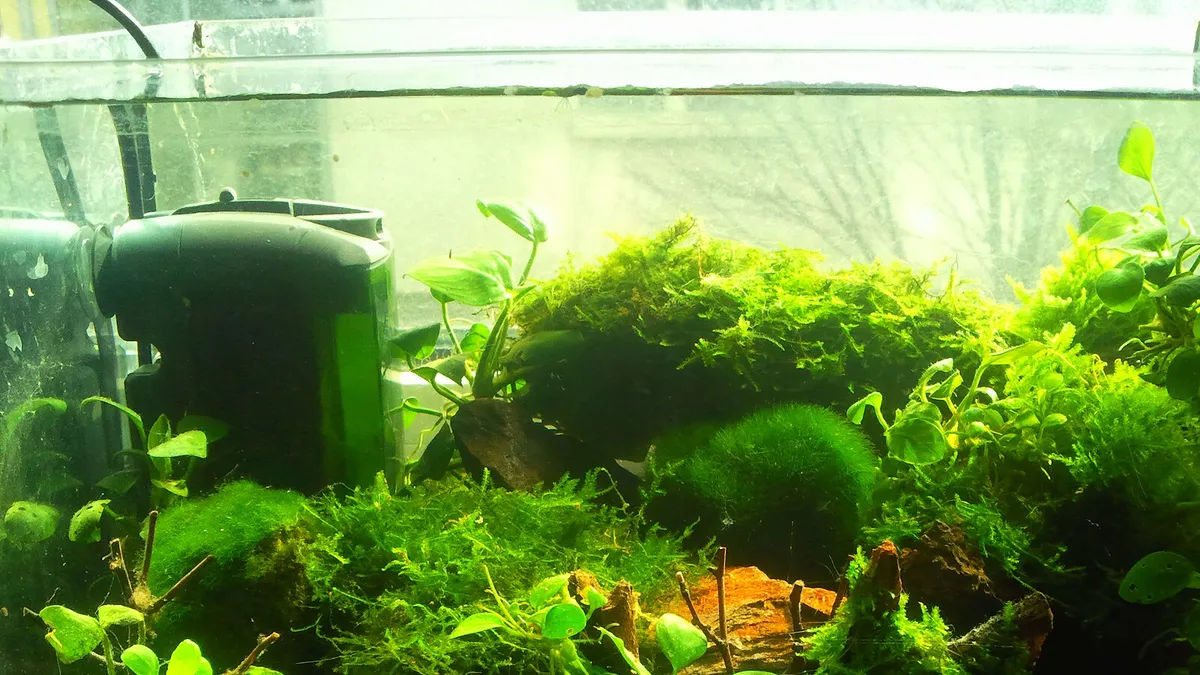
Rimless tanks have no plastic frame around the top, which gives a clean, modern look. They are usually made from thicker or low-iron glass and cost more. Many are sold without lids, so they are a poor choice for jumpers.
Bowfront and corner tanks
Bowfront tanks have a curved front panel that adds depth to the view. Corner tanks fit into awkward spaces. Both shapes can distort the view slightly and need specific lids and lights.
All-in-one tanks and starter kits
All-in-one tanks hide the filter in a back chamber, and starter kits bundle a tank with a filter, light and sometimes a heater. Kits are convenient, but the included heaters and filters are often basic. Check that the filter is rated for the tank size before you rely on it.
Glass vs Acrylic Fish Tanks
Almost every home aquarium is made of glass or acrylic. Both work well, but they suit different buyers.
Glass tanks
Glass is hard to scratch, stays clear for decades and costs less in common sizes. Its downsides are weight and the risk of cracking if the tank is knocked or sits on an uneven surface.
Acrylic tanks
Acrylic is much lighter and more impact resistant, and it can be molded into curved shapes. It scratches easily, though, so you need acrylic-safe algae pads, and it must be supported across its whole base.
| Feature | Glass | Acrylic |
|---|---|---|
| Weight | Heavy | Much lighter |
| Scratch resistance | High | Low |
| Impact resistance | Lower | Higher |
| Price in standard sizes | Lower | Higher |
| Stand needed | Level, supports the frame | Flat, supports the whole base |
What Equipment a Home Aquarium Needs
The tank is only the start. Every freshwater fish tank needs a few core pieces of equipment to keep fish healthy.
Filter
The filter removes debris and, more importantly, houses the beneficial bacteria that break down ammonia. Many keepers aim for a filter that turns over the full tank volume about four or more times per hour. Compare hang-on-back, canister and sponge models in our guide to the best fish tank filters.
Heater and thermometer
Most popular tropical fish need water around 75 to 80°F, which means a heater in most US homes. An adjustable heater with a separate thermometer lets you check that it is working. Our fish tank heater guide shows how many watts your tank needs and where to place it. Coldwater fish such as goldfish and white cloud minnows can go without one in a room that stays mild.
Lid and light
A lid stops fish from jumping out and slows evaporation. A light shows off the fish and is essential if you want live plants. Put the light on a timer for a steady day and night cycle.
Substrate and decor
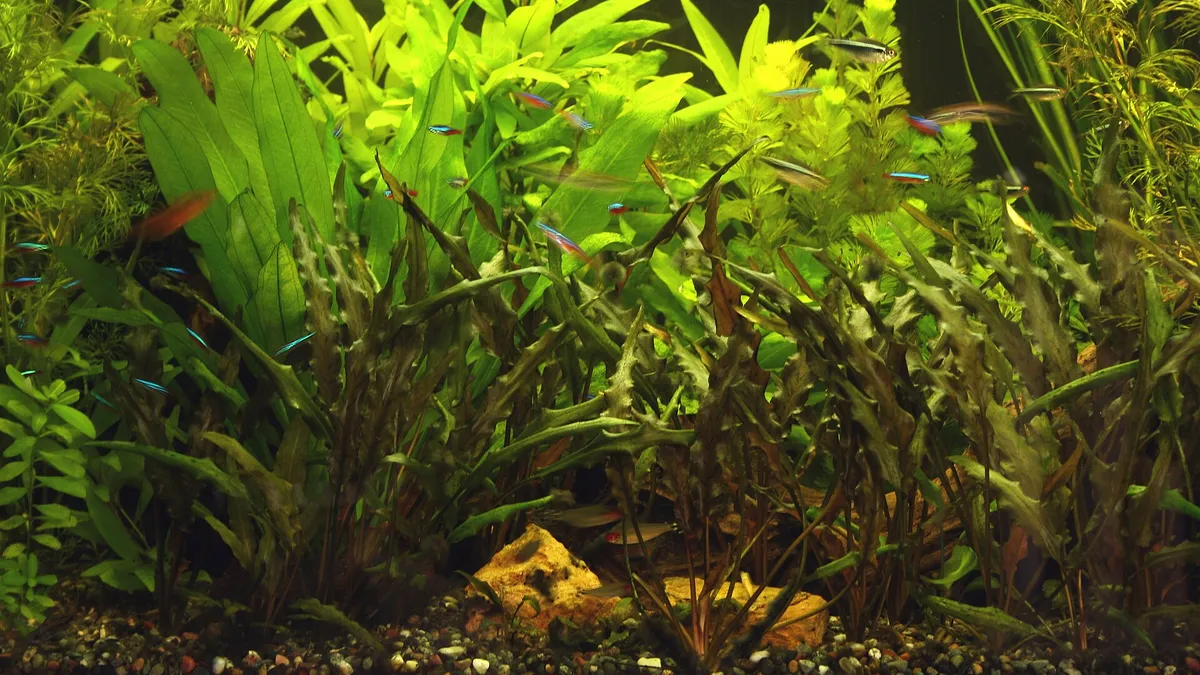
Gravel or sand covers the bottom and gives bacteria more surface to live on. Rocks, driftwood and plants give fish hiding places, which lowers stress. Rinse everything before it goes in the tank.
Test kit and water conditioner
Tap water in most US cities contains chlorine or chloramine, which harms fish. A water conditioner neutralizes both. A liquid test kit for ammonia, nitrite, nitrate and pH tells you what is happening in the water. Read our guide to which water is safe for a fish tank before your first fill.
Where to Put Your Fish Tank
Placement affects safety, algae and how much you enjoy the tank.
A strong, level stand
Use a stand built for aquariums or furniture rated for the full weight. Check that it is level in both directions. Large tanks should sit across floor joists or near a load-bearing wall, and very large tanks may need advice from a builder. Our guide to buying a fish tank with stand explains weight ratings, materials and leveling in more detail.
Away from sun and heat
Direct sunlight feeds algae and can overheat the water. Keep the tank away from windows, heating vents, radiators and drafty doors.
Near power and water
You will need several outlets for the filter, heater and light. Use a drip loop on every cord so water cannot run into the socket. A tank close to a sink makes weekly water changes far easier.
Fish Tank Buying Checklist
Before you buy
- Choose your fish and note their adult size and needs.
- Pick a tank size that suits those fish, ideally 20 gallons or more.
- Measure your space and confirm the floor and stand can carry the weight.
- Choose glass or acrylic and a shape that fits the room.
- Budget for the filter, heater, lid, light, substrate, test kit and conditioner.
After you buy
Set the tank up, fill it and let it run before adding fish. A new aquarium needs several weeks to grow beneficial bacteria, a process called cycling. Skipping this step is the most common cause of cloudy water and early fish deaths. If your water turns milky in the first weeks, our guide to a cloudy fish tank explains why and what to do. For more setup and maintenance guides, visit our aquarium care section.
Fish Tank Buying FAQs
What size fish tank is best for a beginner?
A 20 to 40 gallon glass tank is the best choice for most beginners. It holds enough water to stay stable when you make small mistakes, has room for a real community of fish and still fits on a standard aquarium stand. Very small tanks are harder to keep stable.
Is a bigger fish tank harder to maintain?
Not usually. A bigger tank takes a little longer to clean, but its water chemistry changes more slowly, so problems build up less quickly. Many keepers find a 29 or 40 gallon tank easier to keep healthy than a 5 or 10 gallon one.
How much does a filled fish tank weigh?
Fresh water weighs about 8.34 pounds per gallon. Add glass, gravel, rock and decor, and a common rule of thumb is roughly 10 pounds per gallon. That means a 20 gallon tank can weigh around 200 pounds and a 55 gallon tank well over 500 pounds when set up.
Should I buy a glass or acrylic aquarium?
Glass suits most buyers because it resists scratches and costs less in standard sizes. Acrylic is lighter and stronger against knocks, so it is popular for very large or custom tanks. Acrylic scratches easily and needs a flat stand that supports the whole base.
How long should a new tank run before adding fish?
A new tank should be cycled before fish go in, which usually takes several weeks. During cycling, beneficial bacteria grow in the filter and substrate and learn to process ammonia and nitrite. Test the water and add fish only when ammonia and nitrite read zero.
Final Thoughts
Buy the tank your fish need
The right aquarium fish tank is the one that fits your fish as adults, your space and your routine. For most people that means a glass rectangle of 20 to 40 gallons on a solid stand, with a good filter, a heater and a lid. Start there, cycle the tank before adding fish and you will avoid most of the problems that make new keepers give up.