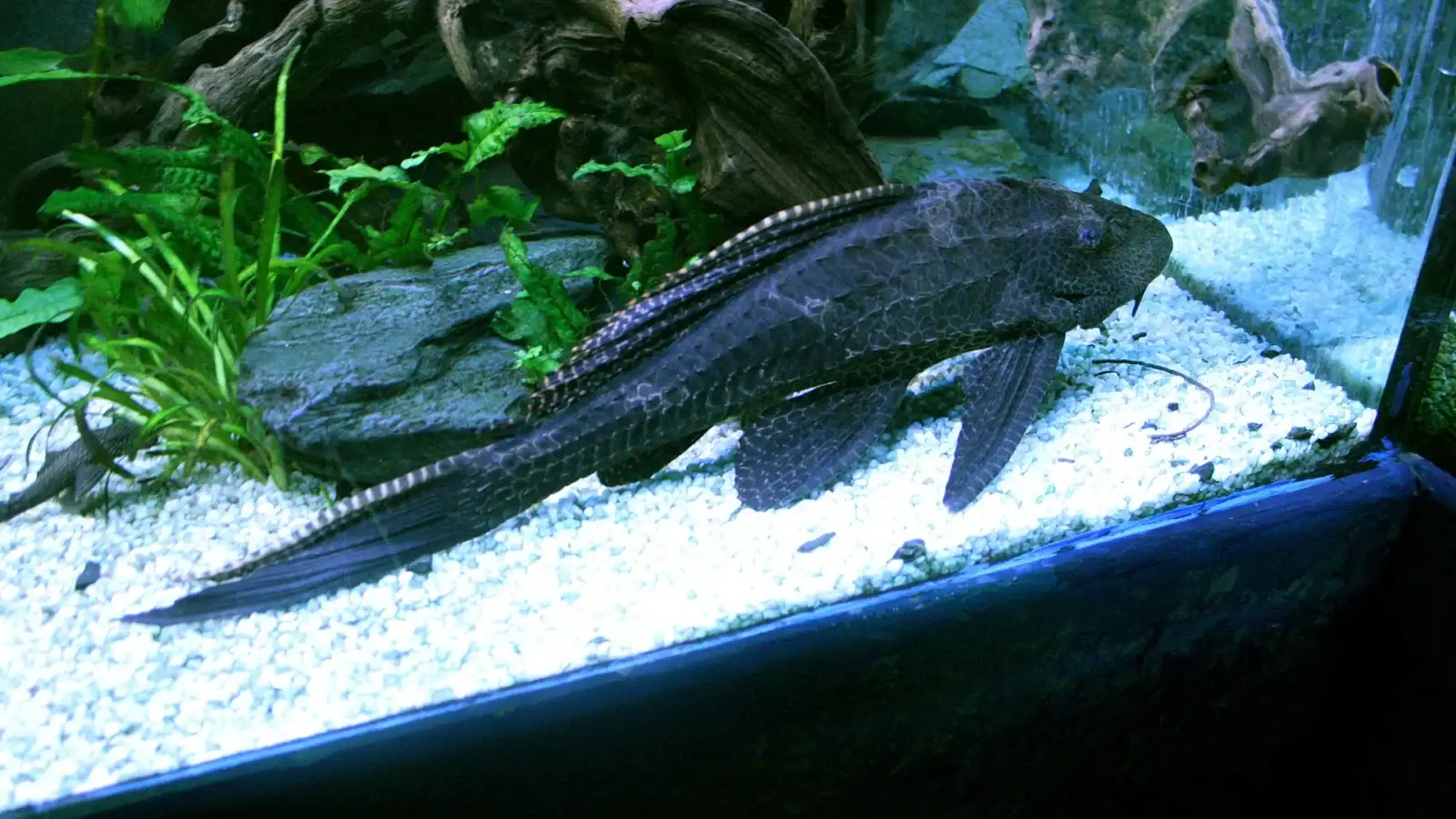
Pleco Care Guide: Types, Tank Size and Feeding
Loricariidae (Ancistrus, Hypostomus, Pterygoplichthys and others)Good pleco care starts with choosing the right species. A bristlenose pleco stays about 4 to 6 inches long and does well in a 20 to 30 gallon tank, while a common pleco often reaches 12 to 15 inches in aquariums and needs 75 gallons or more as an adult. Keep most plecos at 72 to 80°F with a pH of about 6.5 to 7.5, give them driftwood and caves, and feed sinking algae wafers and vegetables after the lights go off.
Pleco care looks easy in the store, where a 2 inch fish sucks on the glass and seems like the perfect tank cleaner. The trouble is that many plecos grow into large, messy fish that need far more space than a beginner tank can offer. Others stay small and make excellent community fish.
This guide explains the main types of pleco, how big each one gets, the tank size and water each type needs, what to feed them, and how to avoid the most common mistakes. It also covers why you should never release an unwanted pleco into the wild.
What Is a Pleco?
Plecos, short for plecostomus, are armored suckermouth catfish from the family Loricariidae. They come from rivers and streams in South and Central America. Instead of scales, their bodies are covered in bony plates, and their mouths form a sucker disc that lets them cling to rocks and wood in fast water while they scrape off algae and biofilm.
The family is huge, with hundreds of described species and many more sold under “L numbers” (codes given to undescribed species in the hobby). Only a handful are common in US pet stores, and they vary from 3 inch wood grazers to fish that grow past a foot and a half long.
Pleco Care at a Glance
| Trait | Bristlenose Pleco | Common Pleco |
|---|---|---|
| Scientific name | Ancistrus spp. | Hypostomus plecostomus (many sold are Pterygoplichthys) |
| Adult size | About 4 to 6 inches | Often 12 to 15 inches in tanks, up to about 20 inches or more |
| Minimum tank | 20 to 30 gallons | 75 gallons, ideally 125 gallons or more |
| Temperature | 73 to 81°F | 72 to 82°F |
| pH | About 6.5 to 7.5 | About 6.5 to 7.8 |
| Temperament | Peaceful | Peaceful when young, territorial as adults |
| Lifespan | Often 5 to 10 years or more | Often 10 to 15 years |
Nocturnal Habits
Most plecos are active at dusk and at night. During the day they hide in caves or under driftwood, so a pleco that rests all day is usually behaving normally. You will see more of your fish if you watch the tank shortly after the lights go off.
Types of Pleco and How Big Plecos Get
The most important question in pleco care is how big your pleco will get. Many juvenile plecos look almost the same in the store, so always ask for the species name before you buy.
| Pleco Type | Typical Adult Size | Minimum Tank | Notes |
|---|---|---|---|
| Bristlenose pleco (Ancistrus) | 4 to 6 inches | 20 to 30 gallons | Best choice for most home aquariums |
| Clown pleco (Panaqolus) | About 3 to 4 inches | 20 gallons | Eats wood, needs driftwood in the tank |
| Rubber lip pleco (Chaetostoma) | About 5 to 7 inches | 30 gallons | Likes cooler, well oxygenated water |
| Sailfin pleco (Pterygoplichthys) | 12 inches or more | 75 gallons or more | Tall dorsal fin, heavy waste producer |
| Royal pleco (Panaque) | Can pass 16 inches | 125 gallons or more | Wood eater, can be territorial |
| Common pleco (Hypostomus) | 12 to 15 inches in tanks, larger in the wild | 75 to 125 gallons or more | Often outgrows its first tank within a couple of years |
Common Plecos Grow Fast
A common pleco sold at 2 or 3 inches can pass 10 inches within a couple of years in a well fed tank. Many fish sold as “common plecos” are actually sailfin plecos, which grow just as large. If you cannot provide a tank of at least 75 gallons, with a long footprint, choose a smaller species instead. Our guide to the best large fish tank setups covers the 75 to 180 gallon sizes these fish need.
Why Bristlenose Plecos Are Easier
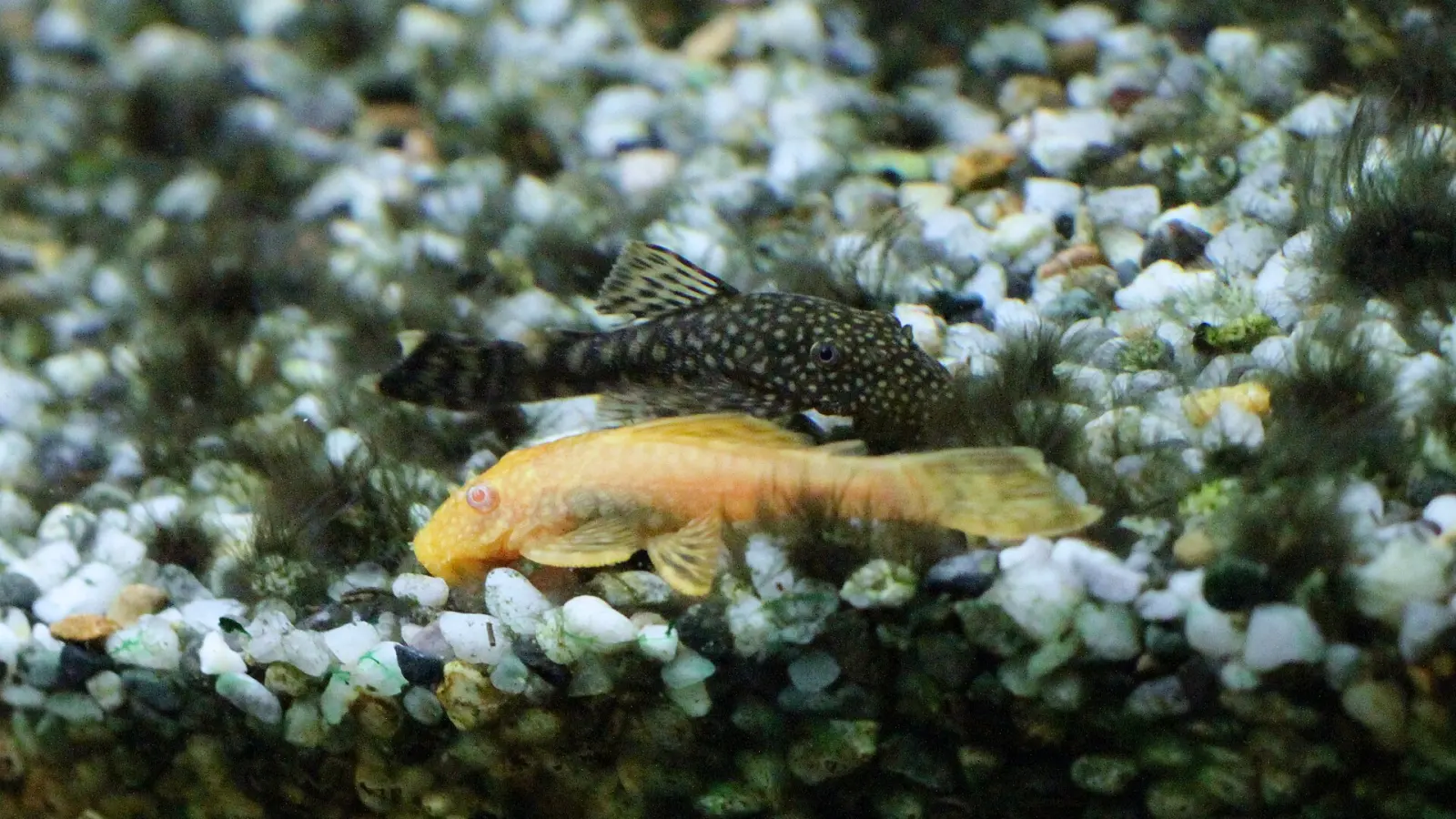
Bristlenose plecos stay small, tolerate a wide range of water, graze algae all their lives, and breed readily in home tanks. Adult males grow the fleshy bristles on their snouts that give the fish its name, while females have few or none. They also come in albino, longfin and other color forms.
Pleco Tank Size and Setup
Plecos live on the bottom and on hard surfaces, so floor space and hiding places matter more than tank height.
Driftwood and Caves
Every pleco needs at least one cave or overhang per fish. Clay caves, slate stacks and driftwood all work. Driftwood is more than decoration: plecos rasp at its surface and eat the soft wood and biofilm, and wood eating species such as clown and royal plecos need it as part of their diet. Wood also releases tannins that slightly soften and acidify the water, which most plecos like.
Substrate and Decor
Sand or smooth gravel is best. Plecos rest on their bellies and often dig under wood, so avoid sharp gravel. The best aquarium substrate guide compares sand, gravel and planted tank soils. Secure heavy rocks directly on the glass so a digging pleco cannot undermine them.
Filter, Heater and Flow
Plecos produce a lot of waste, especially the large species. Use a filter rated for a bigger tank than you have, and add extra water movement if you keep rubber lip or other stream species. Most plecos are tropical fish, so a reliable fish tank heater keeps the water at a steady temperature. Cover the tank, because startled plecos can jump.
Cycle the Tank Before You Add a Pleco
Never add a pleco to a brand new tank “to clean up algae”. A new tank has almost no algae and no beneficial bacteria. Finish the steps in how to cycle a fish tank first, and add plecos only after the tank has been running for several weeks.
Water Parameters for Plecos
Most plecos in the trade are hardy, but they need clean, stable water with good oxygen levels.
| Parameter | Ideal Range |
|---|---|
| Temperature | 72 to 80°F for most species |
| pH | 6.5 to 7.5 (many tolerate 6.0 to 8.0) |
| Hardness | Soft to moderately hard, about 2 to 15 dGH |
| Ammonia and nitrite | 0 ppm |
| Nitrate | Under 20 to 40 ppm |
Test weekly and change 20 to 30% of the water each week, vacuuming waste from around caves and under wood. Our guide to aquarium water parameters explains each test in detail.
What Do Plecos Eat?
The biggest myth in pleco care is that plecos live on algae alone. Most tanks do not grow enough algae to feed a pleco, and many adult plecos eat more vegetables and meaty foods than algae.
A Balanced Pleco Diet
- Sinking algae wafers or pleco pellets as the staple food
- Blanched zucchini, cucumber, spinach, peas or green beans two to four times a week
- Driftwood for grazing, and as a main food for wood eating species
- Small amounts of frozen bloodworms or brine shrimp once or twice a week for omnivorous species
How to Feed a Pleco
Feed after the lights go off, when plecos come out to forage and faster fish are less active. Clip vegetables to the glass or weigh them down, and remove leftovers after about 12 to 24 hours so they do not rot. A pleco with a sunken, hollow belly is not getting enough food.
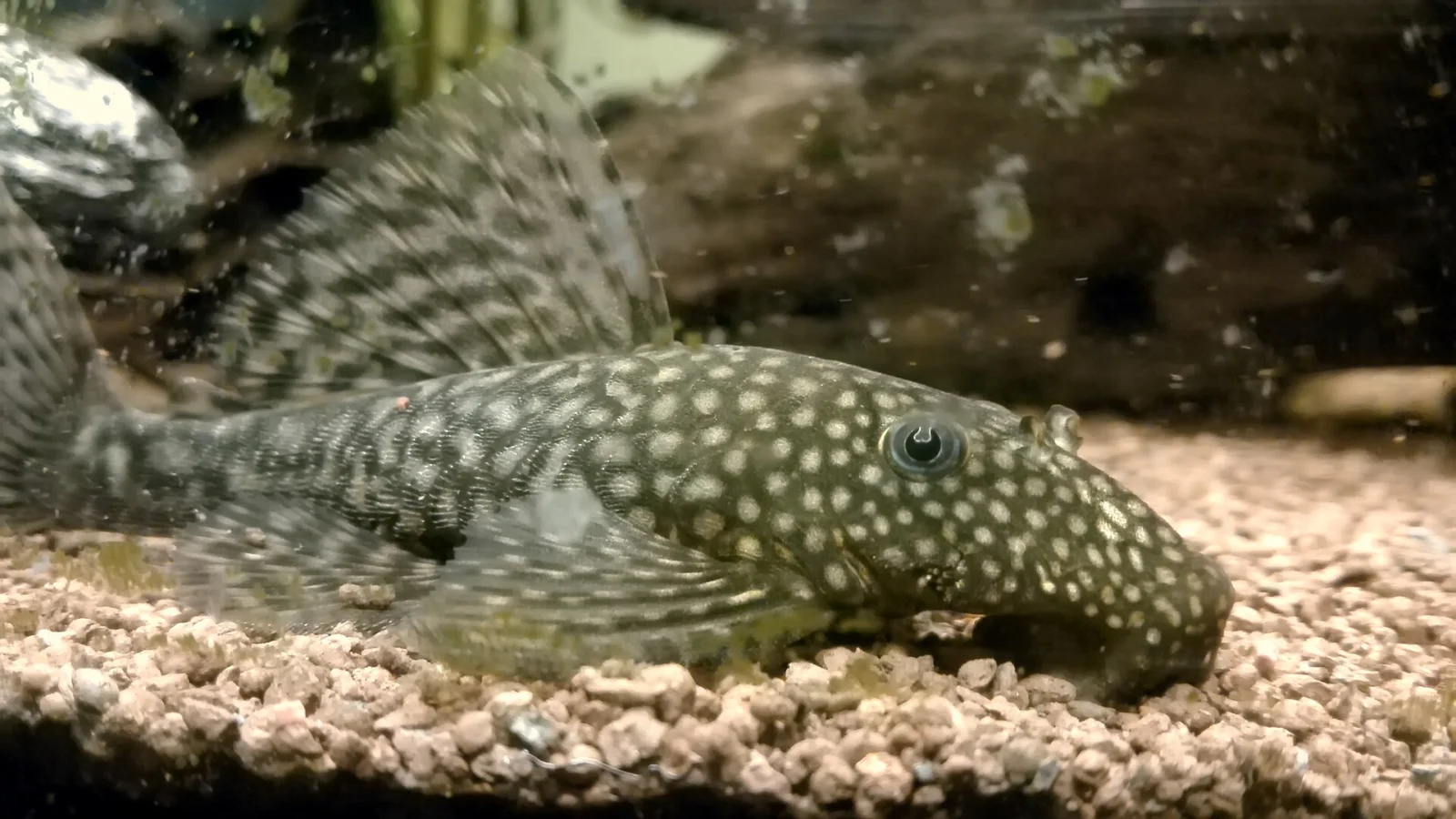
Best Pleco Tank Mates
Small and medium plecos are peaceful and get along with most community fish. Good tank mates include tetras, rasboras, livebearers, gouramis, angelfish and peaceful barbs. Bristlenose plecos also share tanks well with corydoras, because corys feed on meaty foods on the open sand while plecos graze wood and glass.
Fish to Avoid
Avoid keeping two plecos of the same large species in one tank, because adults fight over caves and food. Large common and sailfin plecos may also rasp at the slime coat of slow, flat bodied fish such as angelfish and discus at night. Goldfish are a poor match too: they prefer cooler water, and large plecos have been known to latch onto their sides. For other bottom dwellers that may suit your tank better, see our list of the best bottom feeder fish.
Breeding Bristlenose Plecos
Bristlenose plecos are among the easiest catfish to breed. Give a male a narrow cave, keep the water clean, and feed well. The female lays a clump of orange eggs inside the cave, and the male guards and fans them until they hatch, usually within about a week. The fry graze on algae, biofilm, wafers and blanched vegetables, and driftwood in the tank helps them grow.
Common Pleco Problems
Hollow Belly and Weight Loss
A thin pleco is usually a hungry pleco. Add sinking wafers and vegetables at night and make sure tank mates are not eating everything first.
White Patches and Torn Fins
Pale, cloudy patches and ragged fins often point to poor water quality or fights over caves. Test the water, add hiding places, and check our guide to common fish diseases if symptoms spread. Plecos can be sensitive to some medications, so read labels for warnings about scaleless or catfish species.
Never Release a Pleco
If a pleco outgrows your tank, rehome it through a local fish store, aquarium club or public aquarium. Released plecos have formed invasive populations in warm US waters, including Florida and Texas, where their burrows erode riverbanks and they compete with native fish. The U.S. Geological Survey has documented suckermouth armored catfish spreading in Florida rivers.
Pleco Care Checklist
- Confirm the species and its adult size before you buy
- Choose a bristlenose or clown pleco for tanks under 75 gallons
- Add driftwood plus one cave per pleco
- Keep the water at 72 to 80°F with a stable pH near 6.5 to 7.5
- Feed sinking wafers and vegetables after lights out
- Change 20 to 30% of the water weekly and filter generously
With the right species and a well planned tank, plecos are long lived, interesting fish. For more species ideas, browse all our aquarium fish care guides. If you are planning a community tank around a bristlenose, our angelfish care guide covers a popular midwater companion, and our goldfish care guide explains why goldfish are better kept without plecos.
Frequently Asked Questions
How big do plecos get?
It depends on the species. Bristlenose plecos stay about 4 to 6 inches long, while common and sailfin plecos often reach 12 to 15 inches in aquariums and can grow larger.
What size tank does a pleco need?
A bristlenose pleco needs at least a 20 to 30 gallon tank. Common and sailfin plecos need 75 gallons or more as adults, and many keepers recommend 125 gallons.
Do plecos only eat algae?
No. Most tanks do not grow enough algae to feed a pleco. Feed sinking algae wafers and blanched vegetables, add driftwood, and give omnivorous species some frozen foods.
Can two plecos live together?
Small species such as bristlenose plecos can share a large tank if each fish has its own cave. Two adult common or sailfin plecos usually fight unless the tank is very large.
How long do plecos live?
Many plecos live 10 to 15 years with good care. Bristlenose plecos often live 5 to 10 years or more.
Keep exploring
 Aquarium Fish
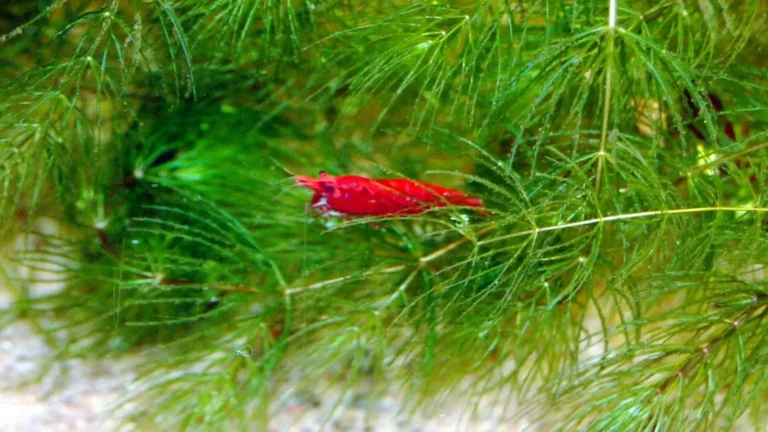
Cherry Shrimp Care: Tank Setup, Water Parameters and Breeding
Cherry shrimp care made easy: tank setup, ideal water parameters, feeding, molting, breeding and safe tank mates for a thriving colony.
 Aquarium Fish
Cheap Freshwater Fish: 15 Hardy Species That Cost Under $5
Cheap freshwater fish that stay hardy: 15 species under $5, with sizes, tank needs and a sample budget stocking plan for a…
 Aquarium Fish
Types of Freshwater Fish: 40 Species by Family, With Facts
Types of freshwater fish explained: 40 species across trout, bass, catfish, carp, cichlid, perch and more, with quick facts and where each…