Best Aquarium Substrate: Gravel, Sand and Planted Tank Soil Compared
The best aquarium substrate depends on what lives in your tank. Smooth gravel is the easiest all round choice for most community tanks, fine sand is best for bottom dwellers such as corydoras and loaches, and nutrient rich plant soil is best for heavily planted tanks and shrimp. Use about 2 to 3 inches of gravel or soil, or 1 to 2 inches of sand.
Choosing an aquarium substrate is one of the first decisions you make when setting up a tank, and one of the hardest to change later. The right substrate keeps bottom dwelling fish comfortable, helps plants root, houses beneficial bacteria and sets the look of the whole aquarium.
This guide compares gravel, sand, planted tank soil and bare bottom tanks, then matches each one to the fish and plants that suit it best. You will also find how much substrate to buy, how deep to lay it and how to keep it clean.
What Does Aquarium Substrate Do?
Substrate is the material that covers the bottom of the tank. It does more than decorate the glass floor.
Home for Beneficial Bacteria
The surface of every grain hosts bacteria that turn toxic ammonia and nitrite into less harmful nitrate. This is part of the aquarium nitrogen cycle, and a well settled substrate adds to the biological filtration your filter already provides.
Anchor for Plants and Decor
Rooted plants need something to grip, and heavy decor and driftwood sit more securely on a substrate than on bare glass.
Natural Behavior for Fish
Many fish sift, dig or forage along the bottom. Corydoras root through sand for food, cichlids dig pits and loaches burrow. The wrong substrate can stop these behaviors or even injure the fish.
Aquarium Substrate Types Compared
| Substrate | Best For | Pros | Cons |
|---|---|---|---|
| Gravel | Most community tanks | Easy to clean, cheap, many colors | Food can sink between stones |
| Sand | Corydoras, loaches, cichlids, goldfish | Natural look, safe for digging fish | Compacts if too deep, can blow into filters |
| Planted tank soil | Heavily planted tanks, shrimp | Feeds roots, softens water | Costly, breaks down over a few years |
| Inert plant substrate | Low tech planted tanks | Lasts for years, holds root tabs | No built in nutrients |
| Bare bottom | Breeding, hospital and grow out tanks | Very easy to clean | Looks sparse, no rooted plants |
Aquarium Gravel
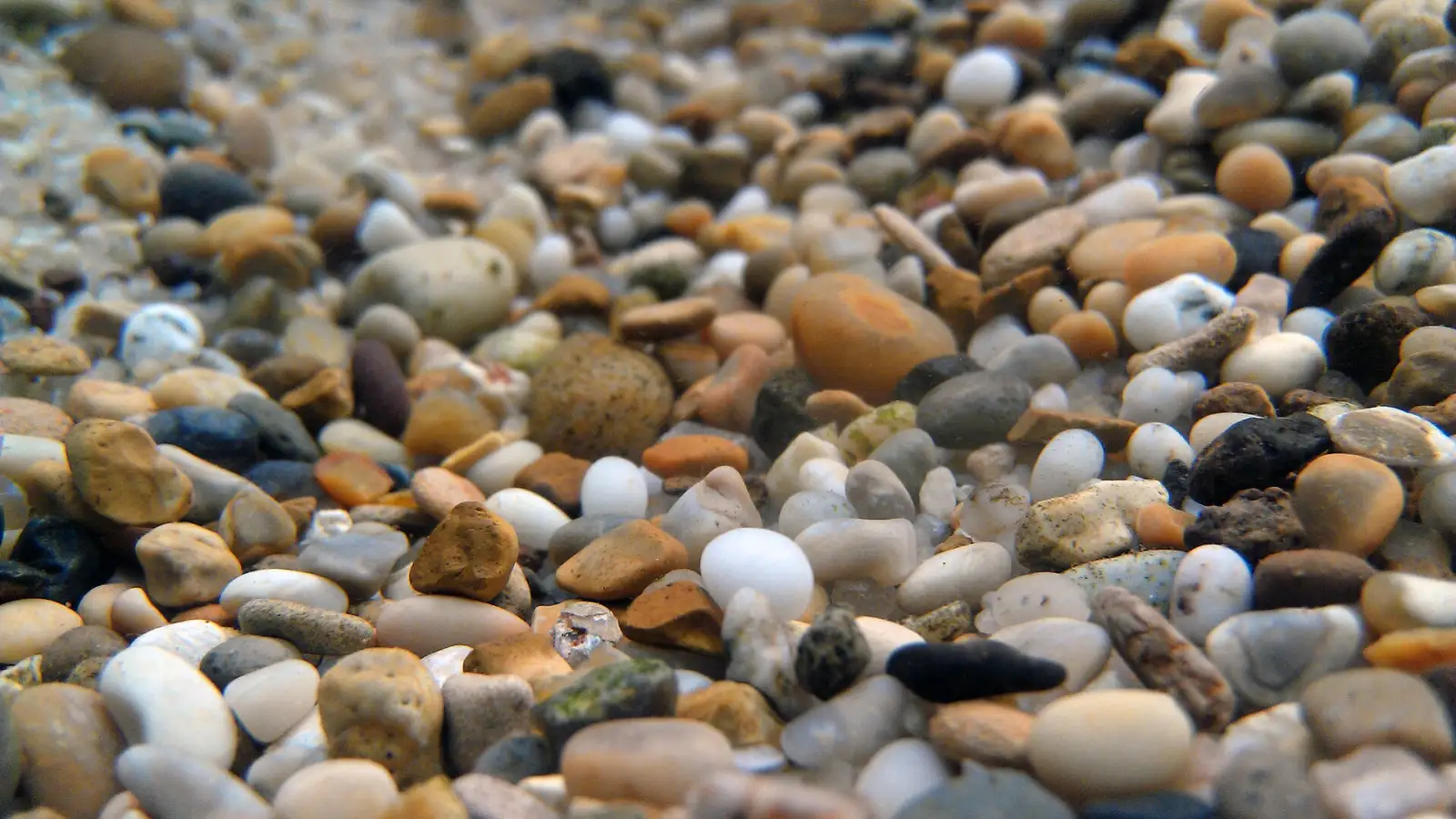
Gravel is the classic choice and works in most freshwater tanks. Smooth, pea sized gravel lets water flow through it, so waste is easy to lift out with a gravel vacuum. Avoid sharp or jagged gravel if you keep bottom dwellers, as it can damage their barbels and fins. Natural tones such as brown, gray and black look better than bright colors for most aquascapes and help fish show their color.
Aquarium Sand
Sand gives a soft, natural look and is the best substrate for fish that sift or dig. Pool filter sand and aquarium sand are both popular. Lay it shallow, about 1 to 2 inches, and stir the top layer gently during cleaning to stop it packing down. Hover the vacuum just above the surface so you pull up debris without sucking up the sand.
Planted Tank Soil
Aqua soils are baked clay granules packed with nutrients. They give plants a fast start, buffer the water toward a soft, slightly acidic pH and are ideal for shrimp and fish from soft water rivers. Many soils release ammonia for the first few weeks, so set them up and cycle the tank before adding livestock. Expect to replace soil after a few years as the granules break down.
Inert Plant Substrates
Clay based gravels and similar inert substrates hold nutrients from root tabs but do not change water chemistry. They last much longer than aqua soils and suit low light planted tanks.
Bare Bottom Tanks
A bare bottom is easy to clean and common in breeding tanks, quarantine tanks and tanks for messy fish. It suits short term setups better than a long term display, since it offers no space for rooted plants and less surface for bacteria.
Best Substrate by Fish Type
Match the substrate to the fish first and the look second.
Corydoras and Other Bottom Dwellers
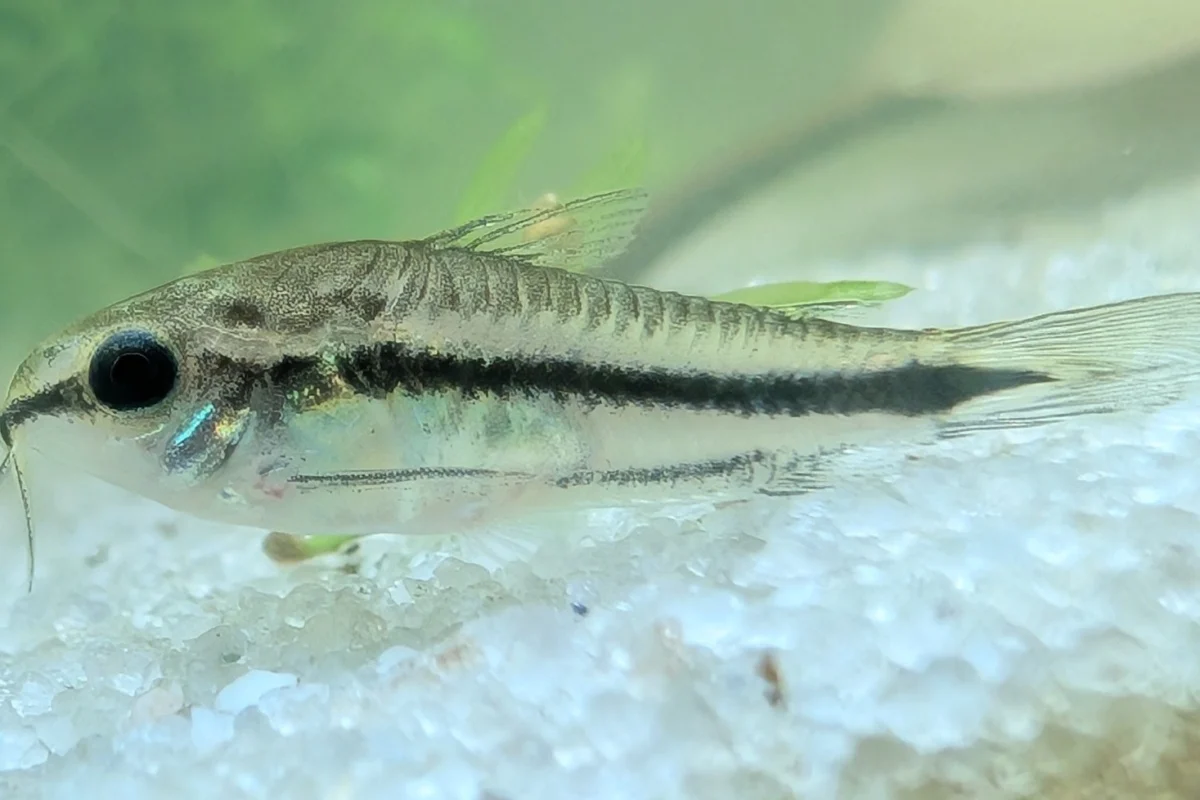
Corydoras, kuhli loaches and other bottom feeders do best on fine, smooth sand that lets them sift for food with their sensitive barbels. Smooth, rounded gravel is acceptable if sand is not an option, but avoid sharp gravel.
Goldfish
Goldfish constantly forage and can choke on gravel that is small enough to swallow but too big to pass. Use sand or very large, smooth stones that they cannot fit in their mouths.
Cichlids
African cichlids dig a lot and prefer sand. Many keepers use aragonite or crushed coral sand, which helps hold the hard, alkaline water these fish need. See our guide to African cichlids for their full setup.
Bettas and Community Tanks
Bettas, tetras, rasboras and livebearers are fine on gravel, sand or soil. Choose based on the plants you want and how easy you want cleaning to be.
Shrimp Tanks
Shrimp spend most of their time grazing on the substrate. Planted tank soil suits sensitive species, while hardy cherry shrimp do well on almost any fine substrate.
Best Substrate for Planted Tanks
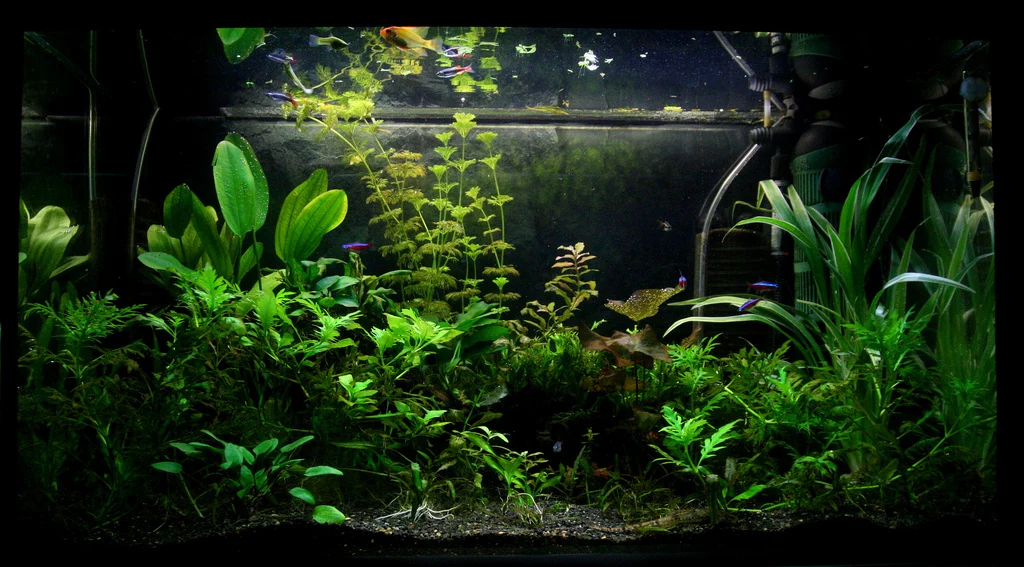
Plants with strong roots, such as swords and cryptocorynes, grow best in nutrient rich soil or in gravel and sand fed with root tabs. Stem plants and carpeting plants usually need fine grained soil.
Layering a Planted Tank
A popular method is a thin layer of nutrient rich soil under a cap of sand or gravel. The cap keeps the soil in place and stops it clouding the water when you replant. Keep the cap at least an inch thick.
Substrate Color and the Look of Your Tank
Substrate color changes how the whole aquarium looks and even how your fish behave.
Dark Substrates
Black or dark brown gravel and sand make fish colors stand out and help shy species feel secure. Neon tetras, rasboras and many cichlids show deeper color over a dark bottom.
Light Substrates
White or pale sand brightens the tank and gives a beach or riverbed look. It also shows waste and algae more clearly, so it needs more regular cleaning. Some fish look washed out over very bright sand.
Natural Mixes
Mixed natural tones of tan, gray and brown look the most realistic in planted and biotope tanks. Avoid brightly dyed gravel in long term tanks, since some cheap coatings can chip over time.
When to Replace Aquarium Substrate
Gravel and sand last for the life of the tank if you keep them clean, so most tanks never need a full replacement. Aqua soils are different. They slowly break down and lose nutrients, and many keepers replace them every few years. If you do need to change substrate, swap it in sections over several weeks rather than all at once, so the bacteria living in the old bed can move into the new one without causing an ammonia spike.
How Much Substrate Do You Need?
Most tanks need about 2 to 3 inches of gravel or soil and 1 to 2 inches of sand. A common rule of thumb is roughly 1 pound of gravel per gallon for a 1 inch layer, so a 2 inch layer needs about 2 pounds per gallon.
| Tank Size | Gravel for 2 inches | Sand for 1.5 inches |
|---|---|---|
| 10 gallon | About 20 lb | About 15 lb |
| 20 gallon long | About 40 lb | About 30 lb |
| 29 gallon | About 40 to 60 lb | About 30 to 45 lb |
| 55 gallon | About 70 to 110 lb | About 55 to 80 lb |
These figures are estimates. The exact amount depends on the tank footprint and how heavy the substrate is, so check the coverage chart on the bag before you buy.
Slope the Substrate
Lay the substrate a little deeper at the back and shallower at the front. This creates depth in the layout, gives plant roots more room at the back and makes waste easier to spot and remove at the front.
How to Add Substrate to a New Tank
Substrate goes in early, before the water and fish. Our guide on how to set up a fish tank walks through the full order of steps.
Step by Step
- Rinse gravel or sand in a bucket until the water runs mostly clear. Do not rinse aqua soil unless the maker says to.
- Pour the substrate into the empty tank and slope it from back to front.
- Place rocks and driftwood, pressing them firmly into the substrate.
- Lay a plate or plastic bag on the surface and pour water onto it to avoid disturbing the bed.
- Plant, add equipment and start cycling the tank.
How to Clean Aquarium Substrate
Dirty substrate traps waste that breaks down into ammonia and nitrate. Clean it with a gravel vacuum during your weekly water change, working through one section of the tank at a time so you do not disturb all the bacteria at once. For a full routine, read how to do a fish tank water change and how to clean a fish tank.
Choosing the Best Aquarium Substrate
For a first tank, smooth natural gravel is the most forgiving choice. Switch to sand if you plan to keep corydoras, loaches, goldfish or cichlids, and choose planted tank soil if live plants and shrimp are the main focus. Whatever you pick, buy enough for a 2 to 3 inch bed, rinse it well and keep it clean. For more help planning your setup, see our full fish tank buying guide.
Frequently Asked Questions
What is the best substrate for a beginner aquarium?
Smooth, natural colored gravel is the easiest for beginners. It is cheap, simple to clean with a gravel vacuum and suits most community fish.
How deep should aquarium substrate be?
Aim for 2 to 3 inches of gravel or planted tank soil and 1 to 2 inches of sand. Slope it slightly deeper at the back of the tank.
Is sand or gravel better for a fish tank?
Sand is better for bottom dwellers, goldfish and digging cichlids. Gravel is easier to clean and suits most community tanks and beginners.
Do I need special substrate for live plants?
Not always. Many plants grow well in gravel or sand with root tabs, but carpeting plants and heavily planted tanks grow best in nutrient rich aqua soil.
How often should I clean aquarium substrate?
Vacuum part of the substrate during each weekly or biweekly water change. Cleaning a different section each time protects the beneficial bacteria.
Keep exploring
 Aquarium Care
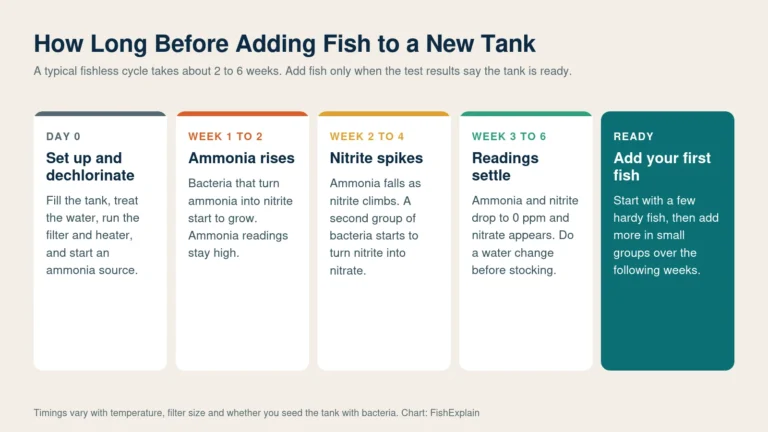
How Long to Wait Before Adding Fish to a New Tank
How long before adding fish to a new tank? Usually 2 to 6 weeks. Learn the water test results that mean it…
 Aquarium Care
Aquarium pH: How to Raise or Lower pH Safely
Aquarium pH guide: ideal ranges for freshwater fish, how KH keeps pH stable, and safe ways to raise or lower pH without…
 Aquarium Care
New Tank Syndrome: Signs, Causes and How to Prevent It
New tank syndrome kills fish in uncycled tanks. Learn the warning signs, what causes ammonia and nitrite spikes, and how to fix…