Cherry Shrimp Care: Tank Setup, Water Parameters and Breeding
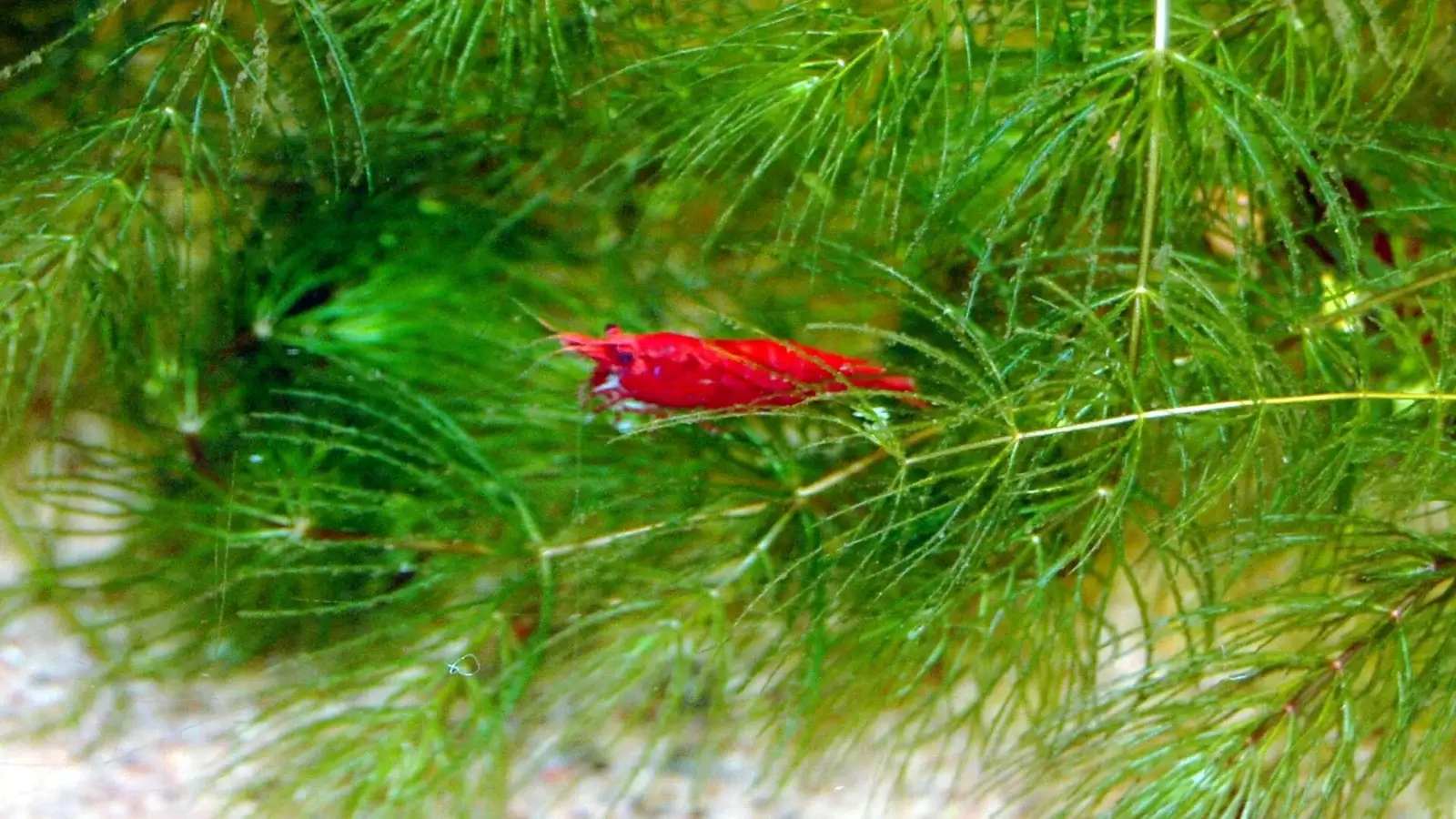
Cherry shrimp care is simple once the tank is stable. Keep a group of at least 10 red cherry shrimp (Neocaridina davidi) in a cycled 5 to 10 gallon or larger tank at about 72 to 76°F, with pH 6.5 to 8.0, GH of at least 6 and KH of at least 2. Feed small amounts of algae based or shrimp food once a day or every other day, add live plants and moss, and never use copper based medicines or fertilizers. In good conditions they live about 1 to 2 years and breed on their own.
Red cherry shrimp are the easiest freshwater shrimp for beginners. They are small, peaceful, colorful and busy all day, grazing on algae and biofilm. Good cherry shrimp care comes down to three things: a mature tank, stable water and safe tank mates.
This guide covers tank setup, water parameters, feeding, molting, breeding and the mistakes that most often kill shrimp. For other invertebrates and small aquatic pets, see our guide to freshwater animals for a fish tank, and browse every species guide in our aquarium fish section.
Cherry Shrimp Facts at a Glance
Cherry shrimp are a color form of Neocaridina davidi, a dwarf freshwater shrimp native to Taiwan. Breeders selected the red color, and today the same species also comes in blue, yellow, orange, green and black forms.
| Trait | Details | |
|---|---|---|
| Scientific name | Neocaridina davidi | |
| Adult size | About 1 to 1.5 inches | females are larger |
| Lifespan | About 1 to 2 years | |
| Temperament | Peaceful | |
| Minimum tank | 5 gallons | 10 gallons or more recommended |
| Temperature | About 65 to 80°F, best at 72 to 76°F | |
| pH | 6.5 to 8.0 | |
| Diet | Algae, biofilm, shrimp foods, blanched vegetables | |
| Care level | Easy |
Color Grades
Sellers grade red cherry shrimp by how deep and solid the red color is. Common grades, from lowest to highest, include cherry, sakura, fire red, painted fire red and Bloody Mary. Higher grades cost more but need the same care. Colors fade when shrimp are stressed, so judge color after they settle in.
Cherry Shrimp Tank Setup
Shrimp can live in very small tanks, but larger volumes stay more stable. A 10 gallon tank is an easy, forgiving size for a breeding colony.
Cycle the Tank First
Shrimp are more sensitive to ammonia and nitrite than most fish. Add them only to a fully cycled tank, ideally one that has been running for a month or more and already has some algae and biofilm on the glass and decor.
Filter and Substrate
Use a sponge filter or cover the intake of a hang on back or canister filter with a fine sponge, so baby shrimp are not pulled in. Any inert gravel or sand works well. Our aquarium substrate guide compares the options.
Plants, Moss and Hiding Places
Java moss, floating plants and fine leaved stems give shrimp food and cover, especially after molting when their new shell is soft. Driftwood and botanicals such as catappa leaves grow extra biofilm for grazing.
Cherry Shrimp Water Parameters
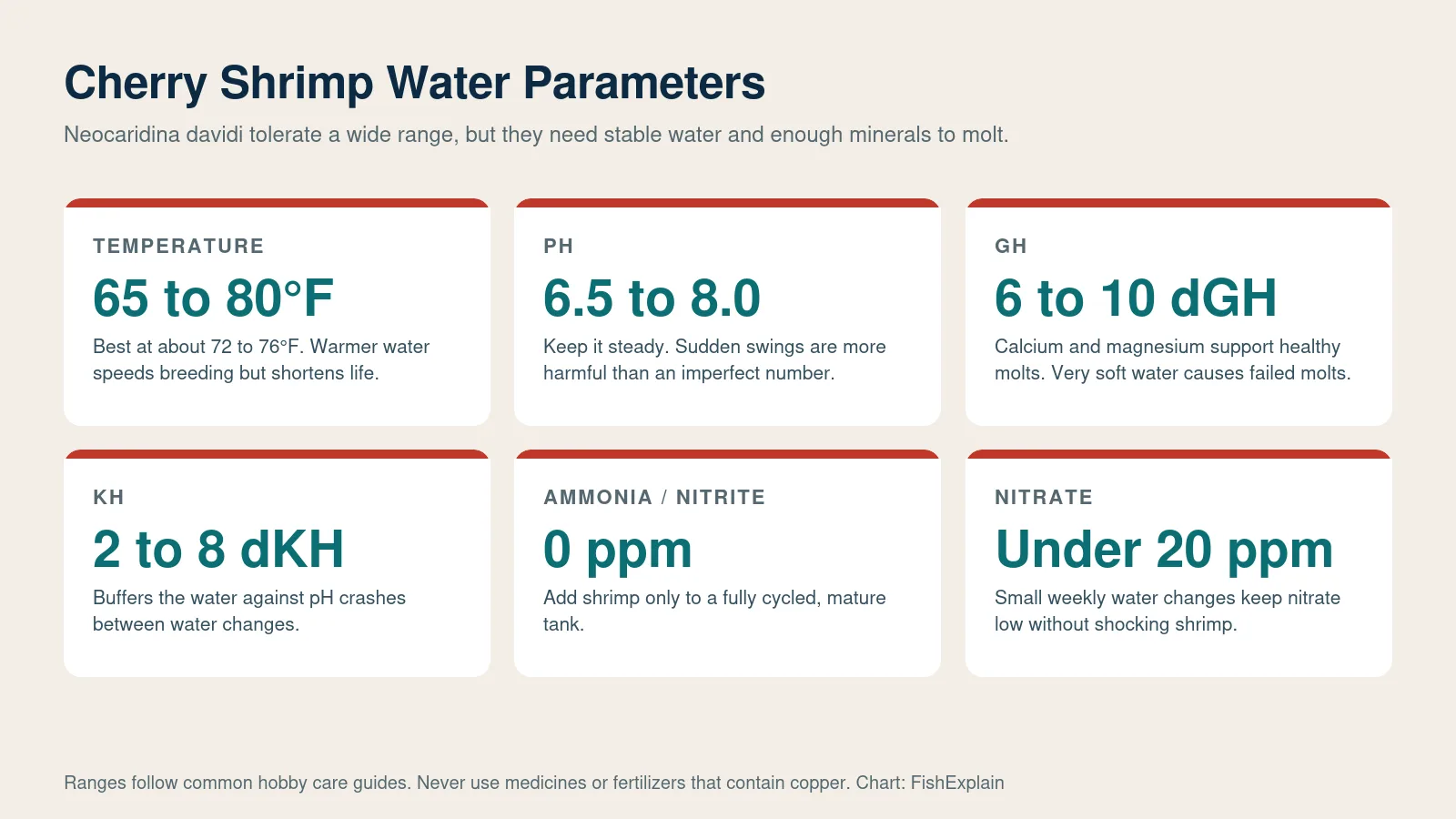
Cherry shrimp adapt to many tap water supplies. Stability matters more than hitting exact numbers. You can compare these ranges with our general guide to aquarium water parameters.
Temperature
Cherry shrimp tolerate roughly 60 to 82°F. Aquarium Co-Op notes that they are most comfortable at 72 to 76°F, and that warmer water speeds growth and breeding but shortens their lifespan. Many keepers run shrimp tanks without a heater in a warm room.
pH, GH and KH
Aim for pH 6.5 to 8.0. General hardness (GH) of at least 6 dGH provides the calcium and magnesium shrimp need to build new shells. Carbonate hardness (KH) of at least 2 dKH keeps pH from crashing. Very soft water, such as pure RO water, often leads to failed molts.
Copper Is Toxic to Shrimp
Copper kills invertebrates, even at levels that fish tolerate. Check the labels of medicines, algae treatments and plant fertilizers before using them in a shrimp tank, and never treat a shrimp tank with copper based products.
What Do Cherry Shrimp Eat?
Cherry shrimp are scavengers that spend most of the day grazing on algae, biofilm and decaying plant matter. In a mature tank, they find much of their own food.
Feeding Schedule
Feed a small amount once a day or every other day, only as much as the colony clears in about two hours. Remove leftovers to protect water quality. In a tank with fish, shrimp also pick up crumbs of fish food.
Best Foods
- Shrimp pellets or sticks with added calcium and minerals
- Algae wafers and spirulina flakes
- Blanched zucchini, spinach or cucumber
- Gel foods and powdered foods for baby shrimp
- Catappa leaves and other botanicals that grow biofilm
Molting
Shrimp grow by shedding their old shell, which is called molting. You will often find a clear, empty shell in the tank. Leave it there for a day or two, because shrimp eat it to recycle minerals.
Signs of Molting Problems
A shrimp that dies while stuck halfway out of its shell, sometimes with a white ring around its body, is often a sign of the wrong mineral balance or sudden water changes. Check GH and KH, and keep water changes small and regular instead of large and rare.
Breeding Cherry Shrimp
Cherry shrimp breed readily in a healthy tank with no extra effort. A colony of 10 or more usually contains both males and females.
Telling Males From Females
Females are larger, more colorful and have a deeper, curved underside. Mature females often show a yellow or green “saddle” behind the head, which is developing eggs.
Eggs and Baby Shrimp
After mating, the female carries about 20 to 30 eggs under her tail and fans them to keep them clean. A shrimp carrying eggs is called “berried.” The eggs hatch in roughly a month, depending on temperature, into tiny copies of the adults about 2 mm long. There is no larval stage, so the babies need no special care beyond hiding places and fine food.
Keeping Colors Pure
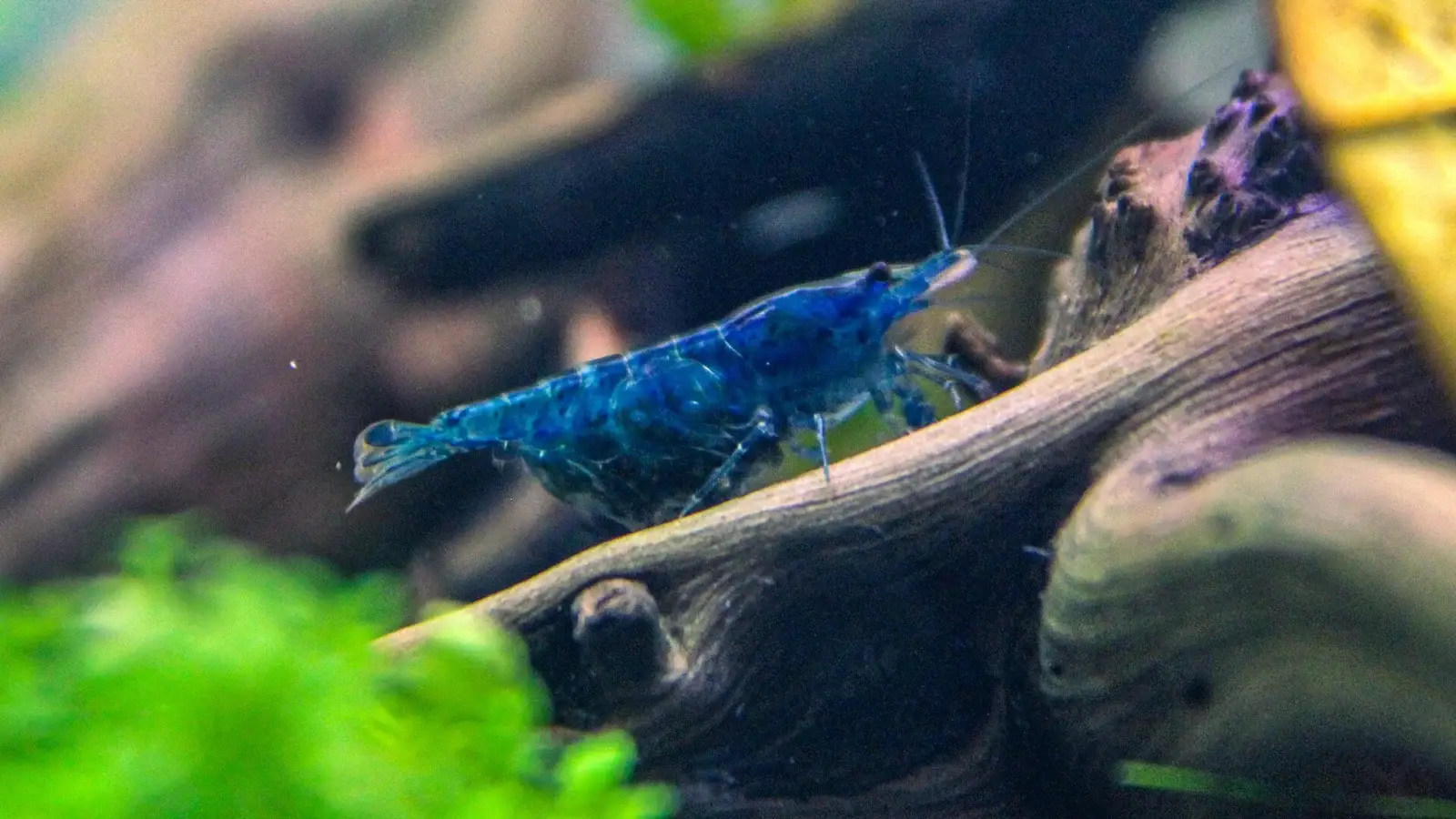
Different color forms of Neocaridina davidi can interbreed. Mixed colonies often produce brown or wild colored offspring over time, so keep one color per tank if you want to preserve bright red shrimp.
Cherry Shrimp Tank Mates
Almost any fish will eat baby shrimp, and many larger fish will eat adults. A shrimp only tank gives the fastest colony growth.
Safe Tank Mates
Snails, other dwarf shrimp, otocinclus catfish and very small, peaceful nano fish are the safest companions for adult shrimp. Dense moss gives babies a place to hide. If you plan to keep shrimp with a betta, read our guide to what fish can live with bettas first, because many bettas hunt shrimp.
Tank Mates to Avoid
Avoid cichlids, goldfish, large barbs, loaches and any fish whose mouth is big enough to swallow a shrimp. Crayfish also prey on shrimp.
Adding New Cherry Shrimp
Shrimp are sensitive to sudden changes in pH, hardness and temperature. Drip acclimation over about an hour is the safest method. Follow the steps in how to acclimate fish and slow the drip down for shrimp.
Frequently Asked Questions
How many cherry shrimp should I start with?
Start with at least 10 shrimp. A group that size almost always includes both males and females, so the colony can grow on its own.
Do cherry shrimp need a heater?
Not always. Cherry shrimp tolerate about 60 to 82°F and are comfortable at 72 to 76°F, so many live well at room temperature. Use a heater if your room gets cold or the temperature swings.
How long do cherry shrimp live?
Cherry shrimp usually live about 1 to 2 years. Warmer water speeds up growth and breeding but shortens their lifespan.
Why are my cherry shrimp dying?
Common causes include adding them to an uncycled tank, copper in medicines or fertilizers, large sudden water changes and very soft water that causes failed molts. Test ammonia, nitrite, GH and KH first.
Can cherry shrimp live with fish?
Adult shrimp can live with small, peaceful nano fish, but most fish eat baby shrimp. For a growing colony, keep them in a shrimp only tank or provide plenty of moss for cover.
Keep exploring
 Aquarium Fish
Cheap Freshwater Fish: 15 Hardy Species That Cost Under $5
Cheap freshwater fish that stay hardy: 15 species under $5, with sizes, tank needs and a sample budget stocking plan for a…
 Aquarium Fish
Types of Freshwater Fish: 40 Species by Family, With Facts
Types of freshwater fish explained: 40 species across trout, bass, catfish, carp, cichlid, perch and more, with quick facts and where each…
 Aquarium Fish
Pleco Care Guide: Types, Tank Size and Feeding
Loricariidae (Ancistrus, Hypostomus, Pterygoplichthys and others)Pleco care made simple: how big plecos get, tank size by type, bristlenose care, diet, driftwood and tank mates, plus why common…