What Fish Can Live With Bettas? 21 Safe Tank Mates by Tank Size (5 to 40 Gallons)
Tank size decides what fish can live with bettas without any trouble. Under 5 gallons, keep bettas alone. At 5 gallons, add snails or shrimp. From 10 gallons, peaceful species make safe betta tank mates.
The Siamese fighting fish, or Betta splendens, earned its name through territorial behavior, yet individual temperament varies widely. Some males ignore neighbors, while others attack anything. Watch your fish closely before building a community tank.
This list of fish that can live with bettas answers what fish can live with male bettas and covers betta fish companions. Hiding spots, live plants and a heavily planted tank improve betta fish compatibility.
What Makes a Good Betta Tank Mate
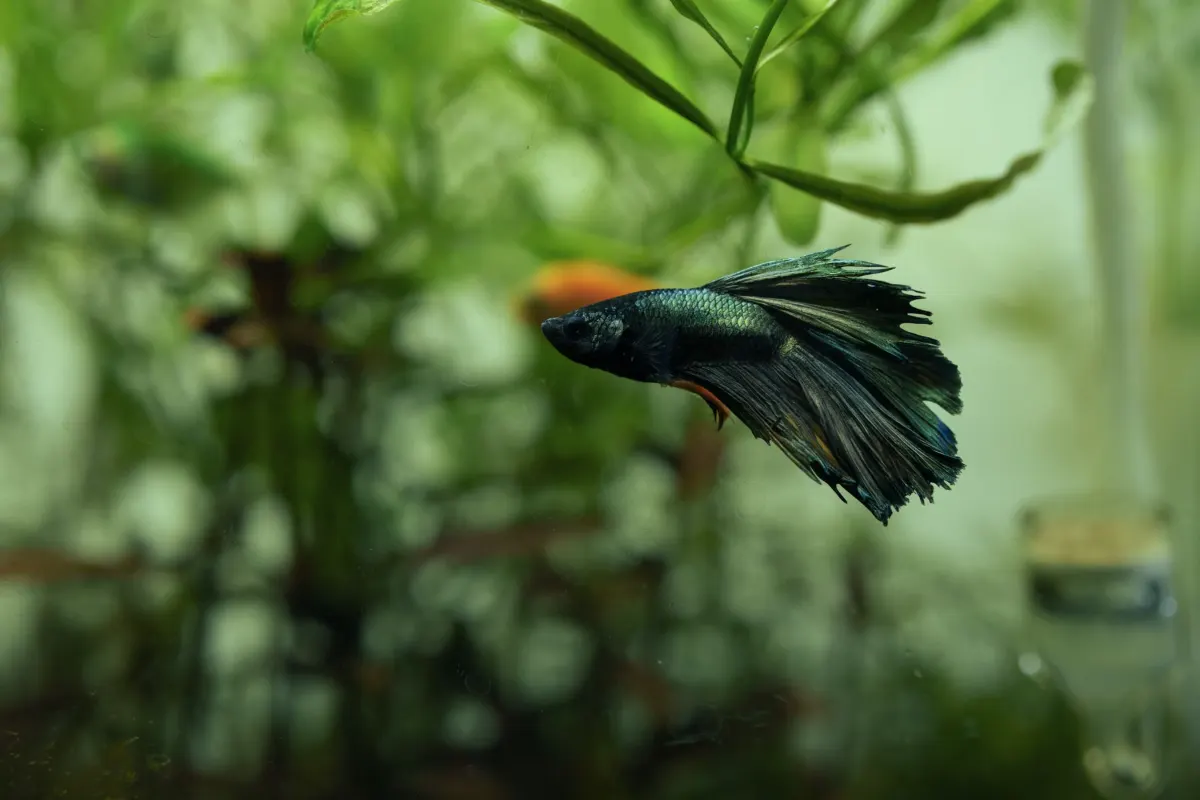
The best betta compatible fish share a peaceful temperament, short fins and dull colors. Long flowing fins look like a rival male to a betta, so flashy fancy fish invite attacks, flaring and constant chasing.
Avoid fin nipping species, because fin nippers shred tails. Choose bottom dwellers and mid-water swimmers over top dwellers. Bettas patrol the water column, breathe through a labyrinth organ, and need no competition for the surface.
Pick fast swimmers with a small adult size, ideally schooling fish or shoaling fish. They need a tropical temperature (76 to 81°F), pH 6.5 to 7.5, soft to moderately hard water and similar water parameters.
What Fish Can Live With Bettas by Tank Size
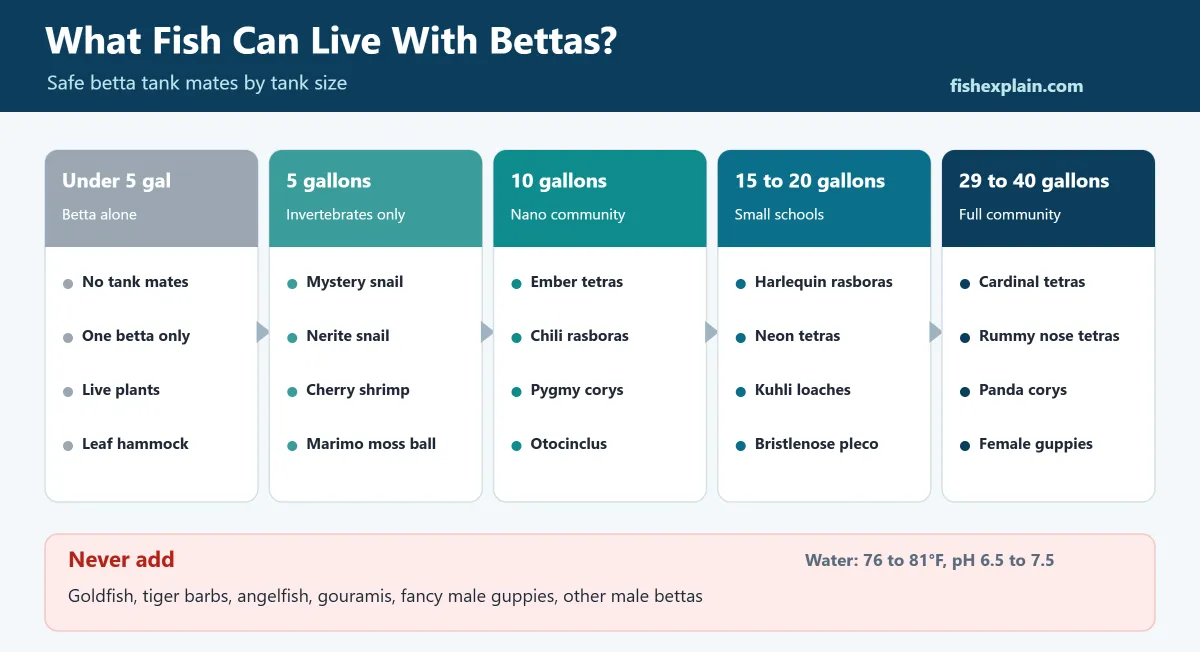
Under 5 gallons, a betta lives alone. A 5 gallon tank handles snails only or a shrimp colony. A 10 gallon tank opens the door to nano fish, small schooling fish and some bottom feeders.
A 15 gallon tank or 20 gallon long gives more swimming space, and footprint matters more than height. A horizontal tank spreads territories. A 29 gallon tank or 40 gallon breeder supports a full community.
Whatever the water volume, match stocking level to filtration and run a reliable heater. Overstocking spikes waste and aggression fast. Follow a stocking guide, add fish slowly, and leave your betta room to claim territory.
21 Safe Betta Tank Mates Compared
Our comparison table ranks each species by minimum tank size, temperature range, adult size and group size. Each fish gets a risk level, so you can match tank mates to your betta’s personality and tank.
| Tank mate | Min. tank (gal) | Temp (°F) | Adult size | Group size | Risk level | Care level | Diet | Lifespan |
|---|---|---|---|---|---|---|---|---|
| Mystery snail | 5 | 68 to 82 | 2 in | 1 or more | Low | Easy | Algae, leftovers | 1 yr |
| Nerite snail | 5 | 72 to 80 | 1 in | 1 or more | Low | Easy | Algae | 1 to 2 yr |
| Ramshorn snail | 5 | 70 to 80 | 1 in | Colony | Low | Easy | Algae, detritus | 1 yr |
| Malaysian trumpet snail | 5 | 70 to 82 | 1 in | Colony | Low | Easy | Detritus | 1 yr |
| Cherry shrimp | 5 | 72 to 80 | 1.5 in | 10 or more | Low | Easy | Biofilm, algae | 1 to 2 yr |
| Amano shrimp | 10 | 70 to 80 | 2 in | 3 or more | Low | Easy | Algae | 2 to 3 yr |
| Ghost shrimp | 10 | 72 to 80 | 1.5 in | 3 or more | Medium | Easy | Omnivore | 1 yr |
| Chili rasbora | 10 | 72 to 82 | 0.75 in | 8 or more | Low | Moderate | Micro foods | 4 to 6 yr |
| Ember tetra | 10 | 73 to 82 | 0.8 in | 6 or more | Low | Easy | Micro pellets | 2 to 4 yr |
| Espei rasbora | 10 | 73 to 82 | 1.2 in | 6 or more | Low | Easy | Flakes, micro pellets | 3 to 5 yr |
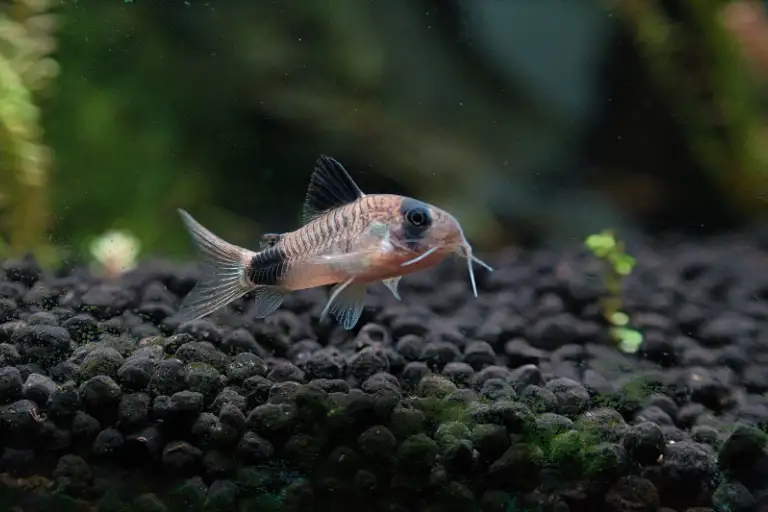
| Pygmy cory | 10 | 72 to 79 | 1 in | 6 or more | Low | Moderate | Sinking micro foods | 3 yr |
| Otocinclus | 10 | 72 to 79 | 1.5 in | 4 or more | Low | Moderate | Algae, wafers | 3 to 5 yr |
| Female guppy | 10 | 72 to 80 | 2 in | 3 or more | Medium | Easy | Flakes | 2 yr |
| African dwarf frog | 10 | 72 to 80 | 2.5 in | 2 or more | Medium | Moderate | Frozen foods | 5 yr |
| Neon tetra | 15 | 72 to 78 | 1.5 in | 6 or more | Low | Easy | Flakes, micro pellets | 5 yr |
| Harlequin rasbora | 15 | 72 to 80 | 2 in | 6 or more | Low | Easy | Flakes | 5 yr |
| Panda or albino cory | 15 | 72 to 78 | 2 in | 6 or more | Low | Easy | Sinking wafers | 5 yr+ |
| Cardinal tetra | 20 | 76 to 82 | 2 in | 6 or more | Low | Moderate | Flakes, frozen | 5 yr |
| Rummy nose tetra | 20 | 75 to 82 | 2 in | 6 or more | Low | Moderate | Flakes, frozen | 5 yr |
| Kuhli loach | 20 | 75 to 82 | 3.5 in | 5 or more | Low | Easy | Sinking foods | 10 yr |
| Bristlenose pleco | 20 | 72 to 80 | 5 in | 1 | Low | Easy | Algae wafers, veggies | 10 yr+ |
Every entry lists care level, typical diet and expected lifespan. Beginner friendly fish tolerate small mistakes. A high compatibility rating means the species rarely provokes bettas and rarely gets harassed by them in shared tanks.
Low risk choices include snails, cherry shrimp, ember tetras, pygmy corys and otocinclus. Medium risk options include female guppies, platys and ghost shrimp, because aggressive bettas sometimes chase them. Start with low risk picks first.
Best Invertebrate Tank Mates for Bettas
A mystery snail, nerite snail, Malaysian trumpet snail or ramshorn snail makes an easy companion. Each is an algae eater and cleanup crew member, eating leftover food and detritus. A hard snail shell blocks nips.
Ghost shrimp, cherry shrimp, Amano shrimp and bamboo shrimp add constant movement. Bettas often eat tiny shrimplets, so plant dense moss for cover. Shrimp are most vulnerable while molting, when soft shells make easy targets.
These invertebrates add almost no bioload, suiting small tanks perfectly. A Marimo moss ball adds harmless green decor needing no feeding. An African dwarf frog also works in 10 gallons, though it needs target feeding.
Best Fish Tank Mates for Bettas
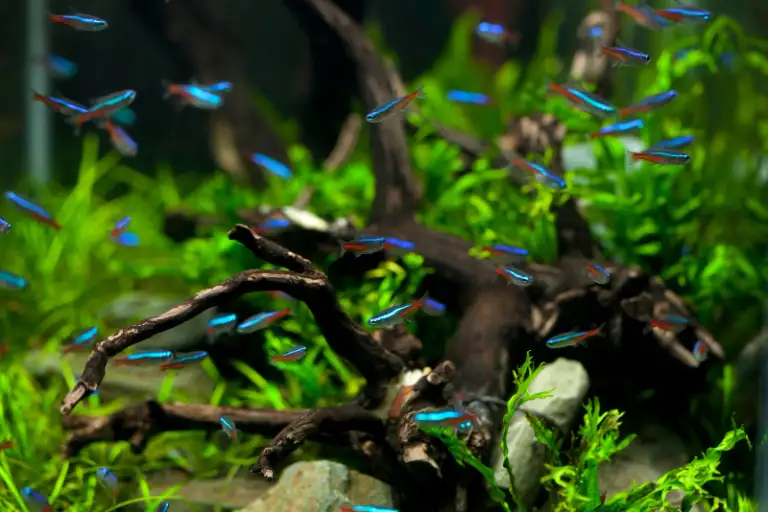
The ember tetra, neon tetra, cardinal tetra and rummy nose tetra stay small and peaceful. Keep each in a school of six or more. Groups feel secure and simply ignore bettas instead of nipping them.
The harlequin rasbora, chili rasbora and espei rasbora swim mid-water peacefully. On the bottom, choose corydoras catfish like the panda cory, pygmy cory or albino cory, plus otocinclus and kuhli loach groups fed sinking wafers.
A bristlenose pleco or clown pleco grazes algae quietly. As male betta fish tank mates, female guppies, feeder guppies, endler’s livebearer groups, the short fin molly and the platy suit larger tanks with short tails.
Fish to Never Keep With Bettas
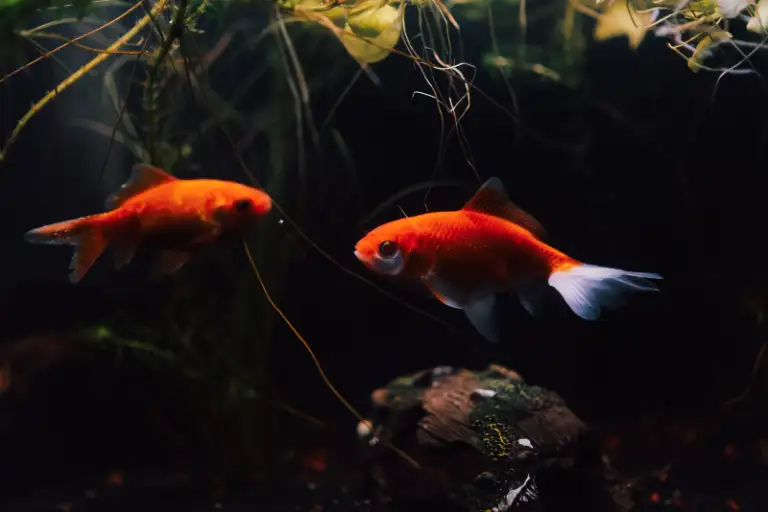
Goldfish are cold water fish, so the temperature mismatch rules them out. Tiger barbs, serpae tetras, black skirt tetras and silver tip tetras are fin nippers that leave bettas with torn fins and fin damage.
Angelfish, cichlids, gouramis and especially the dwarf gourami compete for surface territory. Paradise fish are close betta relatives with identical tempers. Fancy male guppies and other male bettas trigger constant flaring, fighting and serious injuries.
The red tail shark, clown loach and oscars grow large or turn aggressive. An oscar is a predator that will simply swallow a betta whole. Mismatched tank mates cause chronic stress and aggression, weakening immunity.
Female Betta Sorority Tank Mates
A betta sorority keeps several female bettas in one sorority tank. Start with five or more females so aggression spreads out. Fewer fish let one dominant female bully a single target until it gets injured.
Females quickly form a pecking order, and dominance displays are normal at first. Plan a 20 gallon minimum. Break every line of sight with dense plants, driftwood and caves, because blocked sight lines calm disputes.
Quarantine every new fish for two weeks. Choose same size females so no single fish dominates physically. Peaceful schooling tetras suit sororities well. If one female keeps attacking others, rehoming her protects the whole group.
How to Introduce Tank Mates to a Betta
Keep new arrivals in a quarantine tank first. Two weeks quarantine reveals hidden diseases before they spread. Then use drip acclimation for sensitive shrimp, or try floating the bag for twenty minutes to match temperatures.
Acclimation reduces shock, but placement matters more. Add tank mates first so they settle before the betta. If your betta already lives there, rearrange decor to reset territories, and add newcomers with the lights off.
Use a tank divider or breeder box during early observation. Watch at feeding time and during the first 48 hours. Keep a backup plan, including a spare tank, in case your betta rejects its neighbors.
Warning Signs and What to Do
Constant flaring, chasing and nipped fins signal trouble. Watch for clamped fins, hiding, loss of appetite, stress stripes and visible injuries on either fish. Persistent bullying means the setup has failed and needs immediate attention.
Remove the tank mate or separate the betta immediately with a tank divider. Do a water change, use a water testing kit to check ammonia, nitrite and nitrate. Poor water worsens aggression and slows healing.
Damaged fins can develop fin rot, so keep water spotless during recovery. A small dose of aquarium salt helps some freshwater fish heal, but avoid it with snails and shrimp, which are very salt sensitive.
Setting Up a Betta Community Tank
Start with a fully cycled tank. The nitrogen cycle grows beneficial bacteria that convert waste. A fishless cycle takes four to six weeks, but it protects every fish you add. Never rush this first step.
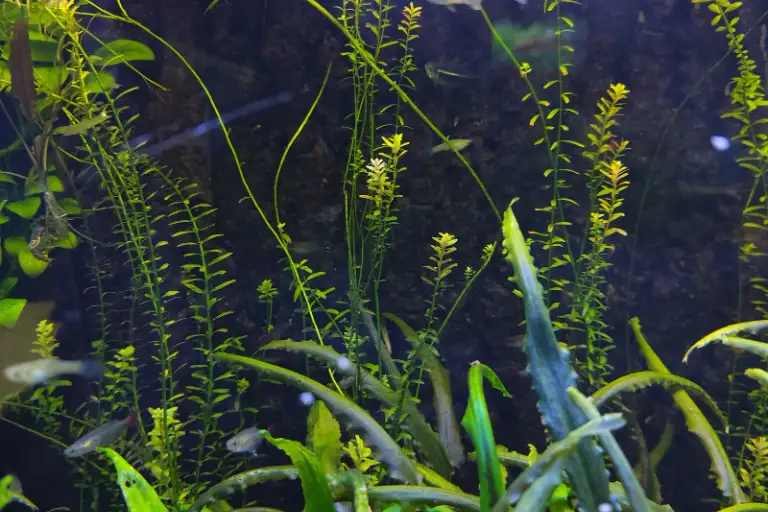
Choose a sponge filter or low flow filter, since bettas hate strong currents. Add an adjustable heater, thermometer, lid and sand substrate or similar substrate. Floating plants and Indian almond leaves add shade and tannins.
Weekly water changes matter, and a 25 percent water change keeps nitrates low. Add water conditioner or dechlorinator. Feed a varied diet of betta pellets, frozen bloodworms and brine shrimp on a consistent feeding schedule.
Frequently Asked Questions
Can Bettas Live With Goldfish?
No. Goldfish need cold water at 65 to 72°F; bettas need 76 to 81°F. These different temperature needs, plus a heavy bioload that spikes ammonia, rule them out. Slow swimmers with long fins invite nipping.
Can Betta Fish Live With Guppies?
Yes, female guppies work. Male guppies’ fancy tails and bright colors trigger attacks. Keeping betta fish with guppies needs 10 gallons, since guppies and betta both need space. Do betta fish eat guppies? Only fry.
Can Two Male Bettas Live Together?
No. Two male bettas are so territorial that constant flaring turns into a fight to the death. Use separate tanks or a solid tank divider. Wondering which betta fish can live together? Only females can.
Can Male and Female Bettas Live Together?
No. A male and female betta meet only for breeding, after weeks of conditioning. Once the male builds a bubble nest and spawning ends, within 12 to 24 hours, remove the female to prevent injuries.
Do Betta Fish Need Tank Mates?
No. Bettas are solitary fish and never feel loneliness. Can betta fish have tank mates? Yes, but enrichment matters more: a leaf hammock, plants for exploring, and brief mirror flaring exercise beat betta fish friends.
How Many Fish Can Live With a Betta in a 10 Gallon Tank?
A 10 gallon tank holds one betta, six ember tetras and a few snails, or four pygmy corys instead of tetras. Base stocking on bioload and filtration capacity, because overstocking quickly spikes ammonia and nitrite.