Types of Freshwater Fish: 40 Species by Family, With Facts
There are roughly 15,000 to 18,000 known species of freshwater fish, close to half of all fish species on Earth. The main types of freshwater fish include trout and salmon, bass and sunfish, perch and pike, catfish, carp and minnows, characins such as tetras and piranhas, cichlids, livebearers and labyrinth fish, plus ancient groups like gars and sturgeon. Below are 40 well known species sorted by family, with a quick fact for each.
The types of freshwater fish range from tiny neon tetras to river giants longer than a canoe. Freshwater covers only a small fraction of the planet, yet it holds an amazing share of fish diversity. Some of these fish are popular game and food fish, some are aquarium favorites, and some are living fossils that have changed little for millions of years.
This guide groups 40 common and well known freshwater fish by family, explains how scientists count them, and covers where freshwater fish live. If you want fish for a home aquarium specifically, our guide to the best freshwater fish for fish tanks focuses on species suited to tanks.
How Many Types of Freshwater Fish Are There?
Counts vary as new species are described every year, especially in tropical rivers. The Florida Museum of Natural History estimates about 15,300 freshwater species out of roughly 35,500 known fish, or about 43%. Conservation groups using newer databases put the total above 18,000, just over half of all fish species. North America alone has more than 800 freshwater species.
Why So Many Species in So Little Water?
Freshwater makes up a tiny part of Earth’s water, but rivers and lakes are split into separate basins. Fish in different basins evolve apart, which produces many local species. Over two thirds of freshwater fish belong to one large group that includes minnows, characins and catfishes.
Freshwater, Saltwater and Fish That Use Both
Most freshwater fish spend their whole lives in fresh water. A few move between habitats. Anadromous fish, such as salmon, hatch in rivers, grow at sea and return to fresh water to spawn. Catadromous fish, such as the American eel, do the reverse.
Types of Freshwater Fish by Family
The easiest way to understand freshwater fish is by family. Fish in the same family share body shape, habits and often habitat.
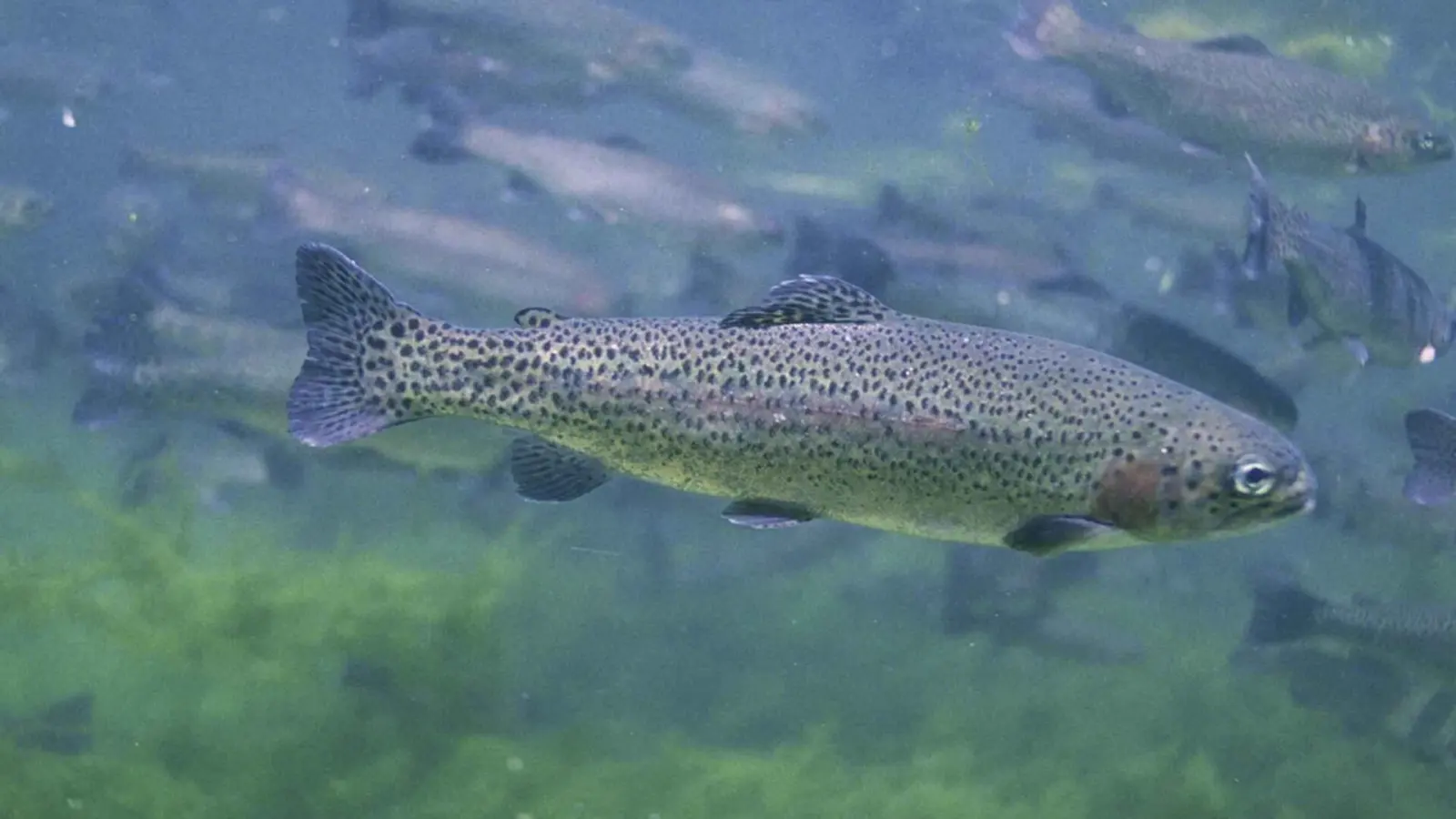
1. Trout, Salmon and Grayling (Salmonidae)
Salmonids need cold, clean, well oxygenated water. They are prized by anglers and are important food fish.
| Species | Quick Fact |
|---|---|
| Rainbow trout | Native to Pacific drainages of North America and stocked widely; sea run fish are called steelhead |
| Brown trout | Native to Europe and western Asia and introduced to North America in the late 1800s |
| Brook trout | Technically a char, native to cold streams of eastern North America |
| Chinook salmon | The largest Pacific salmon, born in rivers and grown at sea |
| Arctic grayling | Recognized by its tall, sail like dorsal fin; lives in cold northern waters |
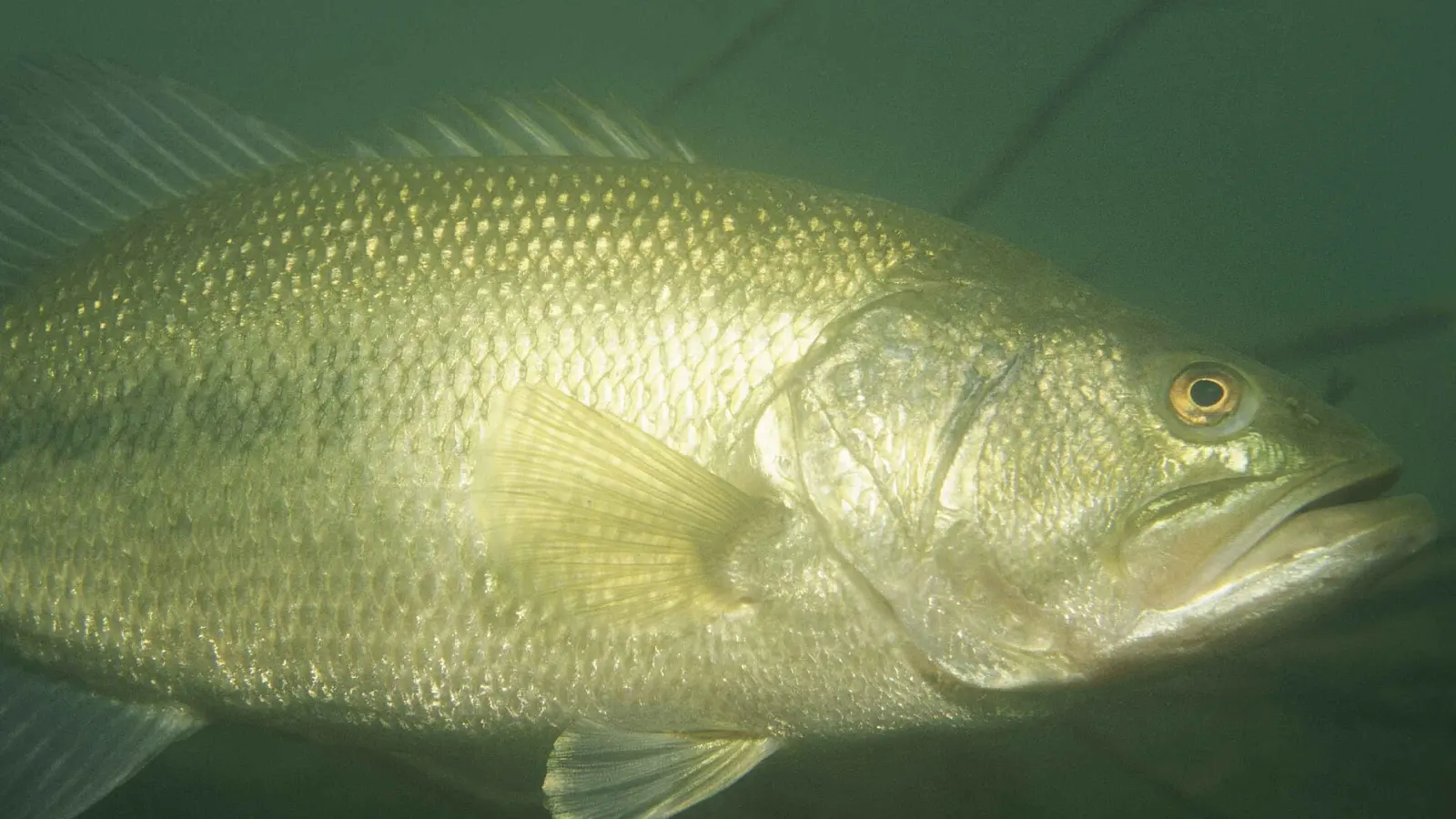
2. Bass and Sunfish (Centrarchidae)
This North American family includes many of the most popular warm water game fish. They live in lakes, ponds and slow rivers.
| Species | Quick Fact |
|---|---|
| Largemouth bass | An ambush predator of weedy lakes and one of the most popular US game fish |
| Smallmouth bass | Prefers cooler, clearer water with rocky bottoms |
| Bluegill | A small sunfish with a dark “ear” flap, common in ponds across the US |
| Black crappie | A speckled panfish that schools around submerged cover |
3. Perch, Walleye and Pike
Perch and walleye belong to the family Percidae, which also includes many small, colorful darters, while pike belong to Esocidae. Both are common in cool northern lakes and rivers.
| Species | Quick Fact |
|---|---|
| Yellow perch | Golden with dark vertical bars, common in northern US and Canadian lakes |
| Walleye | The largest North American perch, with reflective eyes that help it hunt in low light |
| Northern pike | A long, toothy ambush predator found across North America, Europe and Asia |
| Muskellunge | The largest member of the pike family, native to North America |
4. Catfish (Siluriformes)
Catfish are named for their whisker like barbels. The group is one of the largest in fresh water, from pocket sized aquarium fish to giants.
| Species | Quick Fact |
|---|---|
| Channel catfish | The most common catfish in the US and widely farmed for food |
| Blue catfish | The largest North American catfish, able to exceed 100 pounds |
| Flathead catfish | Has a broad, flattened head and hunts live prey |
| Wels catfish | One of the largest freshwater fish in Europe |
| Corydoras | Small armored catfish that are popular in home aquariums |
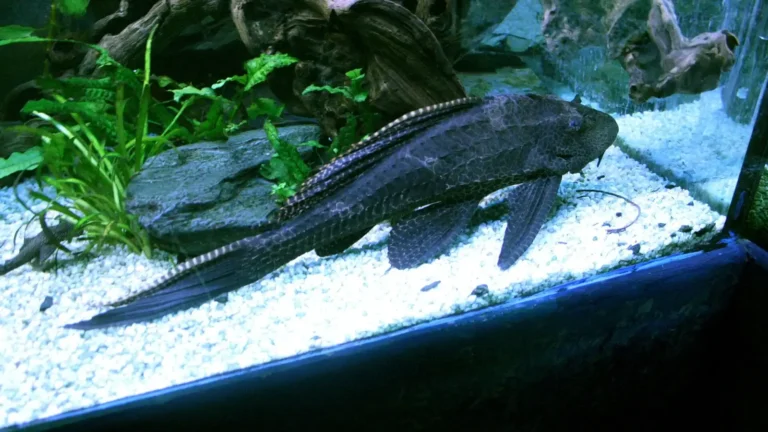
Plecos are catfish too. See our bottom feeder fish guide for aquarium catfish and other bottom dwellers.
5. Carp and Minnows (Cyprinidae and Relatives)
This is one of the largest fish families on Earth. Most species are small, but some carp grow very large.
| Species | Quick Fact |
|---|---|
| Common carp | Native to Europe and Asia and now widespread, and often invasive, in North America |
| Goldfish | Domesticated in China more than a thousand years ago from a wild carp |
| Fathead minnow | A common baitfish also used in water quality testing |
| Zebra danio | A hardy striped aquarium fish from South Asia |
6. Characins (Tetras and Piranhas)
Characins are mostly found in South America and Africa. Many have a small extra fin, called an adipose fin, between the dorsal fin and tail.
| Species | Quick Fact |
|---|---|
| Neon tetra | A tiny schooling fish from Amazon blackwater streams |
| Cardinal tetra | Like a neon, but its red stripe runs the full length of the body |
| Red bellied piranha | A schooling fish whose fearsome reputation is mostly exaggerated |
| Pacu | A piranha relative with flat, crushing teeth that can pass 2 feet long |
7. Cichlids (Cichlidae)
Cichlids are known for parental care and bright colors. African rift lakes alone hold hundreds of species. Our guide to cichlid fish types covers the group in depth.
| Species | Quick Fact |
|---|---|
| Freshwater angelfish | A tall, disc shaped cichlid from the Amazon basin |
| Oscar | A large, intelligent cichlid that learns to recognize its owner |
| Discus | Needs warm, soft water and stable conditions |
| Nile tilapia | Farmed around the world; females carry eggs and fry in their mouths |
8. Livebearers and Labyrinth Fish
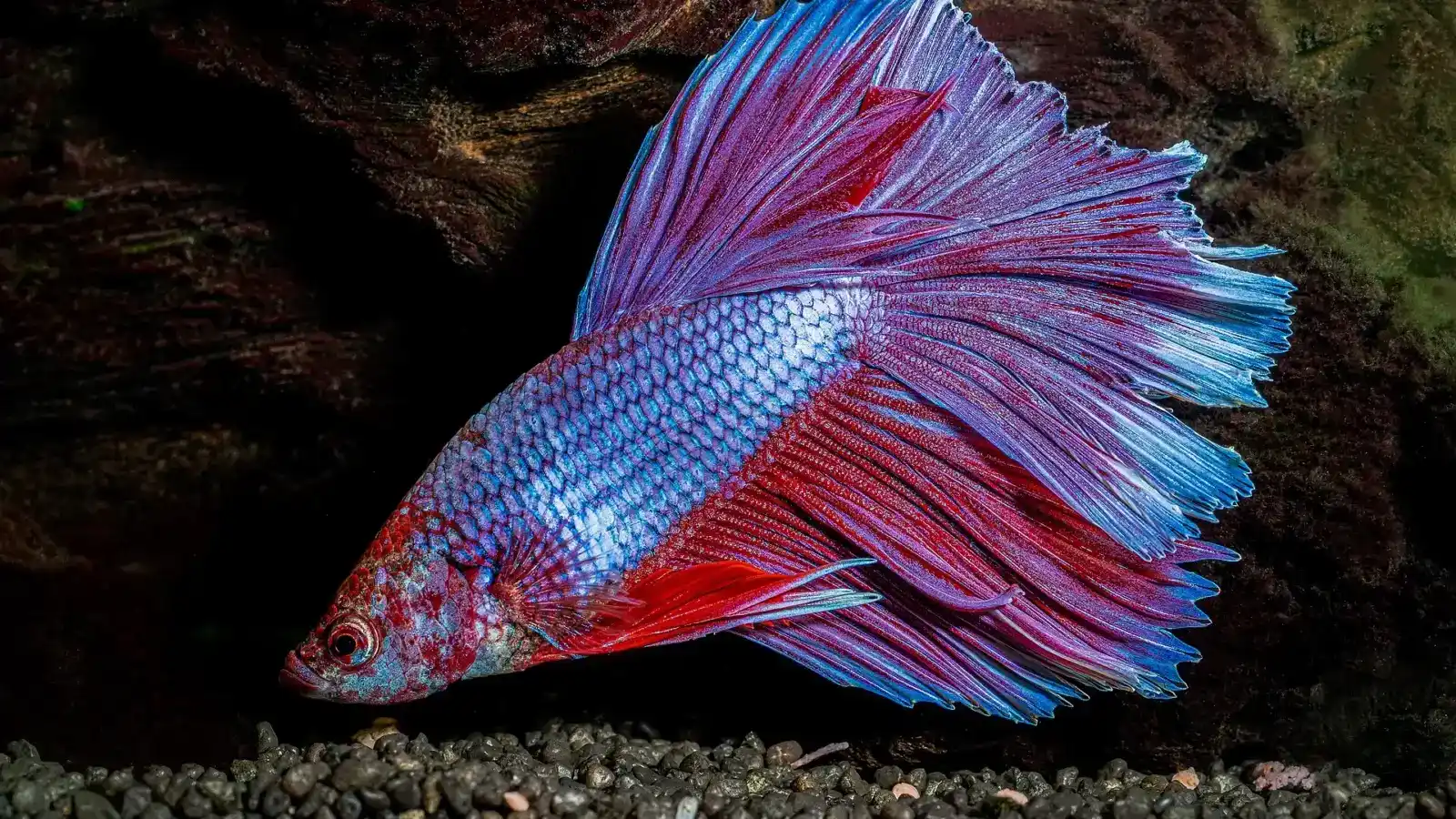
Livebearers give birth to free swimming young. Labyrinth fish have a special organ that lets them breathe air at the surface.
| Species | Quick Fact |
|---|---|
| Guppy | A colorful livebearer from northeastern South America and nearby islands |
| Molly | A livebearer that can also adapt to brackish water |
| Western mosquitofish | A small livebearer released in many countries to eat mosquito larvae |
| Betta | A labyrinth fish from Southeast Asia, famous for long fins |
| Dwarf gourami | A peaceful labyrinth fish from South Asia |
9. Ancient and Giant Freshwater Fish
Some freshwater fish belong to very old lineages that appear in the fossil record long before most modern fish.
| Species | Quick Fact |
|---|---|
| Alligator gar | A heavily armored predator that can exceed 6 feet and 200 pounds |
| Lake sturgeon | A bottom feeding giant that can live for more than 100 years |
| Paddlefish | Uses its long, paddle shaped snout to sense plankton in the Mississippi River basin |
| Arapaima | A South American giant that must rise to the surface to breathe air |
| American eel | Lives in rivers but travels to the Sargasso Sea to spawn |
For more unusual species, see our list of the rarest fish in the world.
Where Freshwater Fish Live
Cold Water and Warm Water Habitats
Trout, salmon and grayling need cold water that holds plenty of oxygen. Bass, sunfish, catfish and carp tolerate warmer lakes and ponds. Tropical rivers such as the Amazon and Mekong hold the greatest variety of species.
Rivers, Lakes and Wetlands
Fast rivers favor streamlined fish that hold their position in the current, such as trout and darters. Lakes support open water hunters like walleye and pike. Wetlands and floodplains are home to air breathing fish like bettas and arapaima, which cope with warm, low oxygen water.
Wild Freshwater Fish vs Aquarium Fish
Most freshwater fish sold for aquariums are small tropical species, many of them bred in captivity. Native game fish such as bass, pike and catfish grow far too large for home tanks, and many states regulate keeping wild caught fish. If you want an aquarium, start with hardy tank species. Our lists of tropical freshwater fish and coldwater aquarium fish are good places to begin.
Freshwater Fish as Food
Trout, catfish, perch, walleye and tilapia are all popular food fish. See our ranking of the best freshwater fish to eat for taste and cooking notes.
Threats to Freshwater Fish
Freshwater fish are among the most threatened animals on the planet. According to WWF, nearly one third of freshwater fish species face extinction, mostly because of dams, pollution, overfishing, invasive species and habitat loss. Large species have been hit hardest.
How Aquarium Keepers Can Help
- Never release aquarium fish or plants into local waters
- Buy captive bred fish when possible
- Follow local fishing rules and size limits
- Support clean water and river restoration groups
From backyard bluegill to Amazon tetras, the types of freshwater fish are as varied as the waters they live in. Learning their families makes it much easier to identify a new fish and understand what it needs.
Frequently Asked Questions
How many types of freshwater fish are there?
Scientists have described roughly 15,000 to 18,000 freshwater fish species, depending on how species are counted, and new ones are found every year.
What is the most common freshwater fish?
There is no single answer worldwide, but carp and minnows form one of the largest and most widespread fish families. In the US, bluegill, largemouth bass and channel catfish are among the most familiar.
What are the main groups of freshwater fish?
Major groups include trout and salmon, bass and sunfish, perch and pike, catfish, carp and minnows, characins, cichlids, livebearers, labyrinth fish and ancient fish such as gars and sturgeon.
What is the largest freshwater fish?
The giant freshwater stingray of Southeast Asia holds the record for the heaviest freshwater fish confirmed, at about 661 pounds. Arapaima, sturgeon and giant catfish also grow very large.
Can freshwater fish live in saltwater?
Most cannot, because their bodies are built to hold salt in and push extra water out. A few species, such as salmon, eels and some mollies, can move between fresh and salt or brackish water.
Keep exploring
 Aquarium Fish
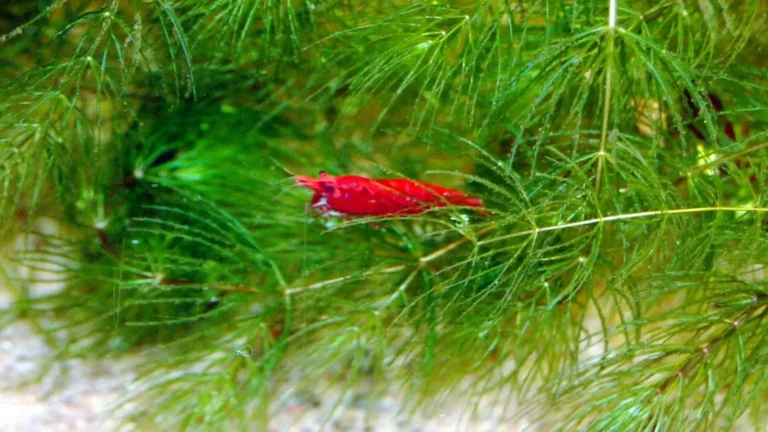
Cherry Shrimp Care: Tank Setup, Water Parameters and Breeding
Cherry shrimp care made easy: tank setup, ideal water parameters, feeding, molting, breeding and safe tank mates for a thriving colony.
 Aquarium Fish
Cheap Freshwater Fish: 15 Hardy Species That Cost Under $5
Cheap freshwater fish that stay hardy: 15 species under $5, with sizes, tank needs and a sample budget stocking plan for a…
 Aquarium Fish
Pleco Care Guide: Types, Tank Size and Feeding
Loricariidae (Ancistrus, Hypostomus, Pterygoplichthys and others)Pleco care made simple: how big plecos get, tank size by type, bristlenose care, diet, driftwood and tank mates, plus why common…