What Is a Fish Tank Cover and Do You Need One?
A fish tank cover is a lid, hood, screen or canopy that sits on top of an aquarium. Its main jobs are to stop fish from jumping out, slow down evaporation, keep heat in and keep dust, pets and small hands out of the water. Most freshwater tanks benefit from one, and for jumping species such as bettas, hatchetfish and killifish, a fish tank cover is the simplest way to prevent losses.
If you are still picking a tank, our fish tank buying guide explains sizes and styles. Many kits include a lid, but many standalone tanks do not, so it pays to plan the cover at the same time as the tank.
Why most aquariums benefit from a lid
Fish jump when they are startled, chased by tank mates or living in poor water. A lid turns a fatal jump into a bump on the glass. It also traps humid air, which keeps the water warmer and the room drier.
When an open top can work
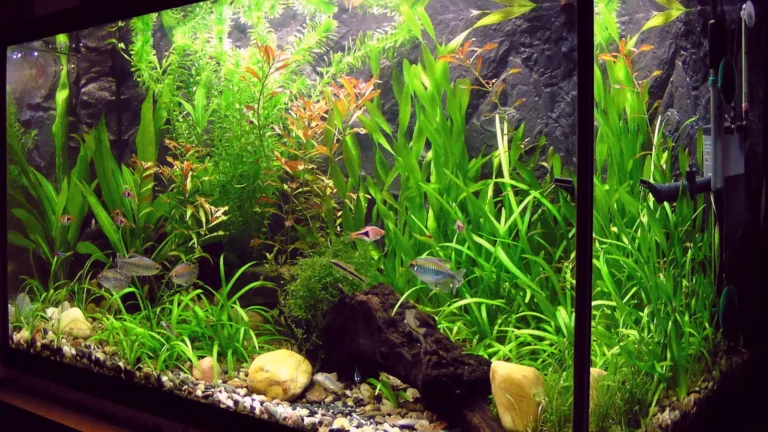
Open top tanks are popular for planted layouts and rimless designs because plants can grow above the surface. They work best with fish that rarely jump, a lowered water line and stable water quality. You will top off more often and spend more on heating.
Benefits of a Fish Tank Cover
A good fish tank lid solves several small problems at once. These are the main reasons keepers add one.
Stops jumping fish
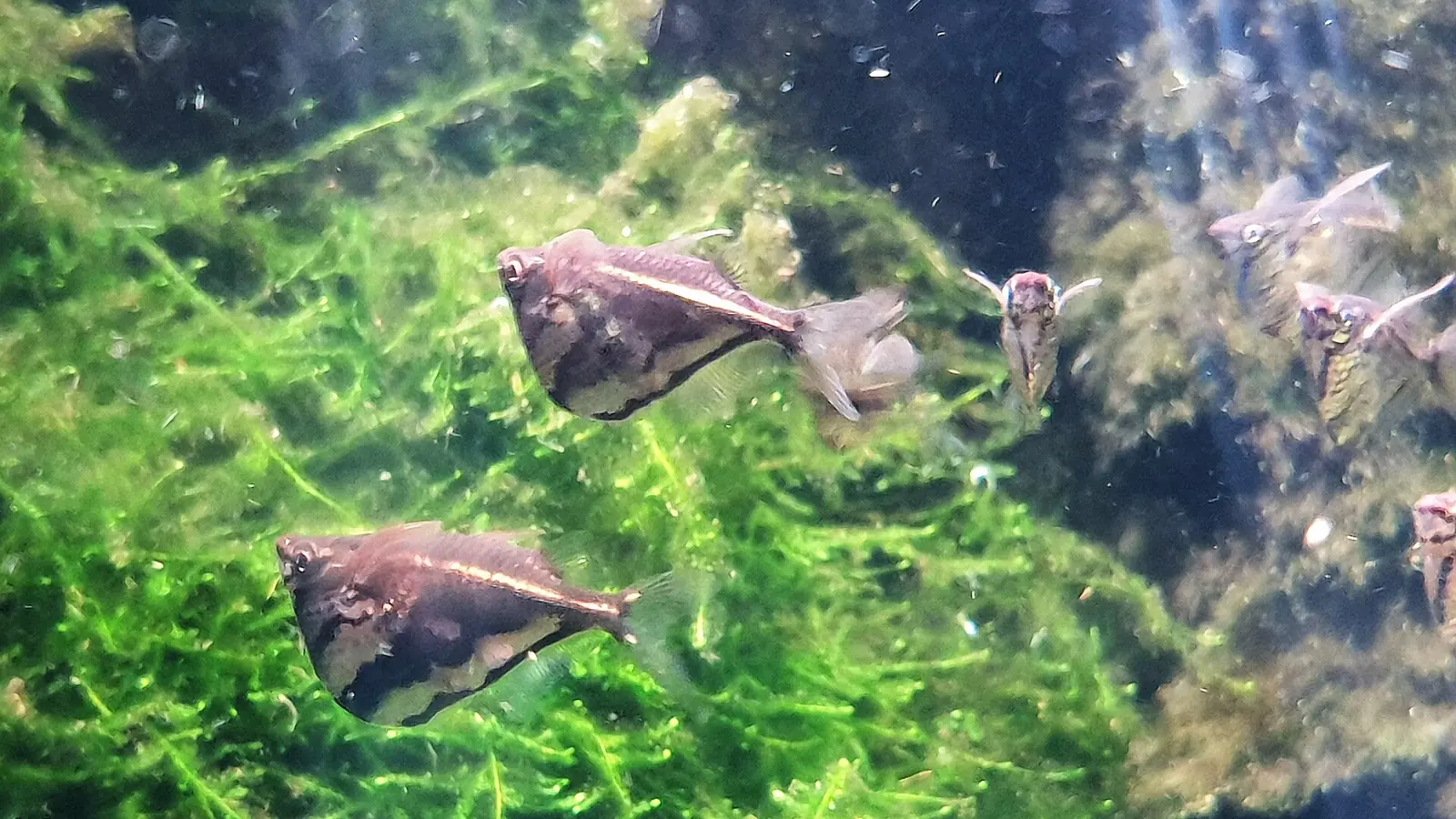
Some fish are natural jumpers. Hatchetfish leap to escape predators in the wild, killifish can jump out of shallow pools, and bettas will jump if the water is poor or the tank is busy. Ropefish, eels and other long fish also climb out through small gaps.
Cuts evaporation
Water evaporates from every open tank, and a warm tank in a dry room can lose a noticeable amount each week. Evaporation only removes pure water, so minerals stay behind and slowly build up between water changes. A lid slows this down, which keeps water chemistry steadier and means fewer top offs.
Holds heat and humidity
A covered tank loses less heat, so your fish tank heater runs less often. Bettas and gouramis also breathe air from the surface with their labyrinth organ, and a lid keeps the air just above the water warm and humid rather than cold and dry.
Keeps the tank and the room safer
Lids keep cats, curious kids and falling debris out of the water. They also catch splashes before they reach light fixtures or power strips, and they slow the white mineral crust that forms on rims and equipment.
Types of Fish Tank Covers
There are four main styles of fish tank cover, plus DIY options. Each suits a different kind of tank and budget.

Glass lids
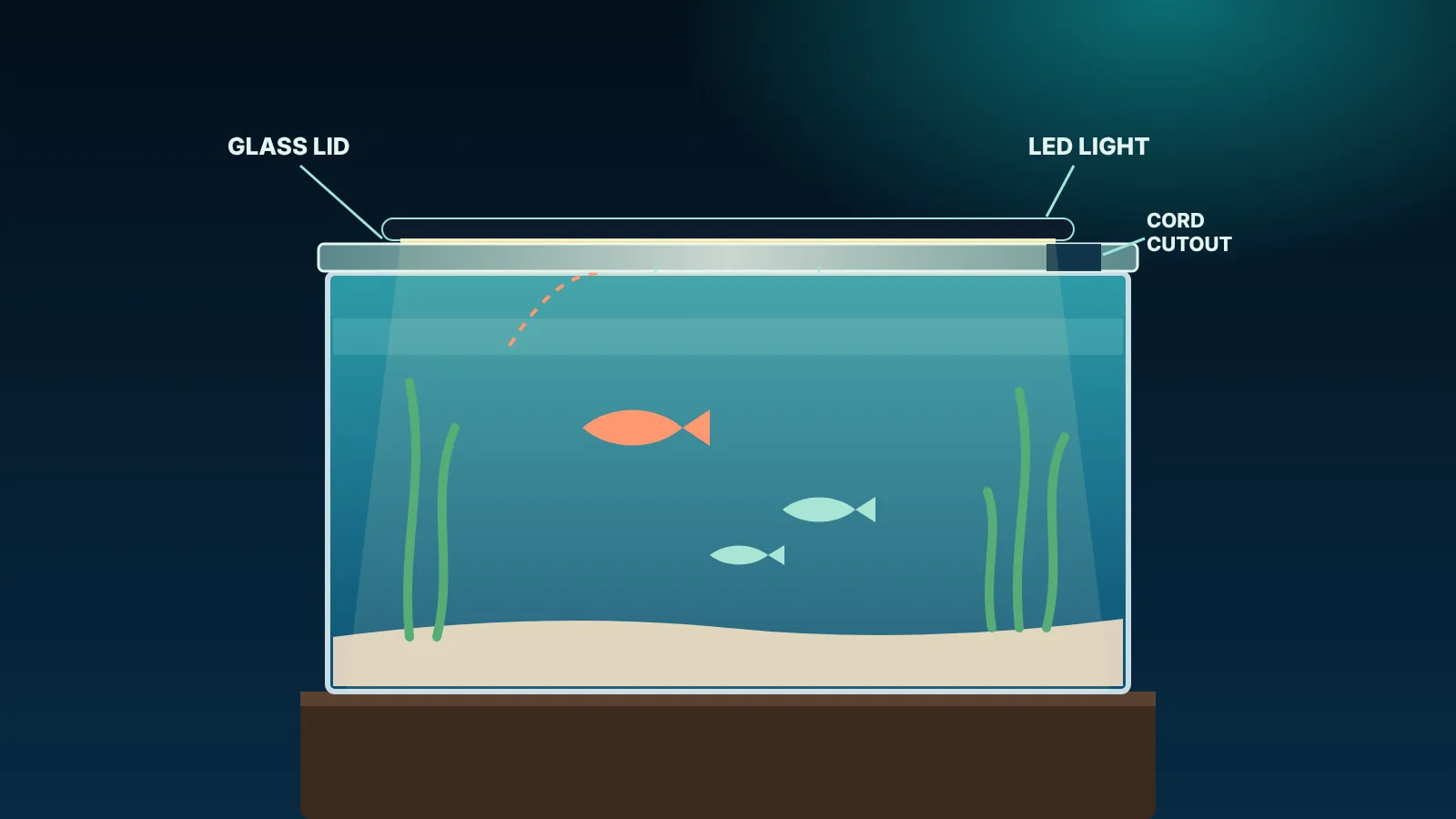
Glass lids are usually two hinged glass panels with a plastic strip at the back that you trim for filters and cords. They give the best control of evaporation, let light pass through to the tank and are easy to clean. They are heavier than plastic and can crack if dropped, and you need a separate light that sits on top.
Aquarium hoods
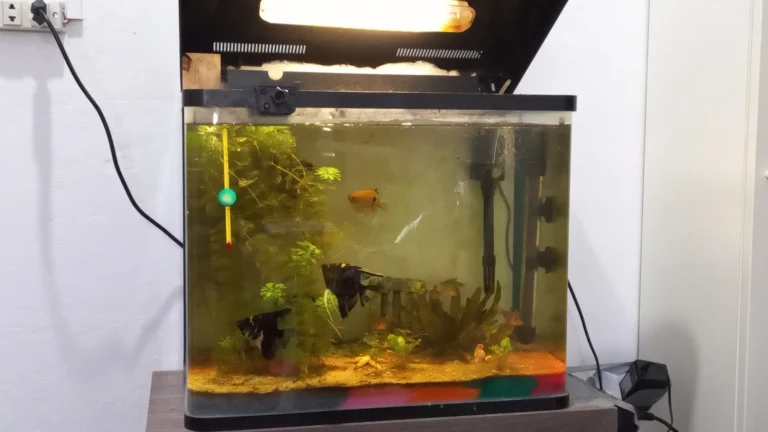
An aquarium hood is a plastic or wood shell with a built-in light and a feeding door. Hoods are common in starter kits because they cover the tank and the lighting in one piece. Older hoods with fluorescent tubes can run warm, while modern LED hoods stay cooler.
Mesh and screen lids
Mesh lids use fine netting or screen on a light frame. They let air move freely and pass plenty of light, which suits planted tanks and rimless aquariums. They stop jumpers well but do little for evaporation, so plan on topping off more often.
Canopies
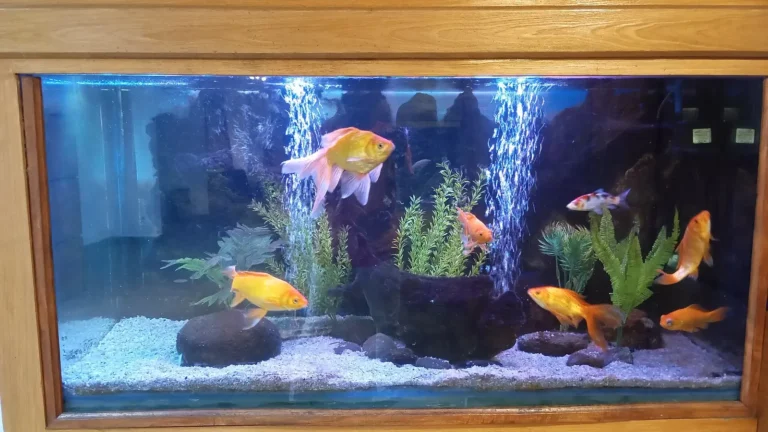
A canopy is a wood or composite cabinet that sits on top of the tank and matches the stand. It hides lights, pumps and wiring and gives the tank a furniture look. Canopies cost more and need ventilation so heat and moisture do not build up inside.
DIY covers
Many keepers make lids from clear acrylic sheet, polycarbonate or plastic egg crate light diffuser panels. Egg crate with fine mesh on top works well as a cheap, light cover for odd sized tanks. Use materials that are safe around water and smooth all cut edges.
Fish Tank Lid Comparison
This table sums up how each type of fish tank cover performs on the jobs that matter most.
| Cover type | Stops jumpers | Evaporation control | Light and airflow | Best for |
|---|---|---|---|---|
| Glass lid | Excellent | Excellent | Good light, low airflow | Most freshwater tanks |
| Hood | Excellent | Very good | Built-in light | Beginner kits |
| Mesh screen | Very good | Poor | Excellent | Planted and rimless tanks |
| Canopy | Excellent | Good | Needs vents | Display tanks with a matching stand |
| DIY egg crate and mesh | Good | Poor | Excellent | Odd sizes and tight budgets |
How to Choose a Fish Tank Cover
The right fish tank cover depends on the tank you own, the fish you keep and the gear that has to pass through the top.
Measure the tank correctly
Measure the inside of the top rim from left to right and front to back. Many lids are sold to fit standard tank footprints, so knowing your tank size makes shopping easier. Common US footprints are listed below.
| Tank | Typical footprint (L x W) |
|---|---|
| 10 gallon | 20 x 10 in |
| 20 gallon long | 30 x 12 in |
| 29 gallon | 30 x 12 in |
| 40 gallon breeder | 36 x 18 in |
| 55 gallon | 48 x 13 in |
| 75 gallon | 48 x 18 in |
Brands vary slightly, so always measure your own tank before you buy. Tanks with a center brace usually need a two piece lid.
Plan cutouts for equipment
Hang on back filters, heater cords, air lines and automatic feeders all need a gap. Glass lids have a trim strip for this. Keep gaps as small as you can, and fill spare space with foam or mesh if you keep jumpers or escape artists.
Match the lid to your fish
For a betta, a lid is a must. Our betta fish tank size guide explains why a 5 gallon tank with a lid beats a bowl. For hatchetfish, killifish, rainbowfish and danios, use a tight lid with no large gaps. For eels and ropefish, seal every opening, including cord holes.
Think about light and maintenance
If you grow plants, choose clear glass or mesh so light reaches the water. If you want easy feeding, pick a lid with a front flap or door. Glass is the easiest to keep clean, while mesh can sag over time on wide tanks.
Tips for Using a Fish Tank Lid
A lid works best when it is set up and cleaned with a little care.
Keep some gas exchange
A lid does not suffocate fish, but a sealed lid on a still tank can reduce oxygen exchange. Make sure your filter outlet ripples the surface, and leave a small gap at the back for air.
Clean condensation and mineral crust
Wipe the underside of glass lids during water changes. Mineral crust and algae block light, and drips can carry dust back into the water. Use a clean aquarium only sponge and plain water or a little white vinegar, then rinse well.
Keep water above the heater line
Even with a lid, check the water level each week. Many heaters have a minimum water line, and a low level can leave part of the heater exposed. A lid makes this less likely but does not remove the need to top off with treated water.
Fish Tank Cover FAQs
Do fish tanks need a lid?
Most do. A lid stops fish from jumping out, slows evaporation, holds in heat and keeps pets and debris out. Open top tanks can work with calm fish and a lowered water line, but they need more top offs and heating.
Can fish breathe with a lid on the tank?
Yes. Fish take oxygen from the water, and oxygen enters at the surface. As long as your filter ripples the surface and the lid is not airtight, a covered tank has plenty of gas exchange.
What is the best fish tank cover for a betta?
A glass lid or a hood works well for bettas. It stops jumping and keeps the air above the water warm and humid, which suits a fish that breathes from the surface.
Is a glass or plastic fish tank lid better?
Glass resists scratches, stays clear and controls evaporation best. Plastic is lighter and cheaper but can warp or yellow over time. For most tanks, glass is the better long term choice.
How do I cover a rimless aquarium?
Use a lid made for rimless tanks that rests on clear clips, or a fine mesh screen on a frame. Measure the outer glass edges, since rimless tanks have no inner rim to rest a lid on.
Final Thoughts
Choose the cover that fits your tank and fish
For most freshwater aquariums, a glass fish tank cover with a separate LED light is the best mix of safety, evaporation control and visibility. Choose a hood for an all in one beginner setup, mesh for planted or rimless tanks, and a canopy for a furniture style display. If you are planning a bigger setup, see our guides to large fish tanks and fish tanks with stands.