Freshwater Animals for a Fish Tank: Shrimp, Snails, Frogs and More
Freshwater Animals for a Fish Tank: Shrimp, Snails, Frogs and More
The best invertebrates and amphibians to keep with fish, what each one needs, and which animals are better kept on their own.
By Fish Explain Editorial TeamUpdated November 19, 20268 min read
Photo: UnknownM123 (CC0), via Wikimedia Commons (cropped)
The best freshwater animals for fish tank setups are cherry shrimp, Amano shrimp, nerite snails, mystery snails, African dwarf frogs and dwarf crayfish. Pair them with small, peaceful fish, keep water stable with some hardness for shells, avoid copper medications, and drip acclimate them slowly. Keep axolotls, large crayfish and most crabs out of community fish tanks.
On this page
Why Add Freshwater Animals to a Fish Tank?
Fish are only part of what a home aquarium can hold. Freshwater animals for a fish tank, such as shrimp, snails, frogs and dwarf crayfish, add movement at every level of the tank, help clean up algae and leftover food, and bring a new kind of behavior to watch. Many of these aquatic freshwater animals are small, peaceful and easy to keep when you match them with the right fish.
This guide covers the most popular freshwater invertebrates for an aquarium, plus a few amphibians, with notes on tank size, water needs and compatibility. If you are still choosing fish, start with our list of the best freshwater fish for fish tanks.
Quick comparison
| Animal | Adult size | Care level | Safe with community fish? |
|---|---|---|---|
| Cherry shrimp | About 1 inch | Easy | Yes, with small peaceful fish |
| Amano shrimp | About 2 inches | Easy | Yes |
| Ghost shrimp | About 1.5 inches | Easy | Yes, but may pick at tiny fish |
| Nerite snail | About 1 inch | Easy | Yes |
| Mystery snail | About 2 inches | Easy | Yes |
| African dwarf frog | About 1.5 inches | Moderate | Only with slow, small fish |
| Dwarf crayfish | About 1.5 inches | Moderate | Yes, with mid and top level fish |
| Axolotl | 9 inches or more | Advanced | No, keep alone |
Freshwater Shrimp for Aquariums
Shrimp are the most popular freshwater invertebrates for an aquarium. They graze on biofilm and algae all day and stay small, so they suit nano tanks as well as larger community setups.
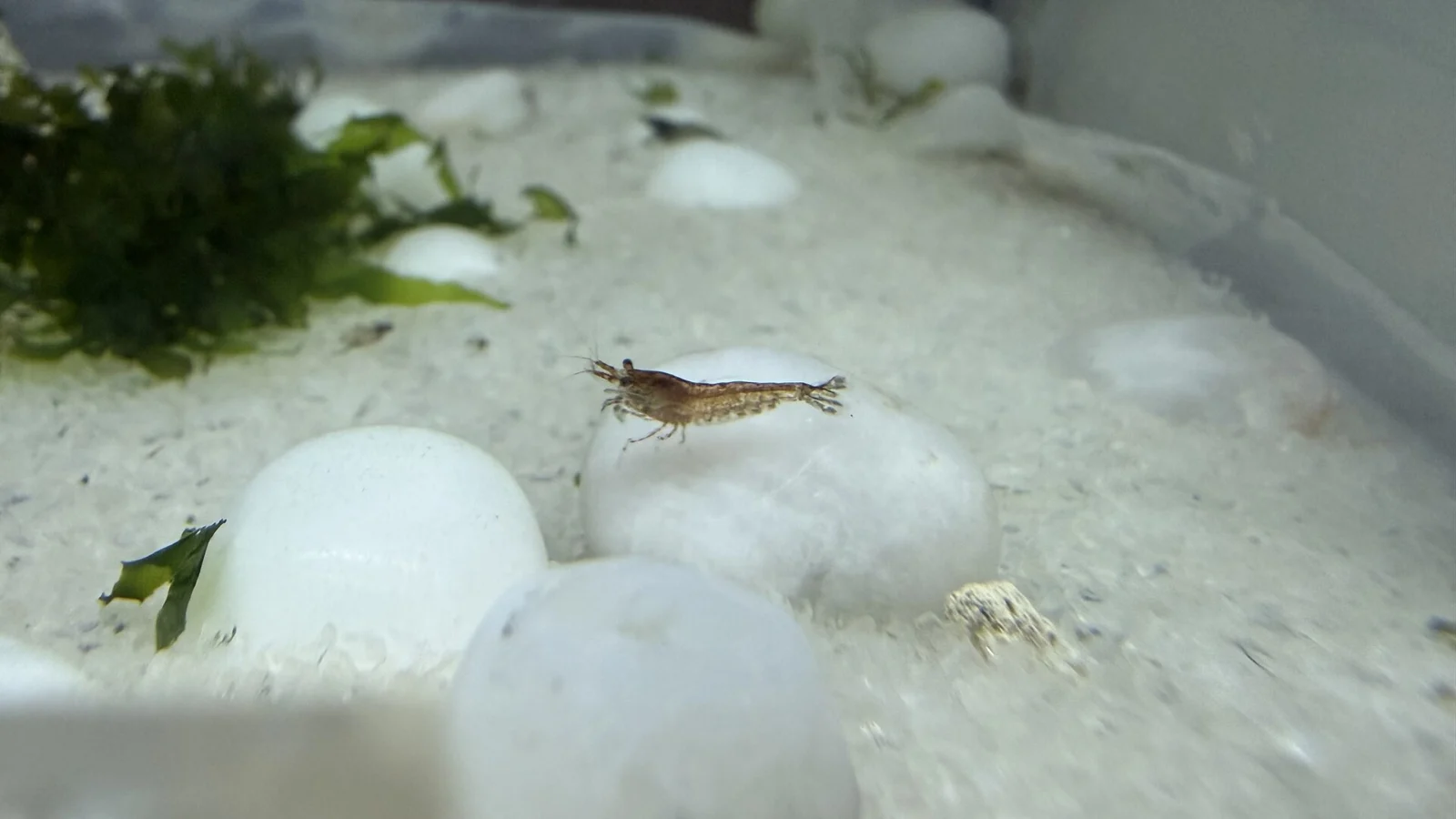
Cherry shrimp
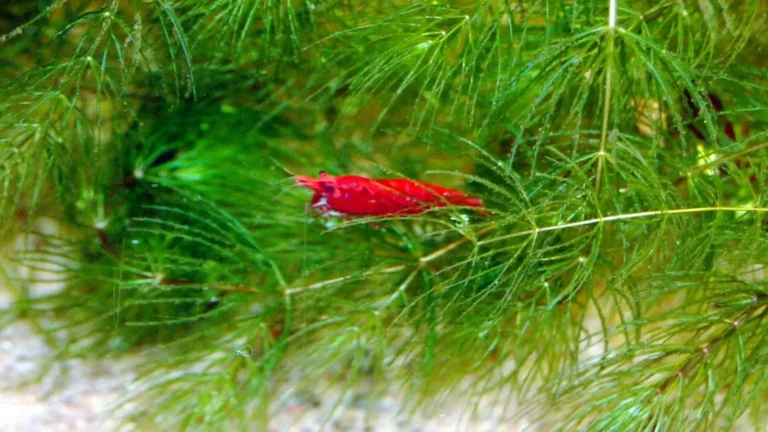
Cherry shrimp (Neocaridina davidi) are the classic beginner shrimp. They come in red, blue, yellow, orange and green color lines and breed readily in a planted tank. They prefer stable water around 68 to 78 °F and a pH of roughly 6.5 to 8.0. Adult fish such as guppies will eat baby shrimp, so dense moss helps a colony grow. Our full cherry shrimp care guide covers water parameters, molting and breeding.
Amano shrimp
Amano shrimp (Caridina multidentata) are larger, clear to gray shrimp known as excellent algae eaters. They are hardy and tolerate a wide range of community tanks. Their larvae need brackish water to develop, so they will not build a colony in a normal freshwater tank, which some keepers see as a benefit.
Ghost shrimp
Ghost shrimp are cheap, see through scavengers often sold as feeder animals. They are fun to watch but can be short lived when bought from feeder tanks, and larger ones may pick at very small fish or fry.
Aquarium Snails
Aquarium snails eat algae, soft decaying plant matter and leftover food. Some species stay at a set number in your tank, while others breed quickly, so choose with care. If you would rather add fish that work the bottom of the tank, see our list of the best bottom feeder fish.
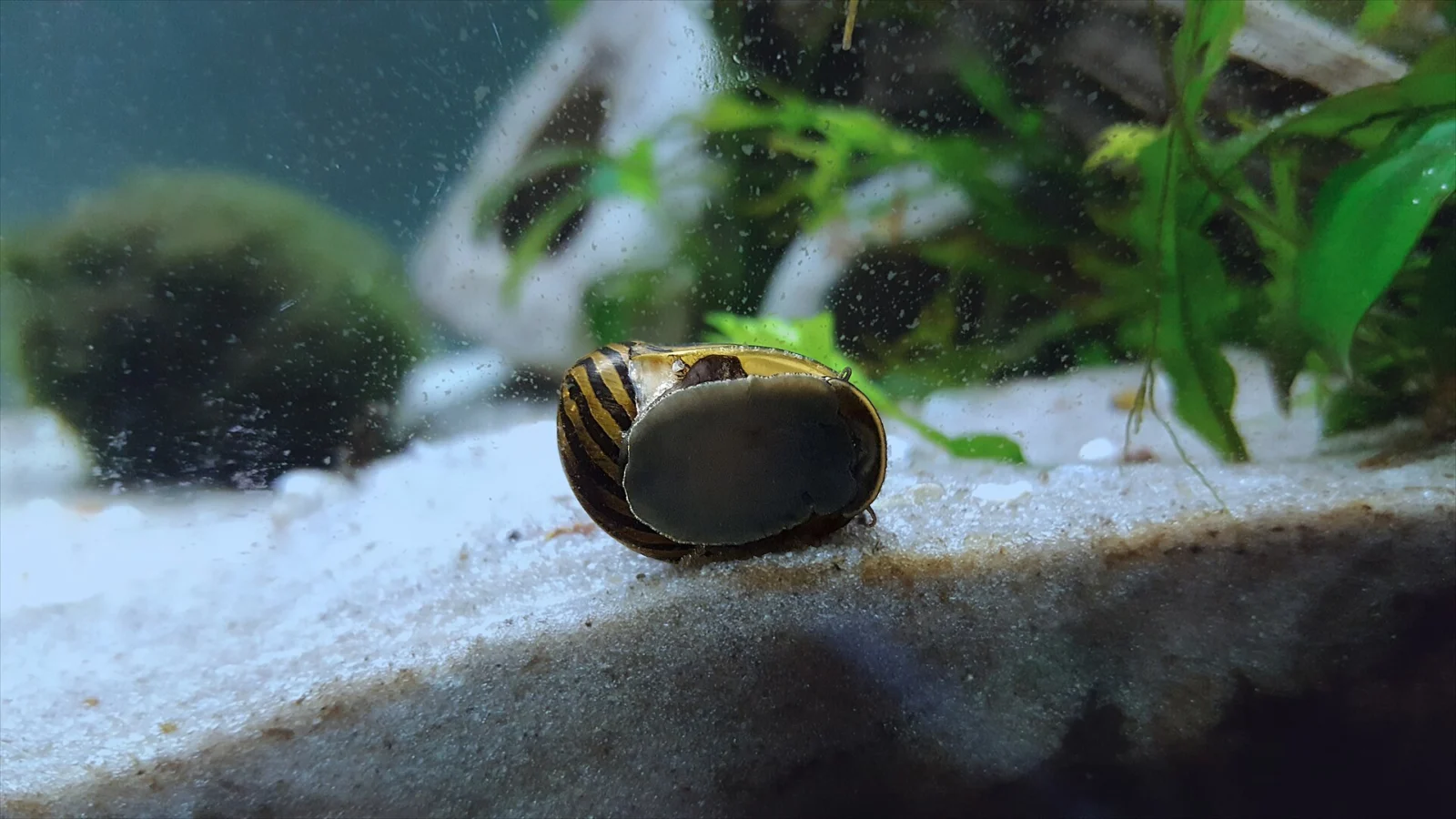
Nerite snails
Nerite snails are among the best algae eating snails for glass, rocks and leaves. They come in patterns such as zebra, tiger and horned. They lay small white eggs on hard surfaces, but the eggs do not hatch in fresh water, so nerites cannot overrun your tank.
Mystery snails
Mystery snails (Pomacea diffusa) are large, colorful snails with a long breathing tube they raise to the surface. They lay pink egg clutches above the waterline, so a gap under the lid and a tight cover are both important. Remove clutches you do not want to hatch.
Ramshorn, bladder and Malaysian trumpet snails
These small snails often arrive on live plants. They are harmless and help clean, but they breed quickly when food is plentiful. Malaysian trumpet snails burrow into sand and help keep it loose. If numbers explode, feed less.
Assassin snails
Assassin snails eat other snails. They are a natural way to control a pest snail population, but they will also attack nerites and mystery snails, so do not mix them with snails you want to keep.
Aquatic Frogs for a Fish Tank
Only fully aquatic frogs belong in a fish tank. Many pet store frogs need land, so check the species before you buy.
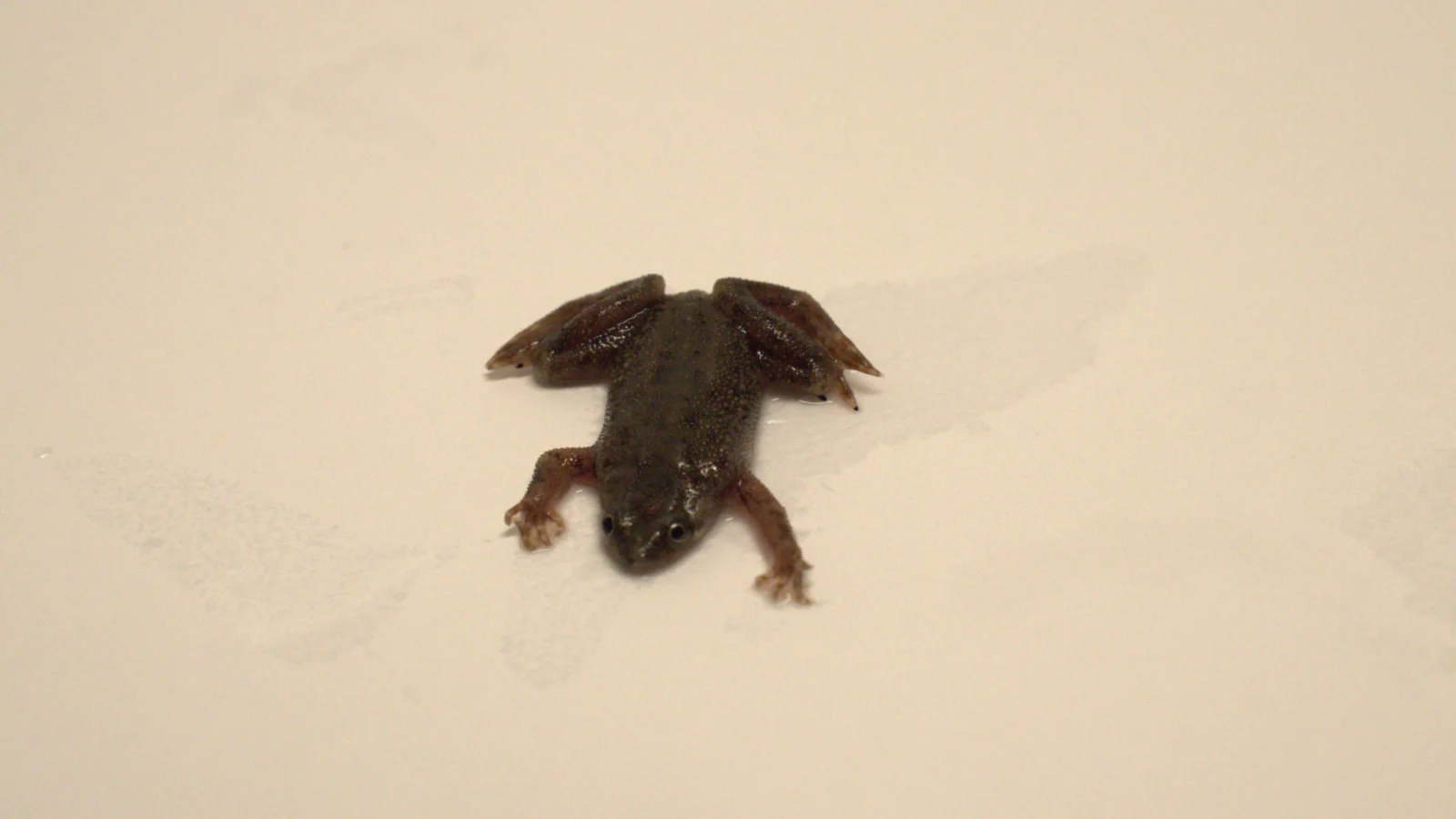
African dwarf frogs
African dwarf frogs (Hymenochirus species) live their whole lives underwater and swim to the surface to breathe. They are slow, nearly blind feeders, so they need sinking foods such as frozen bloodworms placed near them. Keep them with small, calm fish and keep the water level reasonable so they can reach the surface easily. A tight lid is essential.
African clawed frogs are different
African clawed frogs look similar when young but grow much larger and will eat small fish. They are also restricted in some states. Make sure you know which frog you are buying.
Hygiene with frogs
Amphibians can carry Salmonella. The CDC linked an outbreak that sickened people in 42 states to African dwarf frogs and advised washing hands after touching the frogs, their water or equipment, and keeping these frogs away from children under 5. You can read the details in the CDC outbreak report.
Crayfish and Crabs
Dwarf crayfish
Dwarf crayfish, such as the Mexican dwarf orange crayfish (Cambarellus patzcuarensis), stay small and are much safer with fish than full size crayfish. Give them caves and plenty of hiding places, especially after a molt when their shell is soft.
Large crayfish
Large crayfish are clever hunters that catch sleeping fish and dig up plants. They are best kept alone. Some species are invasive and banned or restricted in certain states, so check local rules.
Freshwater crabs
Most crabs sold for aquariums, including red claw crabs, need a land area to climb out and some need brackish water. They tend to escape and do not fit a standard fish tank. Unless you set up a proper paludarium, it is better to skip them.
Axolotls and Other Animals to Keep Alone
Axolotls
Axolotls are fascinating aquatic salamanders, but they need cold water around the low to mid 60s °F, which is too cold for tropical fish. Fish also nip their gills, and the axolotl may try to eat small fish. Give them their own tank. Axolotls are illegal to keep in some US states, including California, so check local law.
Freshwater clams and mussels
Clams filter tiny particles from the water and usually starve in a clean home aquarium. When one dies it can foul the tank quickly. They are best avoided.
How to Choose the Right Freshwater Animals
Match the water
Shrimp and snails need stable water with some hardness to build shells. Very soft, acidic water can lead to shell damage and failed molts. Check your levels with our chart of aquarium water parameters.
Match the fish
Any fish with a mouth big enough will try to eat shrimp. Calm nano fish, otocinclus and corydoras are good matches for invertebrates, while cichlids, large gouramis and loaches often are not. If you keep a betta, our guide to what fish can live with bettas lists safe snails and shrimp. For unusual fish that also pair well with invertebrates, see our list of cool freshwater fish.
Watch out for copper
Many fish medications contain copper, which is toxic to shrimp and snails. Read labels carefully and treat sick fish in a separate tank when invertebrates are present.
Add them the right way
Invertebrates are sensitive to sudden changes in water chemistry. Drip acclimate shrimp and snails slowly, as shown in our guide on how to acclimate fish.
Feeding Shrimp, Snails and Frogs
Many people assume clean up animals live on leftovers alone. In a clean, well run tank there is often not enough waste to keep them healthy, so plan to feed them on purpose.
Shrimp
Shrimp graze on biofilm all day, but they also benefit from a small piece of shrimp pellet, algae wafer or blanched vegetable such as zucchini or spinach a few times a week. Remove uneaten food after a few hours so it does not foul the water.
Snails
Snails eat algae and soft plant matter. If algae is scarce, offer algae wafers or blanched vegetables. A calcium source, such as crushed coral or cuttlebone, helps keep shells strong.
African dwarf frogs
Frogs need meaty foods such as frozen bloodworms or brine shrimp, offered with a feeding tong or in a small dish so faster fish do not steal everything. Feed small amounts several times a week and watch to make sure each frog actually eats.
Dwarf crayfish
Crayfish eat almost anything, including sinking pellets, vegetables and frozen foods. Feeding them well also makes them less likely to hunt fish or chew plants.
Freshwater Animals for Fish Tank FAQs
What animals can live in a fish tank besides fish?
Popular choices include cherry shrimp, Amano shrimp, nerite snails, mystery snails, African dwarf frogs and dwarf crayfish. Each needs water and tank mates that suit its size and temperament.
Can shrimp live with fish?
Yes, as long as the fish are small and peaceful. Larger fish will eat shrimp, and most fish eat baby shrimp, so plenty of plants and moss help them survive.
Which aquarium snails will not overpopulate?
Nerite snails are the safest choice because their eggs do not hatch in fresh water. Mystery snails only breed if you leave their egg clutches above the waterline.
Can frogs live with fish?
Fully aquatic African dwarf frogs can live with small, calm fish. Avoid African clawed frogs and any frog that needs land, and wash your hands after handling frog tank water.
Can axolotls live in a fish tank with fish?
It is not recommended. Axolotls need much colder water than tropical fish, fish may nip their gills and the axolotl may eat small fish, so they should have their own tank.
Final Thoughts
Build a balanced tank
The best freshwater animals for a fish tank are the ones that match your fish and your water. Cherry and Amano shrimp, nerite and mystery snails, African dwarf frogs and dwarf crayfish all work well in the right setup, while axolotls, large crayfish and most crabs are better kept on their own. Start small, keep water stable and you will enjoy a livelier, cleaner aquarium.
Keep exploring
More fish guides

Keep exploring
 Aquarium Fish
Cherry Shrimp Care: Tank Setup, Water Parameters and Breeding
Cherry shrimp care made easy: tank setup, ideal water parameters, feeding, molting, breeding and safe tank mates for a thriving colony.
 Aquarium Fish
Cheap Freshwater Fish: 15 Hardy Species That Cost Under $5
Cheap freshwater fish that stay hardy: 15 species under $5, with sizes, tank needs and a sample budget stocking plan for a…
 Aquarium Fish
Types of Freshwater Fish: 40 Species by Family, With Facts
Types of freshwater fish explained: 40 species across trout, bass, catfish, carp, cichlid, perch and more, with quick facts and where each…