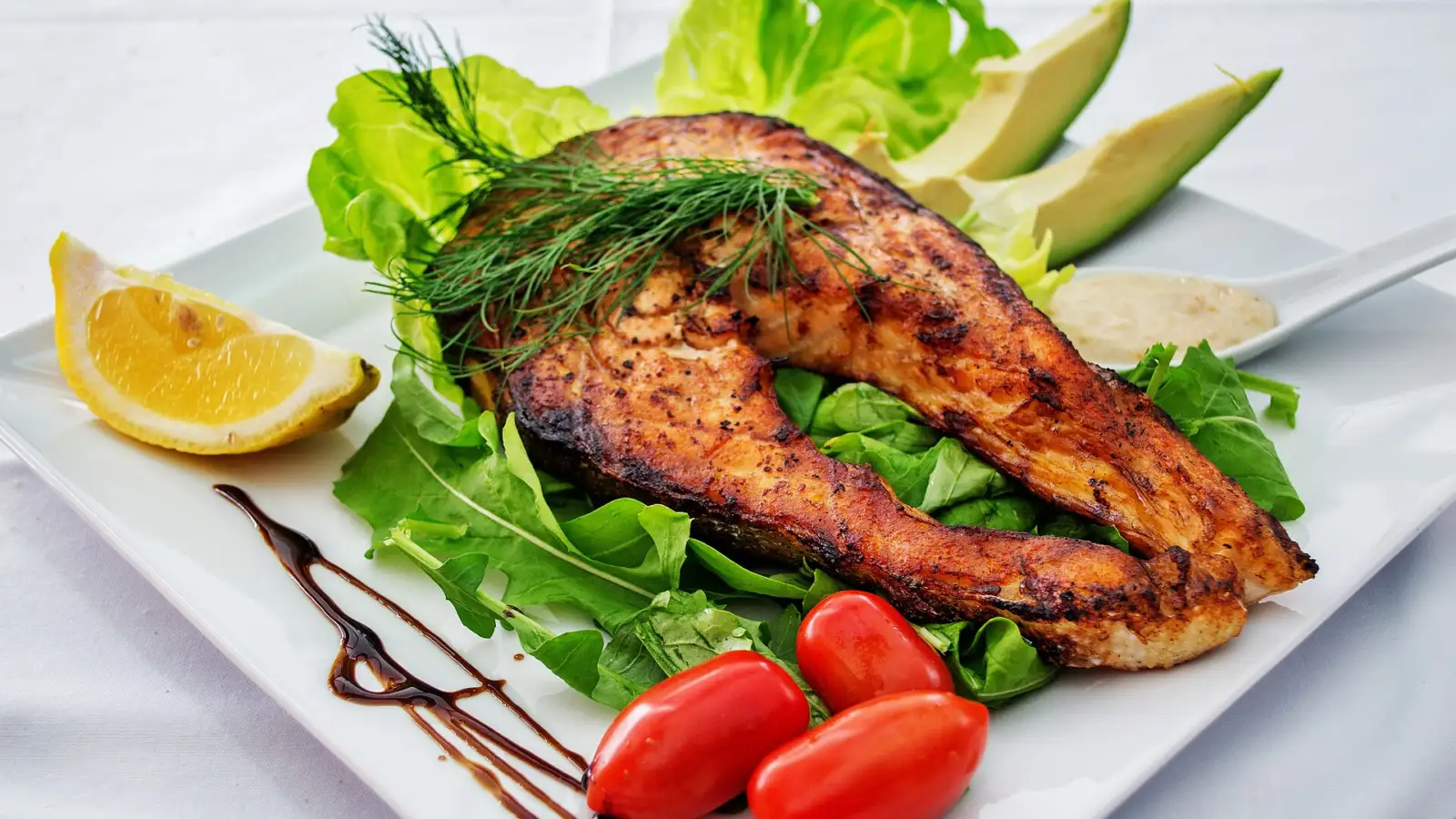
Healthiest Fish to Eat: A Nutrition Guide to Choosing Seafood
The healthiest fish to eat are oily fish that are rich in omega-3 fats and low in mercury, such as salmon, sardines, Atlantic mackerel, herring, anchovies and freshwater trout. The FDA and EPA advise most adults to eat 2 to 3 servings a week from their Best Choices list, with one serving equal to 4 ounces, and to avoid high mercury fish such as swordfish, shark, king mackerel and bigeye tuna.
The healthiest fish to eat combine three things: plenty of omega-3 fats, high quality protein and low levels of mercury. Oily fish like salmon and sardines tick every box, while lean white fish like cod and pollock are a light, affordable everyday option.
This guide ranks the best choices, explains what makes a fish healthy, shows which species to limit or avoid and covers how much fish to eat each week based on current US government advice.
What Makes a Fish Healthy to Eat?
Fish is one of the most nutrient dense proteins you can buy. Most species provide complete protein with little saturated fat, along with vitamin D, vitamin B12, selenium and iodine. What separates the healthiest choices from the rest comes down to two factors.
Omega-3 Fatty Acids
Oily fish are the richest food source of the long chain omega-3 fats EPA and DHA. These fats support heart health and brain development, which is why the American Heart Association recommends two servings of fish a week, especially fatty fish. Lean white fish contain far less omega-3, though they are still a healthy protein. Our guide to fish high in omega-3 ranks the top choices by EPA and DHA content.
Low Mercury Levels
Mercury builds up in fish over time, so large, long lived predators carry the most. Small fish that feed low on the food chain, such as sardines and anchovies, contain very little. Our guide to the lowest mercury fish covers this in more detail.
Sustainability and Sourcing
How a fish is caught or farmed affects both the environment and, in some cases, quality. Look for well managed wild fisheries or responsibly farmed fish, and buy from sellers who can tell you where the fish came from.
The 10 Healthiest Fish to Eat
These picks all appear on the FDA and EPA Best Choices list, and each offers a strong mix of protein, healthy fats and nutrients.
| Fish | Omega-3 Level | Mercury | Best Way to Eat |
|---|---|---|---|
| Salmon | High | Low | Baked, grilled or canned |
| Sardines | High | Very low | Canned on toast or salads |
| Atlantic mackerel | High | Low | Grilled or smoked |
| Herring | High | Low | Pickled, smoked or grilled |
| Anchovies | High | Very low | In sauces, salads and pizza |
| Freshwater trout | Moderate to high | Low | Pan fried or baked |
| Pollock | Low | Low | Baked, in fish tacos |
| Cod | Low | Low | Baked or poached |
| Tilapia | Low | Low | Pan seared |
| Canned light tuna | Moderate | Low | Salads and sandwiches |
1. Salmon
Salmon is the most popular oily fish in the US for good reason. Both wild and farmed salmon are high in omega-3 fats and protein, and both sit on the FDA Best Choices list. Canned salmon with soft bones adds calcium too.
2. Sardines
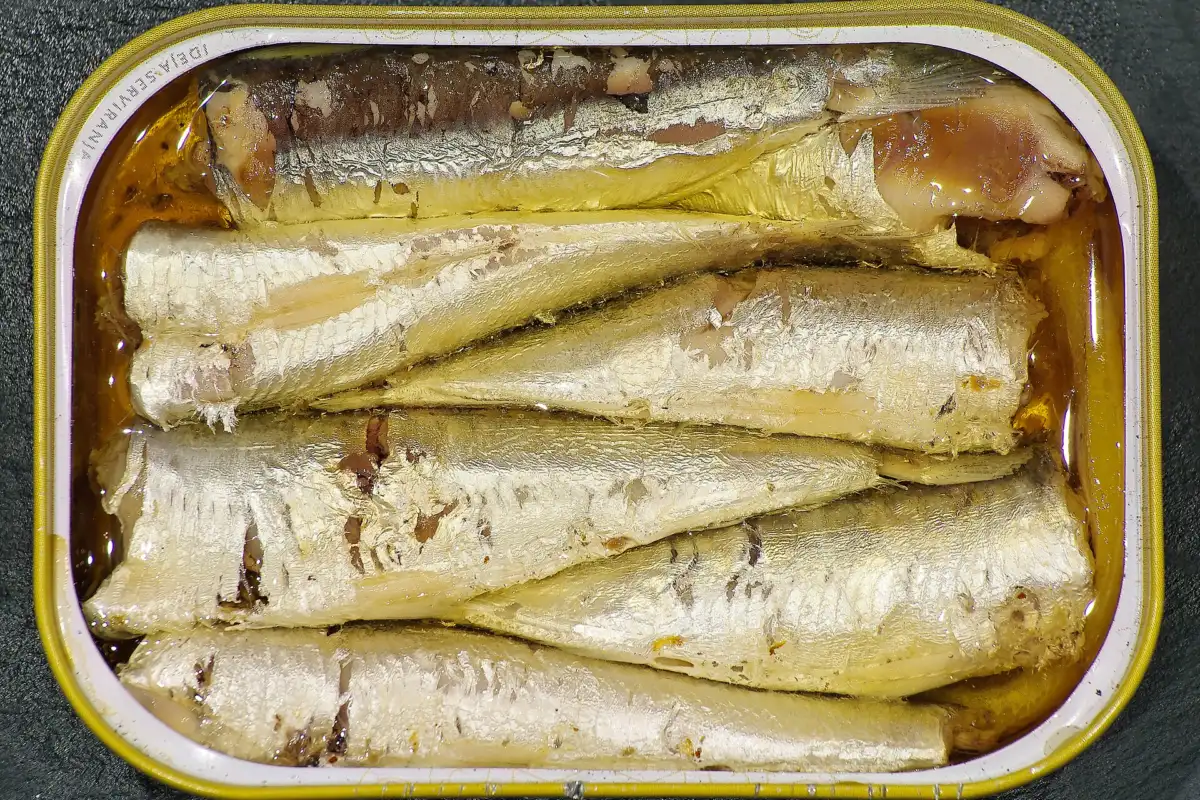
Sardines are small, cheap and among the most nutritious fish you can buy. Canned sardines with the bones in provide omega-3 fats, calcium and vitamin D, and their short lives mean very little mercury.
3. Atlantic Mackerel
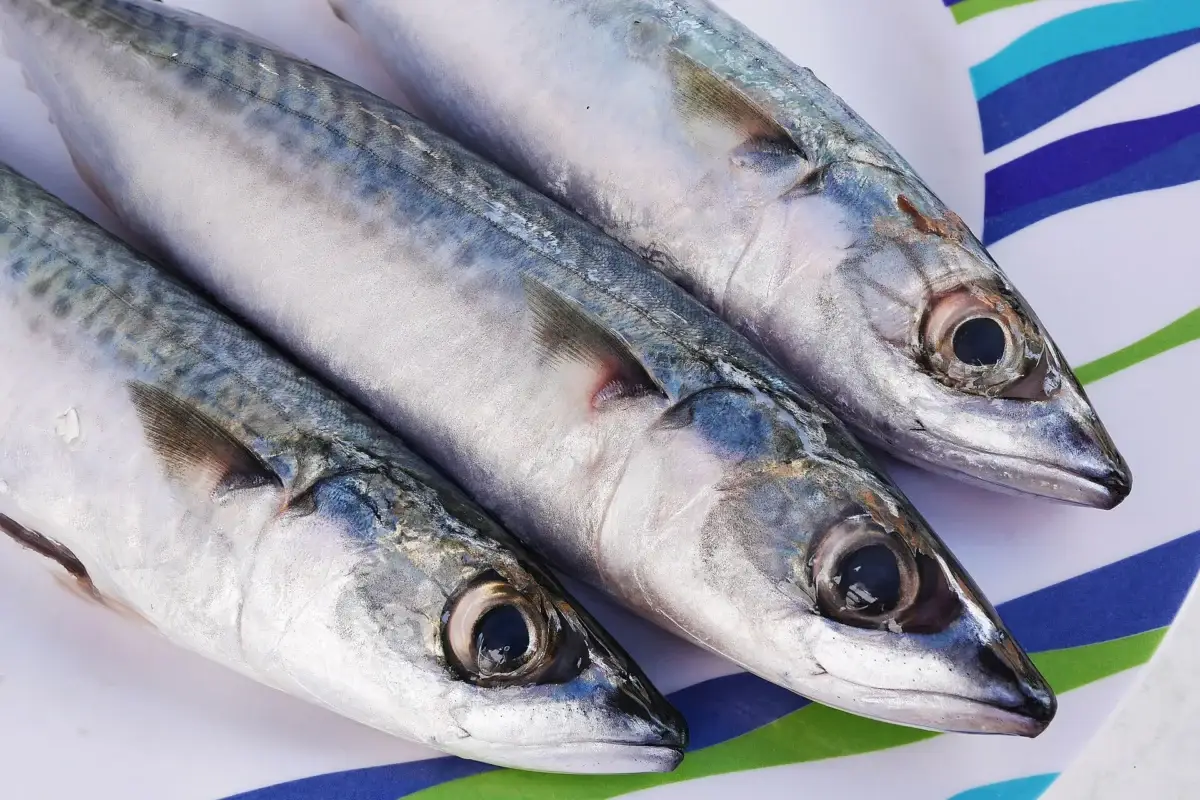
Atlantic mackerel is rich, flavorful and high in omega-3 fats. Do not confuse it with king mackerel, which is a much larger fish on the FDA list of choices to avoid because of its high mercury.
4. Herring
Herring is a staple in northern Europe, often sold pickled or smoked. It is high in omega-3 fats and vitamin D. Smoked and pickled versions can be high in salt, so balance them with fresh fish.
5. Anchovies
Anchovies pack a lot of flavor and omega-3 into a tiny fish. A few fillets add depth to sauces, dressings and pasta. Canned anchovies are salty, so a little goes a long way.
6. Freshwater Trout
Farmed rainbow trout is mild, easy to cook and a good source of omega-3 fats. It is a smart choice if you want something lighter than salmon. If you prefer lake and river fish, our ranking of the best freshwater fish to eat compares trout, walleye, perch and more.
7 to 10. Lean White Fish
Pollock, cod, tilapia and canned light tuna are lower in fat but still provide lean protein with low mercury. They work well for people who prefer a mild taste. If you are comparing budget white fish, our guide to basa vs swai fish explains the differences.
Fish to Limit or Avoid
The FDA and EPA divide commercial fish into three groups based on mercury: Best Choices, Good Choices and Choices to Avoid.
Good Choices: Eat Once a Week
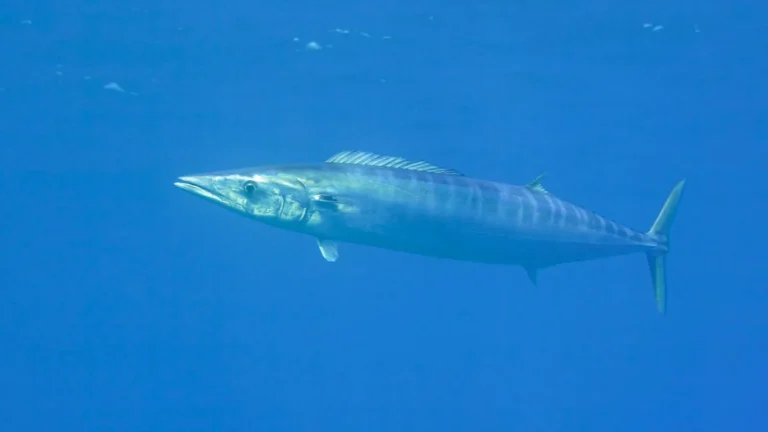
Fish such as halibut, mahi mahi, snapper, grouper, albacore tuna and yellowfin tuna contain more mercury than Best Choices. The advice is to eat one serving a week from this group instead of two or three from the Best Choices list. Many people also enjoy game fish such as wahoo, which is best eaten in moderation.
Choices to Avoid
King mackerel, marlin, orange roughy, shark, swordfish, tilefish from the Gulf of Mexico and bigeye tuna have the highest mercury levels. The FDA advises avoiding them, especially for pregnant people and young children.
How Much Fish Should You Eat Each Week?
According to the FDA and EPA advice about eating fish, the Dietary Guidelines for Americans recommend that adults eat at least 8 ounces of seafood a week. One adult serving is 4 ounces, about the size of your palm.
Adults
Most adults should aim for 2 to 3 servings a week from the Best Choices list, or 1 serving from the Good Choices list.
Pregnant and Breastfeeding People
Fish is recommended during pregnancy because it supports a baby’s brain development. The advice is 8 to 12 ounces a week, or 2 to 3 servings, from a variety of lower mercury fish. Avoid the highest mercury species and raw or undercooked fish.
Children
Children should eat fish from the Best Choices list about twice a week in smaller portions. FDA serving sizes are about 1 ounce for ages 1 to 3, 2 ounces for ages 4 to 7, 3 ounces for ages 8 to 10 and 4 ounces from age 11.
How to Cook Fish the Healthy Way
The way you cook fish matters as much as the species you choose. Deep frying adds a lot of fat and calories, while gentle methods keep the fish moist and nutritious.
Best Cooking Methods
- Baking or roasting with lemon, herbs and a little olive oil
- Grilling oily fish such as salmon and mackerel
- Poaching or steaming lean white fish
- Using canned fish in salads, wraps and pasta
Cook to a Safe Temperature
Cook fish to an internal temperature of 145°F, or until the flesh is opaque and flakes easily with a fork. This is the USDA safe minimum and protects against foodborne illness.
Healthy Fish on a Budget
Eating healthy fish does not have to be expensive. Some of the most nutritious choices are also the cheapest at the grocery store.
Canned and Tinned Fish
Canned sardines, mackerel, salmon and light tuna cost far less than fresh fillets and keep for months in the pantry. They are already cooked, so they work for quick lunches, pasta, rice bowls and salads.
Frozen Fillets
Frozen pollock, cod, tilapia and salmon portions are usually cheaper than fresh fish at the counter. Thaw them overnight in the fridge and cook them the same way you would fresh fillets.
Buying Whole Fish
Whole fish such as trout or mackerel often cost less per pound than fillets. Ask the counter staff to clean and gut the fish for you, then roast or grill it whole.
Building Fish Into Your Week
The easiest way to reach two or three servings is to plan them. Try one oily fish dinner, such as baked salmon or grilled mackerel, one lean white fish meal like fish tacos, and one quick canned fish lunch. Rotating species also spreads out your intake of any contaminants and keeps meals interesting.
Fresh, Frozen or Canned?
All three can be healthy. Frozen fish is often frozen soon after catch and keeps its nutrients well. Canned salmon, sardines and light tuna are affordable and convenient. Choose canned fish packed in water or olive oil, and check the label for salt. Fresh fish should smell clean and mild, never sour or strongly fishy.
Smart Shopping Tips
- Look for firm, shiny flesh and clear eyes on whole fish
- Buy frozen fillets that are vacuum sealed without ice crystals
- Rotate species through the week for variety
- Choose canned fish with bones for extra calcium
Healthiest Fish to Eat: The Bottom Line
For most people, the healthiest fish to eat are small to medium oily fish such as salmon, sardines, mackerel, herring and anchovies, backed up by lean white fish for variety. Aim for two to three 4 ounce servings a week, cook them simply and steer clear of the few high mercury species. If you are curious about the animals themselves, read whether fish are mammals or what fish eat in the wild, and browse more food guides in our Fish as Food section.
Frequently Asked Questions
What is the healthiest fish to eat?
Salmon, sardines, Atlantic mackerel, herring and anchovies are among the healthiest because they are high in omega-3 fats and low in mercury.
How often should you eat fish?
The FDA and EPA advise most adults to eat 2 to 3 servings a week from the Best Choices list. One serving is 4 ounces, about the size of your palm.
Is canned tuna healthy?
Canned light tuna, including skipjack, is a Best Choice that is low in mercury. Albacore or white tuna has more mercury, so the FDA advises eating it no more than once a week.
Which fish should you avoid eating?
Avoid king mackerel, marlin, orange roughy, shark, swordfish, Gulf of Mexico tilefish and bigeye tuna, as these have the highest mercury levels.
Is farmed salmon as healthy as wild salmon?
Both are healthy choices. Farmed and wild salmon are both high in omega-3 fats and both appear on the FDA Best Choices list for low mercury.
Keep exploring
 Fish as Food
Fish High in Omega-3: Best Choices and How Much to Eat
Fish high in omega 3 ranked with USDA data: salmon, herring, sardines and mackerel lead. See how much to eat each week…
 Fish as Food
Best Freshwater Fish to Eat: 12 Species Ranked by Taste
The best freshwater fish to eat, ranked by taste: walleye, perch, crappie, trout and more, with flavor notes, safety tips and easy…
 Fish as Food
Wahoo (Ono) Fish: Facts, Taste and How It Is Caught
Wahoo, called ono in Hawaii, is one of the fastest fish in the ocean and one of the best tasting. Here are…